Therapy to ED Leadership

Submitted by Brian del Poso, OTR/L, CHC, RAC-CT, Therapy Resource
As you all know and have heard, our organization considers itself a “leadership development company that happens to be in healthcare,” and we are always looking to develop the best and right leaders. On previous Therapy Leadership calls, we’ve had guest speakers who were former DORs who took on the challenge of becoming EDs, quite successfully we might add! Our organization recognizes how special our therapists and therapy leadership are and the potential that many of you possess.
In a continuing effort to tap into that potential and to foster and grow any thoughts you may have or have had about becoming an ED, we are starting a series of interviews with our former therapists/DORs turned ED, to get some further perspective. Here’s the first of the series from Stephanie Anderson out of Rock Creek of Ottawa in Kansas.

Thanks for taking the time to check out this interview, and if you want to talk further or have questions about becoming an ED or the AIT program, we encourage you to take the next step and start talking to folks. There are many ways to get more information and insight, such as your ED, Market, therapy resources, Clay Christensen, and/or any of the former DORs who are now successful EDs. If you’d like to talk further with Stephanie or any of our other former DORs, let us know and we’ll get you their contact info!

Question: What is your favorite part about being an ED?
Stephanie: I love that I am able to really take the time to focus on staff and residents. I get to spend my day “people-ing,” as I like to call it. Being on the floor, problem solving, getting to know the staff and residents on another level, and really driving the culture and vision I have for the building all make my day so enjoyable. The impact I can have as an ED in taking our building to the next level is what motivates me each and every day.

Question: As a DOR, you were in a good place in your career. What kinds of things were you thinking about when the thought of being an ED came up?
Stephanie: Can I really do this? Do I want to do this? How will my relationships change with my peers and team if I make this switch? I love this building, as it is in my hometown and I’ve seen the changes that have happened over the years. I joined Rock Creek of Ottawa during the acquisition in November 2018. Prior to the acquisition, the building didn’t have the best reputation, so I love that I can be part of fixing that. I took the DOR job with every intention to change the reputation here. As the ED, I feel I have more impact and push to continue to change. Me stepping into this role allows the community to continue to build trust in us.

Question: How did you come to the decision to push forward into the AIT/CIT program?
Stephanie: Our market lead actually approached me about the idea. My ED at the time had been telling me for a while that I would make a great ED someday, but that day came faster than I was anticipating! It was a little unconventional as I still served as the DOR while I was going through the AIT and I was able to complete the AIT in my home building. There were long days, but I was able to make my AIT experience a positive one. You really are the one responsible for making your AIT program great. My therapy department was operating well and I felt like I needed more. I was also able to connect with other EDs within Ensign that were DORs previously and went through AIT.

Question: You’ve been transitioning to this role during this rough time of the pandemic. Are there qualities or characteristics you took from being a DOR that have helped you with your transition during this time?
Stephanie: How to enhance culture across departments, clinical skillset as far as infection control and isolation room practices, implementing strategies to enhance residents’ quality of life and functional abilities, LTC programming, creative ways to drive revenue, seeing the business side of how the operation works, building a strong team and having the right people on your team to be successful, driving culture.

Question: What advice would you give to a therapist if they are thinking about becoming an ED or even just about the ED role in general?
Stephanie: I’ve been told that DORs who transition to EDs are the most successful. ☺ If you’re considering making the jump, I encourage you to reach out to people who have done it and gain perspective. The beauty about Ensign is that our culture and processes allow awesome things like this to happen!

Therapist Profile - Avenlea Gamble, DOR/SLP, Northbrook Healthcare

Submitted by Jamie Funk, Therapy Recruiting Resource

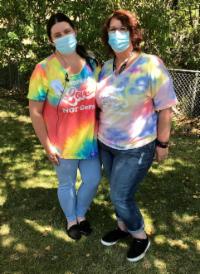
Meet Avenlea Gamble (pictured Left), a second-generation Ensignista who is the Director of Rehabilitation at Northbrook Healthcare Center in Willits, California. Avenlea has been coming to Northbrook since she was three days old, which may sound strange unless you know that her mom, Shawndee Gamble (pictured Right), is the facility administrator there.

This story is about Avenlea, but it is woven tightly with the story of her mother. Shawndee began working at both our Ukiah and Willits locations when she was 17 years old, first as a CNA, then in medical records, and then as an activities director. Avenlea would help out with bingo and one-on-one activities with the residents and developed a lasting love for the long-term care setting. Shawndee later entered the AIT program and has been the facility administrator at Northbrook for 13 years.

Avenlea began her healthcare career at 16 when she became a care partner for Northbrook residents under the Department of Social Services. She also served as a dietary aide, helped with HR, and basically filled in on any odd job that was needed. She loved helping her small, tight-knit community. Willits has a population of approximately 5,000, so Avenlea cared for many of her friend’s parents and grandparents over the years.

Avenlea loved growing up in a small town, and her graduating high school class had only 18 students! She knew from early on that she wanted a career in therapy and wanted to return to Willits to help alleviate the ongoing shortage of qualified medical professionals there. She ultimately chose speech therapy because it allowed her to support communication and give people a voice.

The University of Pacific is where Avenlea obtained her undergraduate and graduate degrees in Speech Language Pathology, and also where she met her now husband, Jan. An interesting fact is that UOP had the same number of students as the entire town of Willits. Despite the crowd, Avenlea loved her experience there and had great clinical exposure with patients beginning in her junior year.
Jan took Avenlea’s last name when they married since the family history meant so much to her (and she is the namesake for her family). Jan is an opera singer as well as an audiologist and works in a clinic in Santa Rosa. He has a passion for music but also for science, so audiology was a perfect combination of the two. You can find his music and online choir on YouTube. Avenlea says their home is filled with a variety of instruments and full of music most of the time. Her two cats, Belle and Jasper, are happy residents and can be found enjoying a view of the beautiful foothills through a sunny picture window in the Gambles’ house.

After graduating with her Master’s Degree in Speech Language Pathology, Avenlea worked in an acute care hospital setting in Stockton to complete her clinical fellowship year and earn her CCCs. It wasn’t long before a speech therapist position became available back home and she convinced Jan to join her in moving back.

Let’s Keep Doing the Important Work

By Cara Koepsel, M.S., CCC-SLP, DOR, Golden Acres Health and Rehabilitation, Dallas, TX

Here at Golden Acres in Dallas, Texas, we love our long-term care residents. They are the heart and soul of our facility, and we wouldn’t have it any other way. One of our residents passed away recently, and it never gets easier. The family reached out to myself, the DOR, and the social worker in hopes of getting a copy of her grandmother’s life storyboard that was created during therapy with one of our amazing speech therapists. Her granddaughter wanted to utilize this resident’s life storyboard to aid in writing her obituary. To think that the Abilities Care Approach Program could, in such a trying and upsetting time, bring joy and meaning to a grieving family is truly amazing.
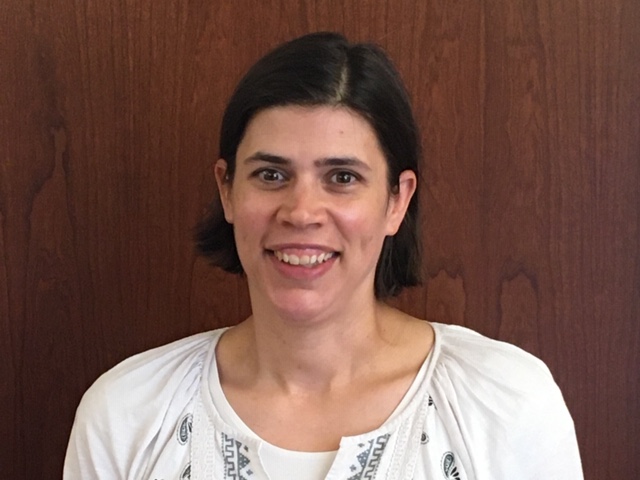
What an important program this is, and what a reminder that what we are doing in therapy every day matters maybe more than it ever has before. The Abilities Care Approach Program is a program widely utilized across our Ensign facilities that is evidenced-based, and essentially allows the therapists to work with family members and residents to develop a life storyboard that paints a picture of our residents’ likes, dislikes, family history, and abilities they have within their communication and self-care activities through their changing stages of dementia.

For our family members to be involved in their loved one’s care through the stages of dementia is so important, especially right now as they cannot see their loved ones as they are used to. Our therapists, through this program, can work with our families to give them peace of mind that during a pandemic, their loved ones are being loved and cared for so well. Our long-term care programming continues to be so important right now! Let’s remind ourselves that we continue to make a huge difference in our residents’ lives!

A Home Run to a Strong Partnership Created with Utilization of Grand Rounds and Stop & Watch Tool

By Jon Anderson, PT, Senior Therapy Resource

The pandemic has changed so many things in our daily rituals, and at Legend New Braunfels the facility quickly found itself with less referrals, resulting in decreased skilled and overall census. The facility is known in this quaint community for its fast-paced rehabilitation program and more recently unique treatment approaches surrounding memory care. In an effort to collaborate and ensure patients in the facility avoid the hospital, the facility implemented the Stop and Watch tool along with Grand IDT Rounds.

The Stop and Watch tool allows any employee to document a change in a patient, providing a direct line of communication to the nursing team for further assessment. Bob Said, RN, DNS reports that initially this was looked at as perhaps creating more work for the nursing team, and there were questions surrounding whether a non-nurse would be able to utilize the tool effectively and appropriately. However, it has been quite the opposite. The nursing team provided training to all clinical staff, including the therapy department, on how this tool can be used to effectively capture an early change in condition.

Over time, the recidivism rate was impacted, which created less work for the nursing team. Bob was quick to point out to the team of nurses he supports how much time was saved by having to do fewer orders and assessments as part of the discharge/readmission process, while keeping the patient happy, healthy and out of the hospital by identifying these subtle changes. Jayna Owens, SLP, DOR for New Braunfels, agrees that this strong collaborative clinical approach has led to breaking down silos: “By leading in a way that it’s OK to step on each other’s toes, and even encouraging to do so, we are able to partner early and address clinical issues rather quickly.”

Both Jayna and Bob, along with Amber Thompson, PTA, LNHA, have also shared the importance of doing daily grand clinical rounds on every patient in the facility. Bob reports, “At first it’s a huge undertaking and can quickly eat up your day. Our first grand round took three hours to complete, and you question if this is efficient. But like anything new, you create a process, and over time it becomes faster. We now have it down to about 1.5 hours.”

Jayna and Bob both agreed that the time spent upfront at the start of the day has paid off, we now actually have more time later in the day because we already addressed the majority of the clinical issues in the morning. “You have a better understanding of all the patients,” says Bob. “You know the care plans are being followed because you look at it daily, and whether we knew it or not, we were elevated in the eyes of the front line staff because they see you on the floor daily in every resident’s room. No one’s left behind.” Amber, Jayna and Bob all agreed that these two new things are here to stay, even after the pandemic. ”We have really been pushed as leaders, and this has allowed us to better support the ladies and gentleman, along with creating more open lines of communication with the staff.”

Therapist Profile - Rebecca Hopkins, OT, Paramount Health & Rehabilitation

One of the newest members of our therapy team here at Paramount is Rebecca “Becky” Hopkins, OT. Becky comes to Paramount with a unique perspective as a clinician and a unique skill set. Becky was previously involved in a motor vehicle accident that resulted in months of difficult rehabilitation. She has sacrificed and worked very hard to get to where she is today. Many things that Becky requires of her patients, she herself has lived through. This has allowed each patient to trust her and form a special bond. Becky has a unique understanding of the difficulties and hardships involved in rehabilitation, both continence in personal dignity and quality of life. Overcoming incontinence has become a passion and focus for her in her Occupational Therapy career.
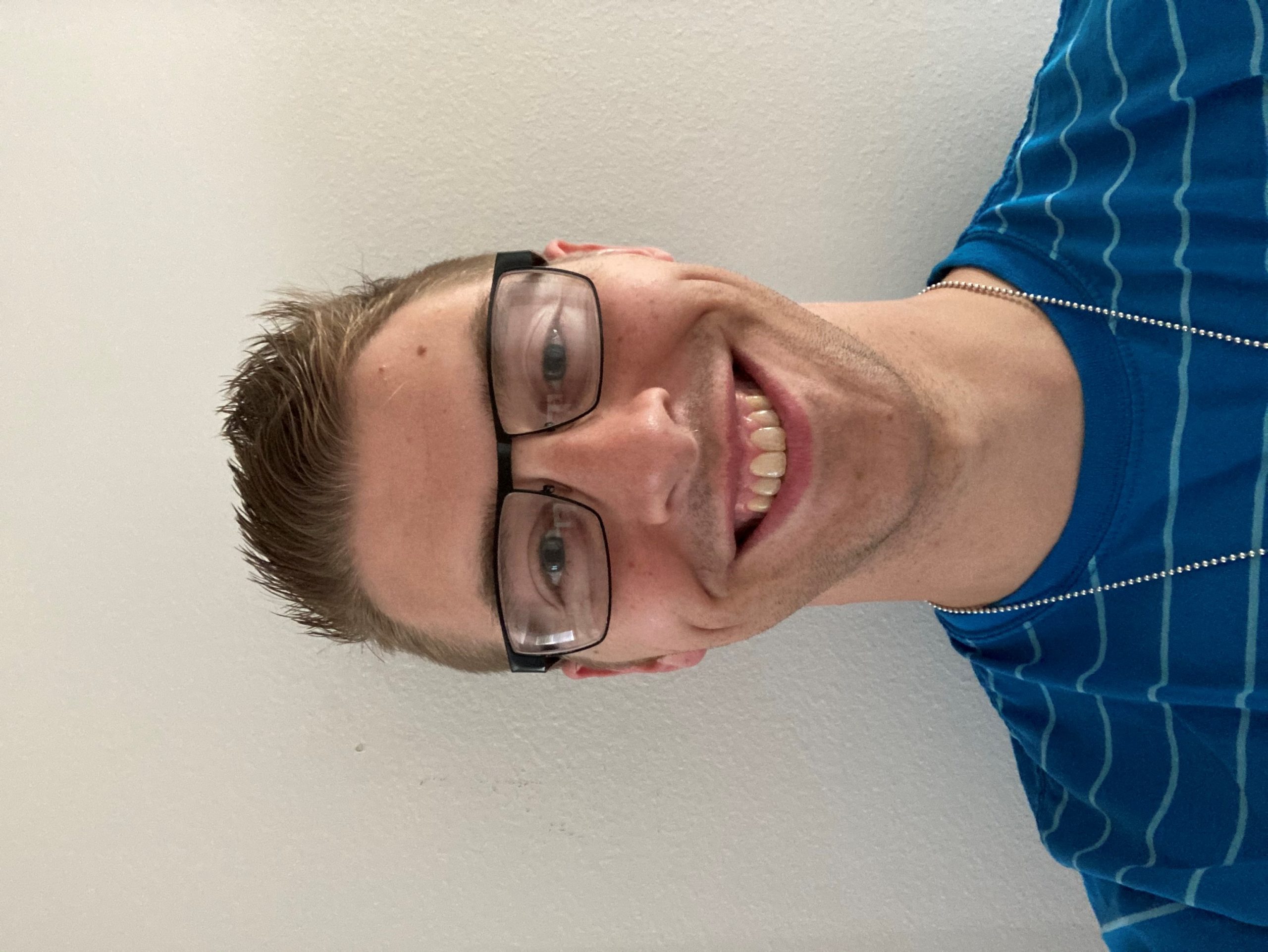
In the pursuit of that lofty goal, Becky has established an incontinence program, together with Gia Deeb her COTA, here at Paramount. Becky has lobbied for specific equipment, namely an ACP electrical stimulation unit that aids in reducing tone and spasticity along with eliciting muscle activity and control. This is done through a proprietary protocol called “PENS”. Becky has put together case studies to show its effectiveness prior to our facility purchasing the equipment. She has educated therapy staff on specific pelvic floor protocols to work on in combination with the e-stim modality.

In the short time of initiating this program, Becky has had remarkable results. Patients that were once incontinent of bowel and bladder are now either continent of both bowel and bladder or have demonstrated significant improvement. We are seeing a decrease in the use of supplies such as briefs and wipes. We are seeing the quality of life significantly increase with many of our residents as well as seeing a positive financial impact for our building through this program. As the word circulates of residents’ progress, Becky will often hear requests to come and work with them and bring her “black box.”

Therapist Profile – Matthew Wayne, PTA

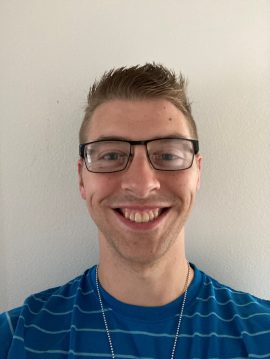
Meet Matthew Wayne, our newest therapy leader in Idaho! He will be joining our Bennett Hills team in Gooding, ID, next month and brings with him several years of experience as a PTA in three of our Pennant operations.
A graduate of Idaho State with degrees in Physical Therapy Assistant and Health Science, Matt is looking forward to expanding his leadership experiences. He was inspired to pursue a career in physical therapy when he had the opportunity to shadow several brilliant PTs through a career exploration class in high school. Prior to that, he possessed a passion for helping people through personal training, and combining this training with his new knowledge of physical therapy shaped how he wanted to interact with people and their health through therapy.

Matt looks for positivity in his colleagues and practices that quality in his own profession. “I figure if I try my best in all things and give encouragement to others to do their best, then I have given all that is possible. It feels so much easier to make advancements in challenging circumstances when we have strong support and have positive words spoken around us and our situation.” He believes in building strong relationships with nursing and other facility departments through communication, collaboration, respect and having a lighthearted attitude. Matt is inspired in leadership by numerous colleagues and friends and most especially his wife, whom he says inspires him every day. At his core, Matt carries the biggest lesson learned from his parents: “To think decisions through, pray about them and follow peace. Most important decisions shouldn’t rush you to make them,” he explains.

When not working, Matt is busy enjoying the outdoors, both land and water, in beautiful Idaho. He is an avid exerciser and also enjoys traveling to new places with his wife, target shooting, reading, and going to auto/truck performance exhibitions. Like many of us, he also spends much of his off-work time improving his home and yard. Demonstrating his diversity in interests, Matt’s favorite movies include It’s a Wonderful Life, The Fast and The Furious, and The Greatest Showman.

Matt loves all of our core values but if asked to pick his favorite (at the moment), it is Passion for Learning because our organization has given him so many learning opportunities in the past two years.

We are looking forward to working with another strong Pennant leader in Idaho and can’t wait to see what great things are in store for Bennett Hills!

Introducing Our New Southland I-tool Collection

By Carlos Pineda, DOR, Southland Care Center, Norwalk, CA

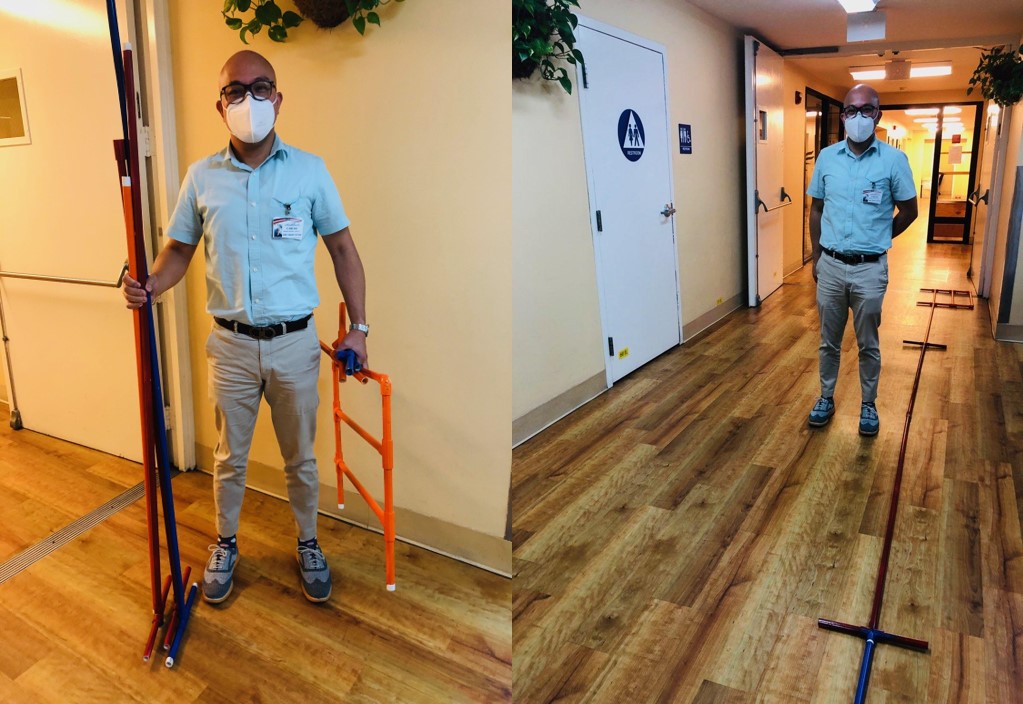
The I-tool is the first “6th vital sign 3-in-1 tool.” Due to the ongoing pandemic, which requires social distancing and isolation, our goal was to bring the evidence-based practice into the patient’s room. Validated standardized tests can be utilized as part of the treatment strategy at the same time. The 3-in-1 tool covers the full spectrum of the patient’s functional skills from low functioning to high. It can be utilized to conduct three standardized tests:

1. The “seated step test,” a low-level aerobic test for frail individuals or those who cannot stand or walk
2. The “2-minute step test,” an assessment of aerobic capacity for those who have concern with walking space
3. “Gait Speed,” or the 6th vital sign, which predicts the patient’s health status including hospitalization, functional decline and even the discharge location

The tool is made of PVC pipes that are carefully measured and fitted to allow for quick assembly and disassembly. The kit’s quick setup process support productivity and encourages therapists to consistently integrate standardized tests. Each part is color-coded, which can be completed in 30-40 seconds.

The attached photos show all of the following pieces.
Needed supplies (all under $50)
4 – PVC pipes ½ x 10
4 – Cross PVC ½
8 – PVC tee ½
1- PVC coupling ½
2- PVC elbows ½
1 – container of PVC glue
3 – different spray paint colors

Now that you have seen the photos and supply list, are you intrigued as to how this all works? The team at Southland put together a live video on how to assemble and use the tool. Contact Carlos Pineda (capineda@ensignservices.net) for more information.

Building LTC Programs at Legend Oaks Fort Worth

By Kari Rhodes, MS, CCC-SLP, Therapy Resource/DOR, Legend Oaks Health & Rehabilitation, Fort Worth, TX

We have a new and more comprehensive understanding of how we can truly “dignify long-term care” by taking care of the residents that live in our facility. We decided to question some old patterns and beliefs that were preventing us from truly delivering the best possible therapy services to our long-term residents — our extended family.

The change did not happen overnight, but with education and support of our resources, our therapists began to truly understand the extraordinary differences they could make in the lives of residents by addressing many basic needs. We started looking at quality of life rather than waiting for a fall or a decline. We began education on programs including Percutaneous Tibial Neuromodulation (PTNM) for urinary incontinence and Abilities Care for dementia, and although we were improving quality of life, we were still missing something. We were discharging our residents to restorative, but they were still showing declines after therapy ended. How could we make a more permanent impact on their lives?

One of the things I love most about Ensign is the way we work together to make each other better. While attending a Keystone therapy resource meeting, I began hearing more and more about skilled maintenance programming. A light bulb went off in my head. This is what we had been missing! I invited Tiffany Bishop from Keystone North to provide an in-service to my market. She came to Fort Worth and provided the education we needed to implement skilled maintenance programming in Fort Worth. As a team, we were energized! We saw a wonderful way to continue providing quality of life services and keeping our ladies and gentlemen from declining. It was a win-win situation! We added staff to meet these needs. Residents were happier because they were not declining! As therapists, we were relieved to be able to continue providing services to those who needed it the most!

To me, this is one of the ways in which it is easy to see that when you provide as much loving care as you possibly can to these ladies and gentlemen who deserve the best possible quality of life, in ways that may involve thinking outside of the box, the rewards are extraordinary! Our fresh ideas and programming has truly been a game changer for our residents. They are thriving now more than ever!

Our Virtual Student Program Is Up and Running

Submitted by Kai Williams, Therapy Resource, Keystone East, TX
By late March, therapy students across the United States were dismissed from their onsite clinical affiliations. The wave of COVID-19 created an unprecedented level of displacement for so many therapy students, especially those in the SNF setting. One can only imagine the feeling of despair felt by those who needed just two more weeks to fulfil their affiliation requirements to graduate.

Intelligent risk taking remains one of my favorite core values because it is through that core value that progressive ideas are imagined and crafted into programs that transcend into the next level of care. It was through unified brainstorming that the Virtual Student Program was imagined. After several weeks of discussion with our University partner, we drafted a proposal to the Commission on Accreditation in Physical Therapy Education (CAPTE). We successfully received approval to provide a two‐week/80‐hour virtual clinical learning program to 10 students who were dismissed from their clinical site secondary to the COVID‐19 pandemic. We have officially become the first SNF organization to offer this level of experience to therapy students. These 10 students who participated joined us virtually from a variety of states across the U.S. Many of them had no experience within a SNF setting and during their exit interviews stated how overwhelmingly surprised they were about the depth of exposure they received. We will never aim to dismiss the benefits of onsite instruction, but with the supplement of a virtual clinical experience, you can alleviate some of the onboarding constraints many clinical instructors and students face. This also allows the student to build on their level of confidence and readiness in our care setting. Their level of preparation is enhanced, thus giving them a stronger shot to hit the ground running upon their arrival.

So what does the virtual student experience look like? The virtual program is structured with an interdisciplinary education format designed for student occupational therapists, student physical therapists, and student speech and language pathologists. The virtual program included 55 live instruction hours (labor) provided by over 20 clinicians (PT, OT, ST,). Our objectives spanned the topics of memory care, cardiac care, documentation training, and leadership skills in management, Parkinson ’s disease, and live interactive telehealth sessions with a patient, just to name a few. Additionally, the students gained access to our learning management system (LMS), “Ensign University,” where the students were assigned 17 additional courses to support/facilitate their learning. The interactive courses included learning checkpoints and a final test at the end of each module. The students also had a dedicated PT Clinical Instructor to connect with to offer guidance/feedback.

What’s next? Our hope is to host our second cohort of students, which will include both PT and OT. With the support of our University partners along with our affiliated facilities, we would love to create an “enhanced” student standard that would improve the value of our overall student program. Each student would complete a two-week virtual experience prior to beginning onsite at a facility, in accordance with the National Nursing Home Reopening plan.

Documenting Justification of Skilled Therapy Services, Part 1

By Lisa Harvey, M.S./CCC-SLP, Documentation Review Resource
Of the many exciting and challenging things our therapy teams look forward to doing every day, it is probably safe to assume documentation is not at the top of anybody’s list! Yet, in spite of the wonderful work that is done in our gyms, patients’ rooms and hallways — what we choose to document about those services may result in a denial of payment for your facility down the road.

Some of the most common reasons for claim denials include:

  • Ongoing services did not meet the requirements of medical necessity and reasonableness per Medicare criteria.
  • Documentation did not support the requirement that services shall be of such a level of complexity and sophistication or the condition of the patient shall be of such that services required can only be safely and effectively performed only by a therapist.
  • By (Date) the PT and OT plans of care did not document any significant changes or interventions that were needed or could only be done by or under the supervision of a licensed rehabilitation therapist.

The best defense for these types of denials is a good offense. We must proactively document the medical necessity and skilled interventions provided by our therapy staff.

Although a patient’s medical diagnosis or recent surgical intervention may play a strong role in determining whether skilled intervention is needed, it cannot be the only factor supporting medical necessity.

POC Justification Opportunities:

  • Reason for Referral should make it clear why treating discipline is involved.
    o Sub-optimal: “Physician Order.” “Routine admission evaluation.” “New admit.”
    o Optimal: “Pt. referred by nursing due to increasing weakness noted with recent falls in the patient’s room.” “Pt. referred to PT by physician due to new onset of weakness and reduced activity tolerance with increased assistance needed from caregivers for bed mobility, transfers and gait.” “Pt. referred to ST due to increased episodes of confusion with decreased memory for safety precautions while completing ADLs.”
  • PLOF should be a detailed summary of performance levels of the patient prior to becoming ill and should tie to functional areas addressed in both short-term goals and long-term goals.
  • Clinical Impression should specify areas where deficits were noted on assessment.
  • Reason for Skilled Services based on identified deficits (Clinical Impression) what specific interventions are needed that can only be provided by a therapist? What will happen if skilled interventions are not provided?
    o Sub-optimal: “Pt. would benefit from skilled occupational therapy to improve activity tolerance and strength.”
    o Optimal: “Skilled OT treatment interventions to include instructing and training patient in energy conservation techniques, positioning maneuvers, proper body mechanics, safe transfer techniques, safety precautions and use of assistive device(s) in order to facilitate safe return home alone.”

UPOC Justification Opportunities:
Continued Skill should describe the reason why therapy services need to continue based on the patient’s response to treatment. If the patient is progressing towards their goals, this case can be easily made as progress made before is the best prognostic indicator of more progress to come.

However, if patient is not progressing, this can be more difficult to document and the therapist must modify goals and/or approaches with the expectation that the patient will respond to those changes in the Updated Plan of Care. Sometimes new areas of focus arise during the course of treatment and those new areas are incorporated into the UPOC. These are all examples of why the skills of a therapist are needed to adapt and adjust the therapy plan.

Stay tuned for our next FlagPost when we’ll review how to make the best justification in a progress note and a TEN. We know you can’t wait!