Surviving a Transition Through Use of the Energy Bus
By Jennifer Ybarra, OT, DOR, McAllen Transitional Center, McAllen, Texas
Last year brought on many changes for me and my team at McAllen Transitional Care Center. We were a part of the huge Legend acquisition that happened on May 1, 2016, and with that came many new, exciting and challenging times. We got through it with the help, support and guidance of way too many people to name individually, but among those are Maricela Garcia, Jon Anderson and Deb Bielek. Thank you, all!
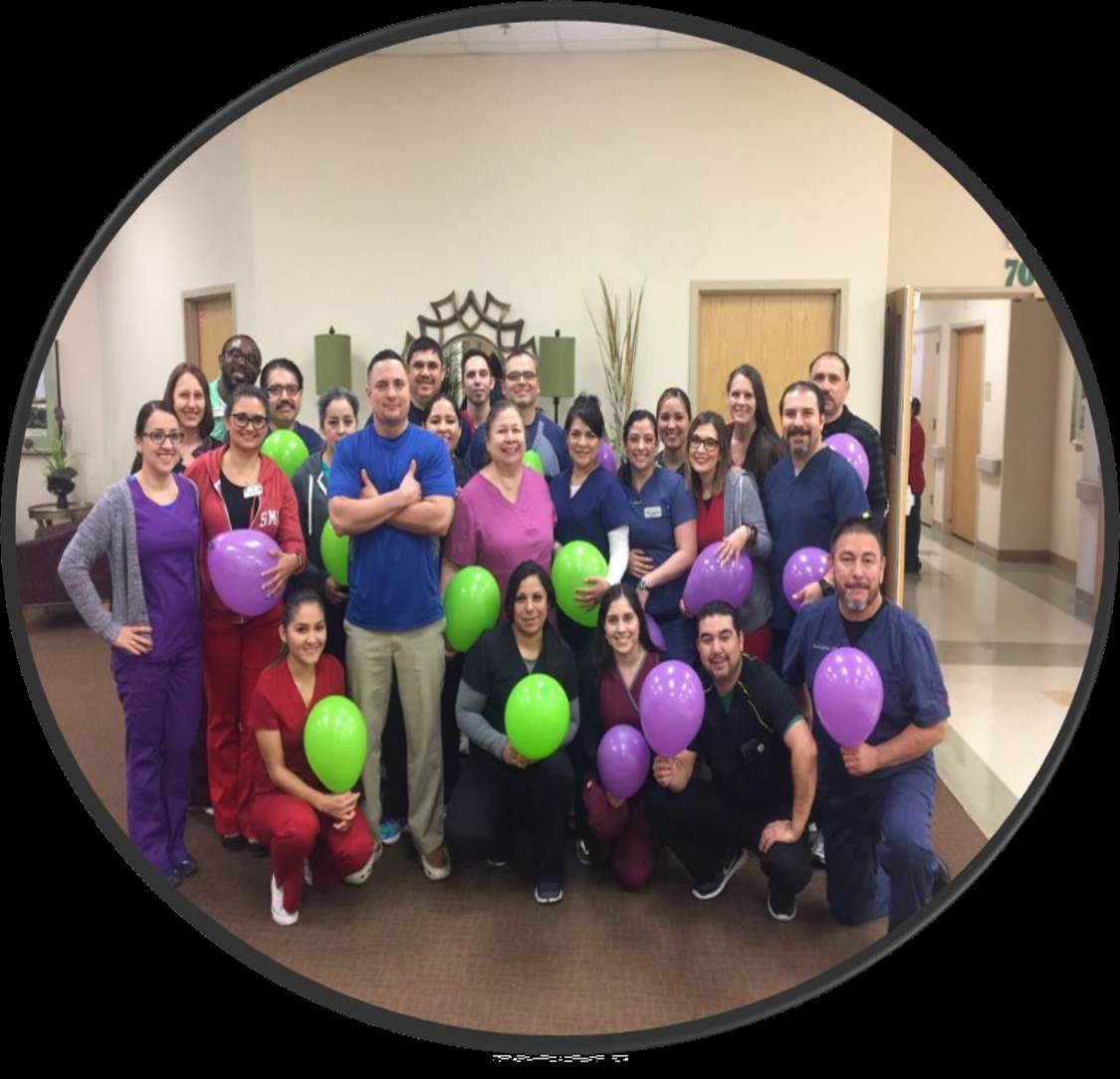
Let’s sprint forward to October 2016. I had been so focused on learning new policies, documentation procedures and compliance standards, as well as tracking new metrics, that I was beginning to feel it was all a bit too robotic and that I was missing the personal connection with my staff, which includes 25 full-time therapy team members.
Thanks to social media, I was introduced to a book by Jon Gordon titled The Energy Bus. Wow! I read it in a day, and I immediately decided to inject positive energy and re-energize myself and my team! But how? We mobilized a plan, and over the next six weeks, I was determined to share my newfound excitement and energy! The following is an overview of the book and of the activities used to get my team on the bus.
You’re Invited to Come on Board!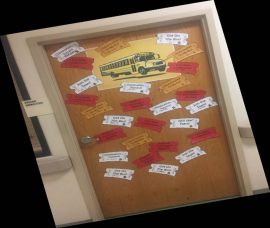
Jon Gordon presents 10 Rules to fuel your life, your work and your team with positive energy, and that’s exactly what these rules did! I started this journey by sharing my vision and goals for our team. I am the driver of my bus! I laid out a roadmap of where we were headed and how they all play a vital role in that plan. I asked my team to also think about their own vision, not only for work, but for their life as well. After all, you can’t get to your destination if you don’t have a vision of where you want to go!
I used The 10 Rules as a guide for our journey. I jumped over Rules #1 to #5 and started with Rule #6.
Rule #6: No Energy Vampires Allowed!
An energy vampire is a person who literally sucks the positive energy out of a person, out of a situation and eventually out of the team. I thought that establishing this concept early on in our journey would set the tone for the rest of our trip.
There are many instances in life in which we feel like we don’t have a choice — such as paying taxes and adhering to work and family schedules. But we can always choose our attitude, and we can always choose our energy.
At the end of our first meeting, we broke up into small groups and had a little friendly competition with prizes awarded to the winning team. Then, I formally invited all my team to join me and climb aboard my bus. Each was handed a bus ticket and was asked to sign it as an acceptance to my invitation. All were returned signed, and everyone was on board my energy bus!
“Being a positive person doesn’t mean you won’t have negative thoughts. The key is not to listen to them. Just keep moving forward.” — JonGordon.com
It’s All About the Energy!
Our journey continued a couple of weeks later, and we all gathered again after lunch over some ice cream and started in with the next rules on the list. We explored the ways that thoughts are powerful and are loaded with energy. There is an energy to thought and we need to mobilize the energy to create the life we want.
Rule #2: Desire, Vision and Focus Move Your Bus in the Right Direction
We’re winners, not whiners! Positive energy will keep moving the bus forward: trust, faith, enthusiasm, purpose, joy and happiness. The positive energy will help inspire and lead others.
Rule #3: Fuel Your Ride with Positive Energy
Remember, where there is a negative charge, there is also a positive charge. Fuel up with positive thoughts! Toss the negative energy. Choose to think positive even in difficult situations. When work is piled sky-high, be thankful you have a job and are healthy enough to work. When family life is hectic, be blessed to have a family. When you’re stuck in traffic, be thankful that you have a car to drive. Choose to be positive.
The team-building activity chosen for this week’s bus ride was my favorite. Every team member was asked to write a positive comment about each of their colleagues. It could be personal or work-related. The sheets were not big enough for all the positivity that was bursting out! We don’t use compliments enough, and it was great to see the team acknowledging each other for great work or for personal attributes.
Let’s Keep Moving Along
The McAllen Transitional Bus was moving along! We wanted to keep moving and spread our message, bringing us to Rule #4.
Rule #4: Invite People on Your Bus and Share Your Vision for the Road Ahead.
The more people we pick up along the way, the more positive energy that we create during the ride. The idea is to share what we have learned and to ask others to join. The worst they can say is no, but if you don’t even ask them, they won’t know to get on board. Negativity is the enemy. Negativity not only kills productivity, but also kills teams, companies and people.
Rule #5: Don’t Waste Your Time on Those That Don’t Want to get on Your Bus
Some will get on and others won’t. If you want to succeed, you need to be careful about who is on your bus. Some people will increase your energy while others will drain it. These Energy Vampires (previously discussed) will suck the life out of you and your goals. They will cause an engine leak, make your ride miserable or, even worse, slash your tires.
You have to be firm enough to say that negativity is not allowed on your bus. You give people a chance to change, and if they don’t get it, then you need to kick them off your bus or they will ruin your ride and the ride of all your passengers as well.
Trust That Great Things Are Happening
For our last meeting, I made a promise to my team: My positive energy and vision will be greater than anyone’s negativity. My certainty must be and will be greater than anyone’s doubt.
Drive your bus with heart. The heart is your power center. It is where contagious, positive leadership and attitude come from.
Rule #7: Enthusiasm Attracts More Passengers and Energizes Them During the Ride
The simple truth is that when you’re excited, people get excited about where your bus is going and that makes them want to get on and stay on your bus.
The most successful teams have enthusiasm. Every team wants it, but very few have it. It starts with you and me. When you have it, everyone else will see it and want it, too.
Rule #8: Love Your Passengers
Love is a process, not a goal. We are all valuable. Let’s help each other find and recognize the value in ourselves. Enthusiasm and positive energy will get people on your bus, but love will keep them on. (Side note: Rule #8 fits nicely in with our Core Values of CAPLICO!)
Rule #9: Drive With Purpose
Purpose is the ultimate fuel for our journey through life. When we drive with purpose, we don’t get tired or bored and our engines don’t burn out. Burnout is something that I think we have all had to deal with at some point, either with our staff or with ourselves.
Drive with purpose today, and cultivate that in our team every day. Everyone stays on the bus when it’s cruising along, but I also need everyone to get off and push when the bus breaks down.
Rule #10: Have Fun and Enjoy the Ride
Simple. Today, the Energy Bus is still moving forward, and it’s filled with positive and energetic passengers. Each one is excited about the future, and are willing to work together to achieve the goals and the vision laid out.
Many other facility staff members have asked and inquired about all the fun that the therapy department seems to have every couple of weeks. I have gifted several books to other members of our McAllen Transitional Team with hopes that they, too, will get on The Energy Bus!
Leave a legacy. Leave a world that has been impacted and touched by your presence, your joy and your positive actions.


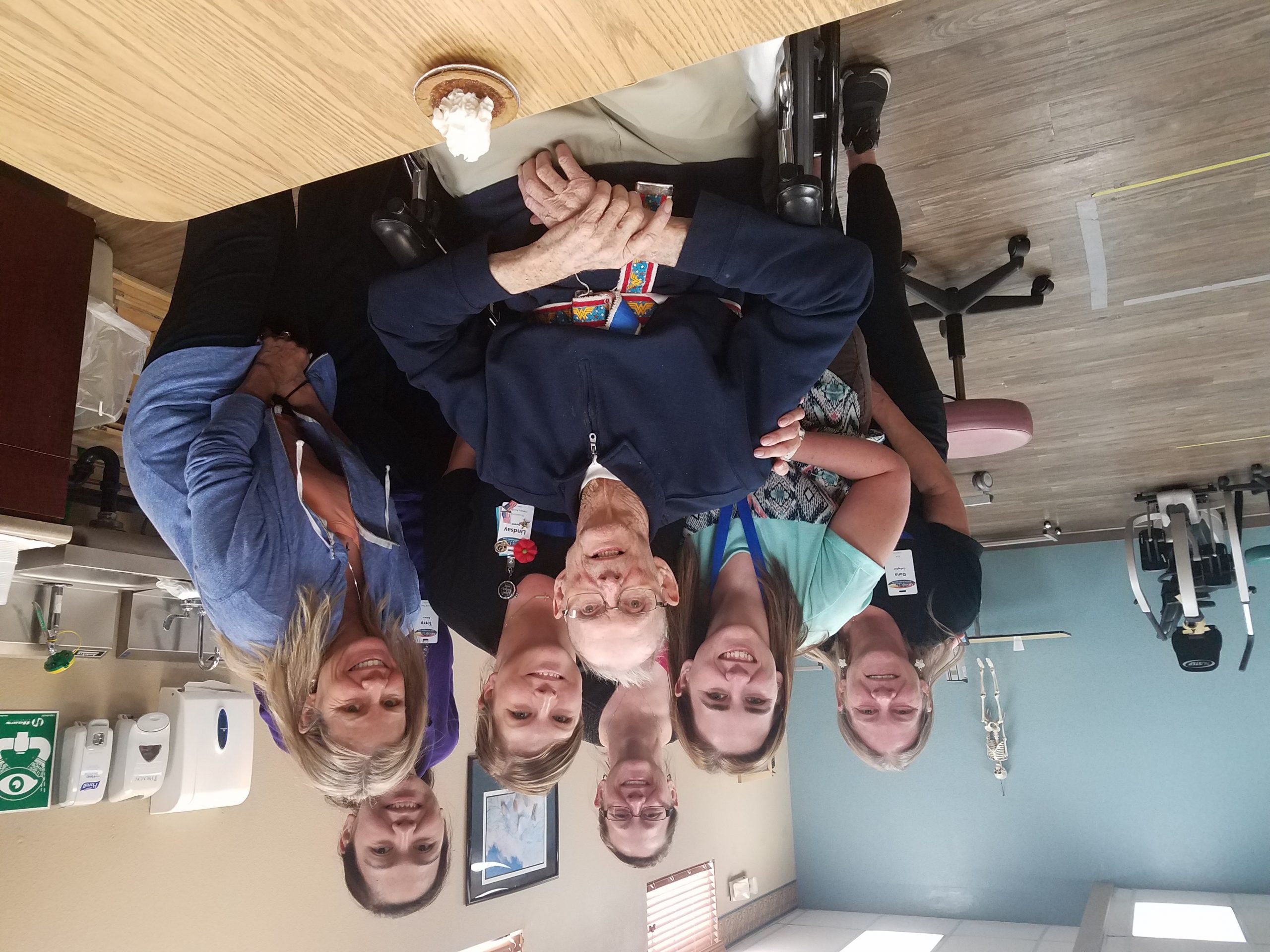
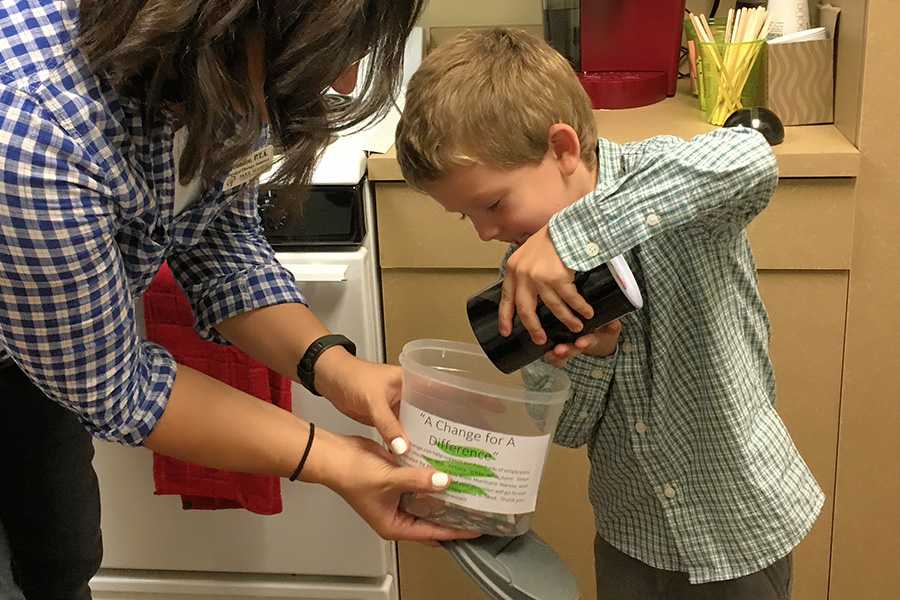 Park Manor raised over $3,500 for the EEF (Ensign Emergency Fund) to help those affected by Hurricane Harvey. The son of a PTA brought his piggy bank to pour into the EEF collection jar that was eventually filled with $240 in loose change!
 Park Manor Therapy Team was represented in the Walk to End Alzheimer’s. Lots of bright colors and smiles to share!
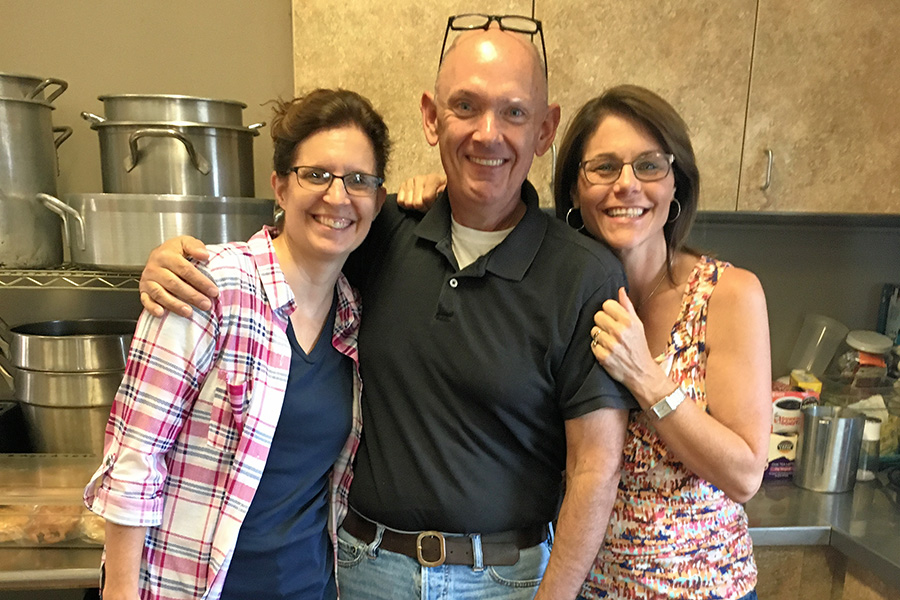 Preparing a meal with the Park Manor team at the Christian Aide Center. PT and ST and her family helped with the cooking and OT and his family helped with the serving along with other Park Manor staff.
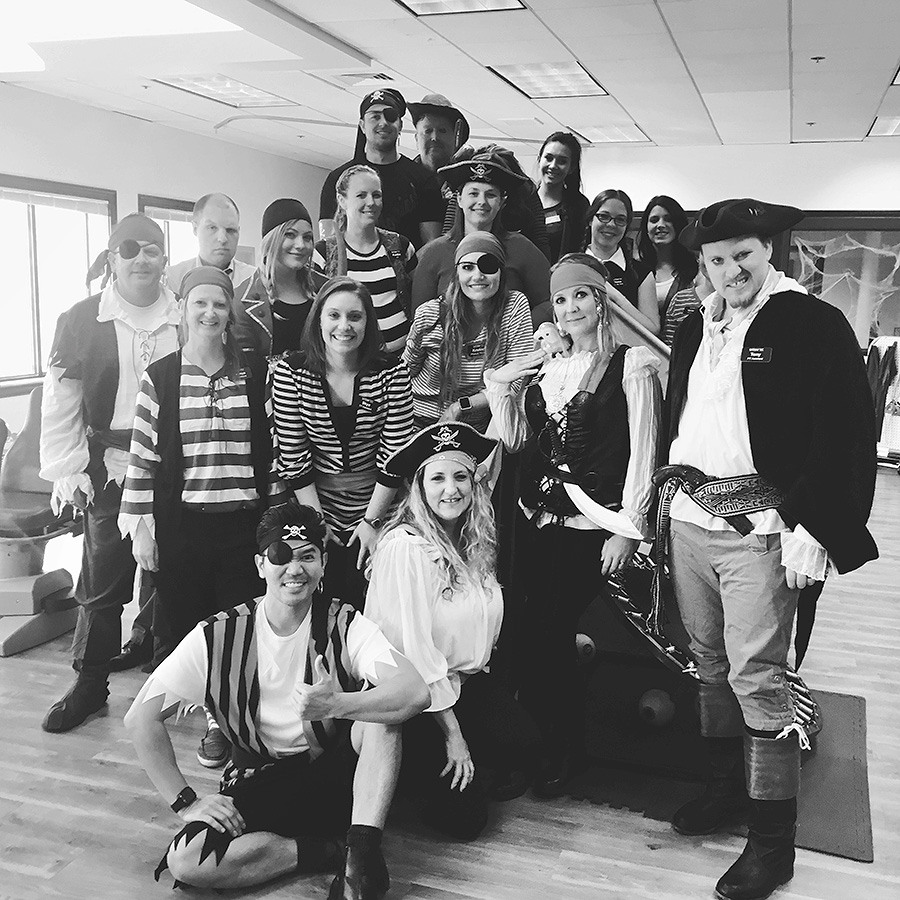
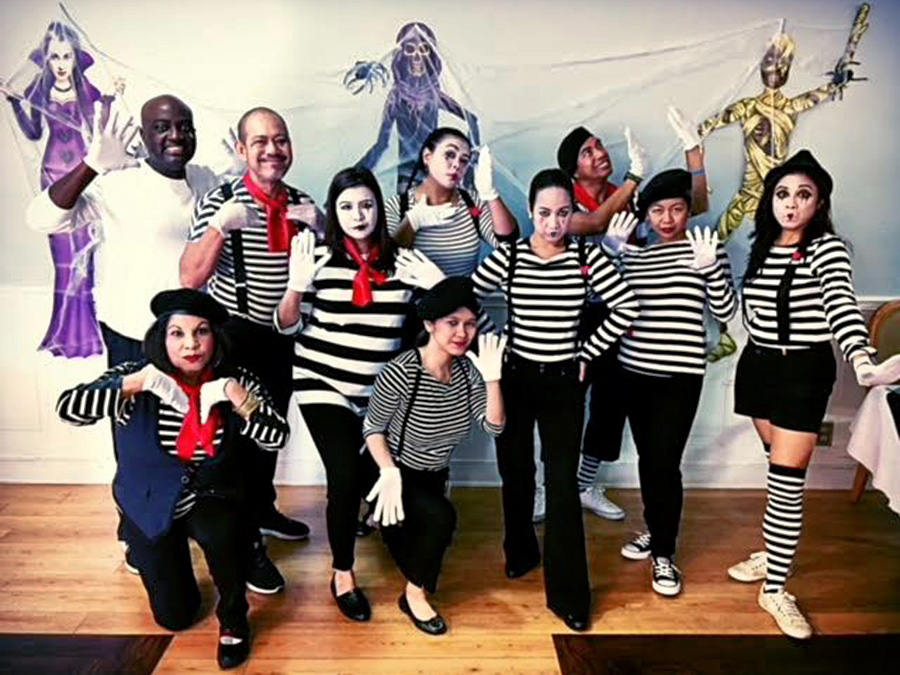

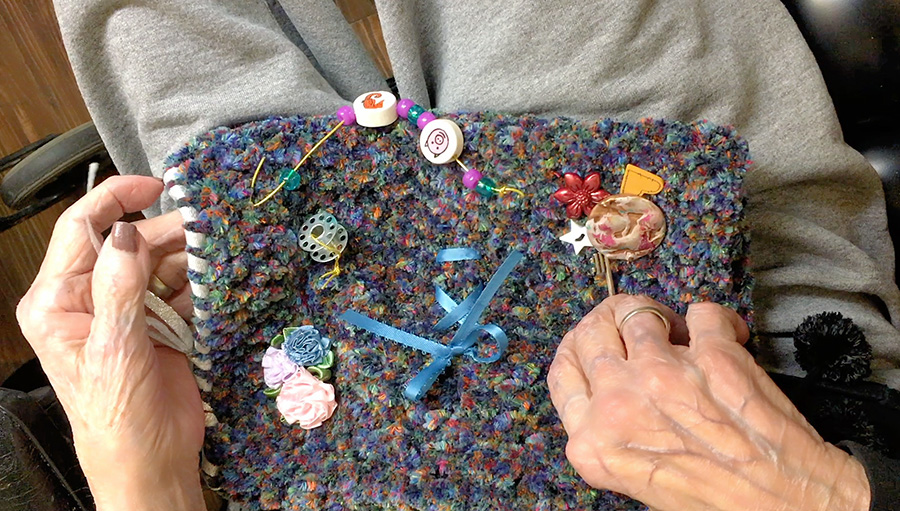
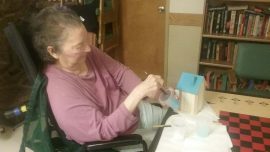 Using the Life History and Profile, OT was able to identify purposeful and meaningful activities the resident enjoyed, including: