Clinisign Q&A With Dr. Hani Bashandy

Clinisign Dr Hani Bashandy
 
At Victoria Healthcare Costa Mesa, we conducted a Q&A with one of our doctors, Dr. Hani Bashandy, about our newest Optima product, called Clinisign. Victoria Healthcare is one of the pilot facilities of Clinisign. So far, we have signed up three doctors to this program. Dr. Bashandy has been a huge supporter of Clinisign, and he was kind enough to share his thoughts about the product. Below is the interview.

What are the differences between the hospital and a SNF setting in terms of documentation?

It is very different in a hospital setting. Everything in the hospital setting is computerized. We do everything on the computer. Documentation is immediate. We sign our documents immediately from the computer.

In the SNF setting, all documentation are hand-written. We always have way too many papers to sign that I just discovered lately when I started following my patients from the hospital.

What are the usual challenges you have when you go to a SNF regarding signing rehab documents?

The biggest challenge I have is trying to find them exactly where they are in the chart. It takes a lot of time browsing through the chart and looking for them. I make sure that I know what my patient’s progress is since I base my decisions off what I see on therapy documents when I need to discharge them or keep them in the facility.

When did you hear about Clinisign?

It was introduced to me by Victoria Healthcare through the Director of Rehab.

How long have you been using Clinisign?

I’ve been using it since October 2016.

How has Clinisign helped you enhance your practice as a physician who follows patients in a SNF setting?

Clinisign definitely makes it easy for me to look and check the rehab documents quickly and sign them in real time. It also gives me flexibility as to when and where I can check the documents. I can check it anywhere and anytime. I can also sign the documents where I don’t have to be present in the facility. This definitely saves me time.

Are there any suggestions that you can give to enhance and improve your experience using Clinisign and Electronic Rehab Documentation?

One suggestion that I would like to make is for the system to generate a summary of the patient’s progress on a day-to-day basis that would be sent to me through emails or texts. This will help me work more efficiently and at the same time provide me information that would be useful to update when I talk to my patients and their families on how they are doing with therapy.

Submitted by Franco Estacio, DOR, Victoria Healthcare, Costa Mesa, CA

Simplified Rehab Approach for Clinically Complex Patients

Simplified Rehab Approach
The health industry has grown through the years, with advances in technology to assist in diagnostic testing, less invasive surgical procedures that cut down hospital or nursing home stays for a patient’s recovery, and evidenced-based practice that assists medical professionals and clinicians in meeting the needs of patients. The promotion of health and wellness within companies and even with public exposure and social media has been a positive tool in improving health.

On the other side of the coin, we also have seen or been exposed to patients who, aside from a broken hip or a replaced joint, present to us with other co-morbidities that make it more challenging to establish a therapeutic recovery program for them to transition to a lower level of care. For clinically complex patients, we as clinicians are faced with a daunting task to assist these patients with our skills and translate it into our documentation to limit the risk of reviews and audits.

By definition, clinically complex patients:

  • Have multiple co-morbidities compromising the patient’s functional performance associated with low activity tolerance and lack of motivation to participate
  • Require nursing and rehabilitative interventions to address an exacerbation and /or remission of a condition
  • Have respiratory, cardiovascular, metabolic and infection issues

The first step in a successful clinical intervention is using our diagnostic and assessment skills. This requires us to go back to the basics and make sure we are assessing vital signs, including blood pressure (BP); heart rate (HR); saturation of peripheral oxygen (SpO2); respiratory rate (RR); temperature; pain (now considered the fifth vital sign); and gait speed (now considered the sixth vital sign). As therapists, we assess these vital signs and make clinical decisions on how to proceed with intervention based on the results.

The next important area of assessment with this population is understanding lab values and how those results impact care decisions. For example, hemoglobin:

  • Clotting time: INR
  • Plasma Glucose — watch for S/Sx of hypo and hyperglycemia
  • O2 Sat – < 88% will require supplemental O2

Here is a link for a great reference to assist with understanding lab values:

http://c.ymcdn.com/sites/www.acutept.org/resource/resmgr/imported/labvalues.pdf

We also need to make sure we have a good understanding of pharmacology as it relates to our patients. As therapists, we all know that prescribing medications, whether over the counter or herbal, is not part of our practice act. We must have the understanding that each medication taken by our residents can affect different organ systems, in turn affecting functional mobility and performance. A common medication that we have all encountered are beta blockers, which are prescribed to reduce stress or force exerted by a compromised heart. Checking the BP and HR using traditional means may not be as accurate as conducting an actual “stress test,” which most of our facilities do not have. Incorporating alternative means (Borg’s RPE) then will be very important for accuracy and consistency when implementing an exercise program or a functional task.

Consider obtaining the Drug Guide for Rehab Professionals by Charles Ciccone (this also can be purchased as an app for $39.99):

http://www.fadavis.com/product/physical-therapy-dg-rehabilitation-professionals-ciccone

Now we can start assessing physical functioning. We have to remember that many of these patients are not even able to get out of bed, so we need to start with basics here, too. This includes how we get our patients to transition from supine to sitting to standing and reverse. Some assessments to consider include:

  • Grip strength: Reduced hand grip strength is associated with increased frailty, mortality and morbidity (Chung et al., 2015)
  • Chair step test
  • Modified functional reach (done sitting)
  • Functional reach (done standing)
  • mCTSIB (Modified Clinical Test of Sensory Interaction and Balance)
  • Two-minute step test/chair step test
  • AMPAC (Activity Measure for Post-Acute Care)

Some helpful tools to include in your departments would be:

  • Sphygmomanometer (do not rely on wrist monitors)
  • Stethoscope
  • Stopwatch (do not depend on your cellphones because you can miss out of the visual assessment of your patients; every second counts
  • Tape measure or measuring stick
  • Dynamometer (this is a good investment)

Remember, if a test has to be modified, document what was modified/completed. As the patient progresses and the parameters are met, then it can assist in justifying the clinical services provided. For example: If a patient cannot complete sit<>stand from a 17-inch chair but can do it from 19 inches, document: Two reps completed for 30-second chair rise test from a 19-inch seat height.

By John Patrick Diaz, PT, DPT, CEEAA, RAC-CT, Director of Rehab, Parkside Rehabilitation Center, El Cajon, CA

Neuro Gym Sit to Stand Trainer

Sit to Stand Trainer
One of the best pieces of equipment that has changed our facility is the Neurogym Sit to Stand Trainer. We purchased this piece of equipment last December from a Canadian vendor that presented at last year’s DOR meeting, and I highly recommend this trainer to all of our facilities.

http://neurogymtech.com/products/sit-to-stand-trainer/
 

We have had multiple residents who were total assist with bed mobility, transfers and just standing due to prolonged immobilization in the ICU. The first few treatments, the residents would be Max A x 2 for sitting balance, having had other complications that go along with immobility (hypotension, desaturation and poor O2 perfusion, diaphoresis, and muscle atrophy) from being supine in the ICU for weeks. The following example is one of many success stories we have had from the Neurogym Sit to Stand Trainer.

One resident who was completely independent with all ADLs, living by herself in a mobile home with five steps to enter, was admitted to a hospital with respiratory failure, a collapsed lung and CHF exacerbation. When she came to our facility, she could barely roll in the bed or move her extremely swollen legs and had poor sitting balance. This was one of our first residents to try the mobile Neurogym Sit to Stand Trainer, as the resident had a myriad of complications including C-diff that prevented her from coming out of the gym.

Our rehab team wheeled the Neurogym Sit to Stand Trainer to the resident’s room and sat her up on the edge of the bed Max/total A x 2. The therapist set the Neurogym counterweight to 50 pounds to help offset her weight secondary to her morbid obesity, extreme weakness and O2 dependency from being just weaned off a three-week ventilator stint.

I remember telling the resident on the evaluation, “You need to remember how hard this feels and how taxing just sitting on the edge of the bed is to your body, because in a month you are going to walk out of this building.”

She looked at me in extreme disbelief as the sweat was dripping down the front of her face just sitting on the edge of the bed and said, “I hope you are right.”

The first week, we focused on increasing her standing balance time and decreasing the counterweight from the Neurogym. After eight days, she was able to pull herself up to stand in the Neurogym without any counterweight assistance. At day 12, she was able to take 10 steps harnessed in the Neurogym. At day 17, she was able to pull herself to stand with a FWW and walk 15 feet on 3L O2 nasal cannula.

A little over three weeks from the day of evaluation, the resident was able to get herself dressed UB/LB at a SBA and walked with a FWW 175 feet with good reciprocal gait pattern on 3L O2 in a timely manner (appropriate for someone who was just decannulated from three weeks in the ICU doing PROM exercises). At around one month, the resident was discharged out of the facility to an ILF using her FWW.

This one example is a true testament to the desire for the patient to improve; the tenacity and encouragement by the rehab therapists to improve the resident’s overall functional level to leave the facility; and finally the MD, nursing and other ancillary staff members to administer medication and breathing treatments in a timely manner for optimal success.

By Jeremy Nelson, PT, DPT, Director of Rehab, Carmel Mountain Healthcare & Rehabilitation

Coding CPT 97532 (Cognitive Skills Development)

CPT 97532 Cognitive Skills Development
It is important to understand the various CPT codes we utilize when reporting the services provided to our patients. One particular code, 97532, has specific parameters to consider before logging this code.

The Definition: This activity focuses on cognitive skills development to improve attention, memory and problem-solving, with direct one-on-one patient contact by the qualified professional, each 15 minutes.

  • This intervention would not be appropriate for patients with chronic progressive brain conditions without the potential for improvement or restoration. Therapy performed repetitively to maintain a level of function is not eligible for reimbursement.
  • Cognitive skills are an important component of many tasks, and the techniques used to improve cognitive functioning are integral to the broader impairment being addressed. Cognitive therapy techniques are most often covered as components of other therapeutic procedures, and typically would not be separately reported.
  • For any services related to the development of maintenance therapies for progressive conditions, code under the most appropriate non-97532.


In the PT/OT Novitas LCD, there is additional language on specific use of this code:

“Cognitive skill training should be aimed towards improving or restoring specific functions which were impaired by an identified illness or injury, and expected outcomes should be reasonably attainable by the patient as specified by the plan of care. Therefore, cognitive skills training for conditions without potential for improvement or restoration, such as chronic progressive brain conditions, would not be appropriate. Evidence-based reviews indicate that cognitive rehabilitation (and specifically memory rehabilitation) is not recommended for patients with severe cognitive dysfunction. Cognitive skills are an important component of many tasks, and the techniques used to improve cognitive functioning are integral to the broader impairment being addressed. Cognitive therapy techniques are most often covered as components of other therapeutic procedures, and typically would not be separately reported. Activities billed as cognitive skills development include only those that require the skills of a therapist and must be provided with direct (one-on-one) contact between the patient and the qualified professional/auxiliary personnel. These services are also reimbursable when billed by clinical psychologists. Those services that a patient may engage in without a skilled therapist qualified professional/auxiliary personnel are not covered under the Medicare benefit.
Note: The restrictions placed upon cognitive skills development (refer to the limitations section of this policy) do not apply to vision impairment rehabilitation services as defined in Program Memorandum, Transmittal AB-02-78.”

The SLP Novitas LCD states:

“This code describes interventions used to improve cognitive skills (e.g., attention, memory, problem solving), with direct (one-on-one) patient contact by the clinician. It may be medically necessary for patients with acquired cognitive impairments from head trauma, acute neurological events (including cerebrovascular accidents), or other neurological disease.

As stated earlier, speech-language pathology services are covered when performed with the expectation of restoring the patient’s level of function which has been lost or reduced by injury or illness. There must be an expectation that the patient’s level of function will be restored, or significantly improved, in a reasonable (and generally predictable) period of time. When these interventions are used in the setting of chronic, generally progressive, cognitive disorders, there must be a potential for restoration or improvement of function. Therapy performed repetitively to maintain a level of function is not eligible for reimbursement.”

Remember: Medicare also supports the use of 92507 for cognitive-communication intervention.

By Tamala Sammons, M.A. CCC-SLP, Therapy Resource

Laminectomy with Post-Surgical Complications at The Courtyard Rehab

One of our patients, a 61-year-old African-American man, came to The Courtyard Rehab following a laminectomy. A retired cook, the patient had lived independently in the community with PRN assistance from family before surgery and admission to rehab. One week after admission, the client complained of chest pain with SOB and was sent to the hospital. A CT scan revealed multiple pulmonary embolisms in the bilateral lungs. The patient was receiving daily Heparin injections prior to hospital readmission. Our approach to treating the patient included the following:

  • Patient education on signs, symptoms and risk factors of SOB
  • Rated Perceived Exertion Scale, rated 0 to 10 to measure exercise intensity
  • Continuous monitoring with pulse oximeter
  • Energy conservation techniques
  • Low-weight and high-repetition exercises
  • Use of Biodex for seated exercise
  • Gait training

We observed the following results:

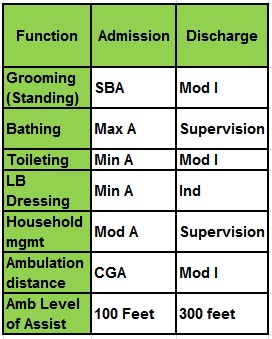
Courtyard Graph

Conclusion

Pulmonary embolism can account for 15 percent of all post-operative deaths, with greater risks associated with those undergoing lower extremity procedures, limb amputations and spinal surgery. Risk factors for PE include prolonged immobilization, status of pre-op blood coagulation, age, gender (males are higher risk) and ethnicity (African-Americans have a 50 percent higher risk.)

As illustrated with our patient, therapists must remain vigilant in monitoring S/Sx and vital signs during therapy of post-surgical patients. It is critical that therapists are aware of risk factors and demonstrate good communication with doctors and nursing regarding any potential change of condition. Due to good interdisciplinary communication and aggressive skilled therapy, this man recovered to his prior level of function and was able to return home.

By Justine de la Fuente MOTR/L

What Is a Clinically Complex Patient?

A clinically complex patient is described as having co-morbidities of several medical conditions, often with a cardiopulmonary overlay that significantly compromises the patient’s ability to function. Most of these patients have primary diagnoses that require nursing intervention and often have the presence of exacerbation and/or remission. In addition, there are often other challenges, such as low activity tolerance, lack of participation and low motivation.

The most common conditions among medically complex patients include but are not limited to:

  • Respiratory conditions (pneumonia, COPD/chronic bronchitis, emphysema, asthma, atelectasis)
  • Cardiovascular conditions (CHF, hypertension)
  • Metabolic conditions (renal failure, diabetes)
  • Infection (sepsis, systemic inflammatory response syndrome)

Due to the medical conditions present, therapy will need to have strong documentation to justify the need for intervention and the patient’s ability to tolerate intervention, especially at higher intensities. Note: Patients who are clinically unstable (uncontrolled hypertension/hypotension, arrhythmia, angina, etc.) will need to have their conditions stabilized prior to rehabilitation intervention.

Evaluation Considerations

When completing an assessment for a clinically complex patient, be sure to capture information regarding the patient’s respiratory function, cardiovascular function, endurance, polypharmacy and ability to tolerate functional activity. Assess vitals and labs such as heart rate, respiration rate, blood pressure, O2 SATs, pain, mental status and any other labs or pharmacology, and measure vitals at rest and with activity (compare to norms for that age group). Use a Dyspnea Scale such as the Perceived Exertion Scale (modified Borg scale) to record the patient’s respiratory function with and without activity.

When reviewing lab work, remember that normal lab values in the elderly are compromised by the high prevalence of disease and by age-related physiologic and anatomic changes, and drugs may alter the results of lab tests. Use appropriate references to determine normal values for each patient.

Be sure to capture current level of function during activity in the documentation, including percentage of trials, cueing levels and any outcomes from formal assessments (six-minute walk test, 30-second chair stand, arm curl, two minutes step in place, RPE, seated step test, senior fitness test, functional reach, incentive spirometry, etc.). Also include measurements of the patient’s physiological response to the activity, such as oxygen saturation levels, pulse, respiration and perceived exertion.

Establishing Goals

Determine how all of the information collected can be captured in functional goals. Goals need to be measurable, functional and sustainable. Goals for this population need to address:

  • Improving the patient’s ability to perform activities of daily living
  • Decreasing symptoms identified in evaluation that impact function
  • Increasing endurance and strength
  • Improving the patient’s quality of life
  • Decreasing negative consequences of deconditioning
  • Returning the patient to prior level of function (or beyond)
  • Include the patient and family to determine functional goals for discharge
  • Implement small, incremental goals that will be updated frequently for this population (modification of the goals and treatment plan are skilled services).

Skilled Intervention Considerations

  • Depending on the diagnostic results of each patient, treatment approaches will vary and need to tie back to the established goals.
  • Provide treatment during normal daily routines to help conserve energy, especially at the beginning of intervention.
  • Monitor vitals before, during and after activity (know the contra-indications for exercise with this population).
  • Reduce patient anxiety by providing treatment in their room or less active areas.
  • Keep therapy sessions short, or split the treatments as vital signs and patient ability dictate.
  • Make treatment modifications as the patient’s clinical tolerance dictates. Document the modifications and fluctuations in treatment approaches.
  • Integrating rest and assessment into treatment is critical for medically complex patients and is part of the provided treatment session.
  • Assessment of a patient’s condition, changes in recovery time, functional activity tolerance and mentation, assessment of vitals, and addressing levels of pain are all skilled interventions and essential to patients’ recovery.

Skilled Interventions

  • Postural management for pain relief and/or respiratory ease
  • Positioning for adequate respiration at rest and with activity
  • Breathing techniques at rest and with functional activity (resistive breathing, diaphragmatic and pursed-lip breathing)
  • Train coordination of breathing while speaking and other activities
  • Training and education in energy conservation for activity and ADLs (task segmentation, pacing, work simplification)
  • Provide support surfaces for pressure relief in bed and wheelchairs
  • Train clinically appropriate transfers
  • Ensure adequate hydration
  • Train airway protection strategies
  • Train safe coughing techniques
  • ROM exercises for improved strength, flexibility and coordination and peak work capacity
  • Head and neck exercises
  • Aerobic conditioning training
  • Balance and gait training
  • Integration of modalities
  • Psychosocial adaptations
  • Community reintegration
  • Home environment assessments
  • Patient education
  • Repeat diagnostics to compare patient function (six-minute walk test, RPE, Dyspnea Scales, etc.)

Progress Reports

A progress report shows how the patient is responding to intervention and their progress toward the goals, and it justifies continued skilled intervention for the patient. Continuation of services with no or minimal progress in a progress report period must be supported in the documentation. The justification statement also addresses how progress on the treatment goals has helped to move the patient closer toward meeting those goals. Justification statements for continuation of therapy services need to be written at least weekly.

Remember: Describing how the medical history impacts current functional status helps determine the circumstances that led to the need for skilled intervention.

The need for skilled intervention must make sense, support medical necessity and tie back to the goals. It is important to ask what could happen if skilled rehabilitation services were not initiated, such as safety risks and possible further decline.

The skills and techniques that can be taught to this population will improve not only the quality of their functional abilities, but also their quality of life.


Working With Cognitively Impaired Patients

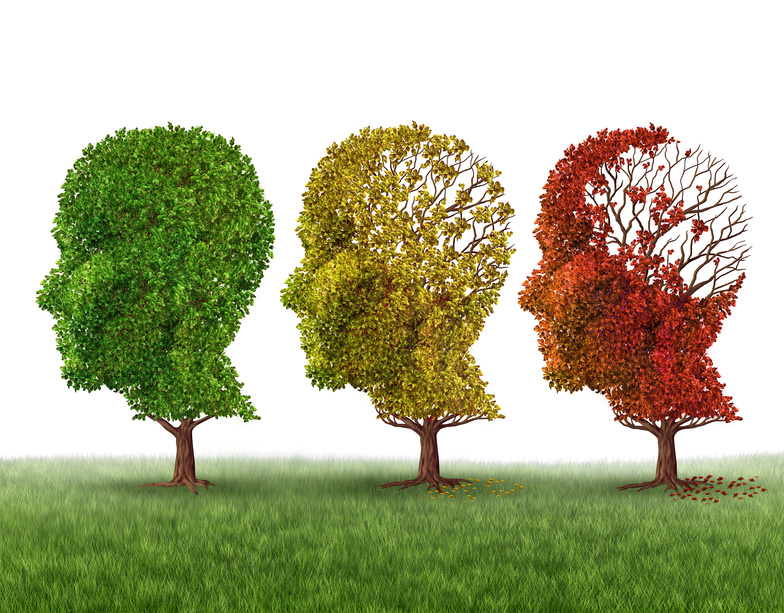
Memory loss and brain aging due to dementia and alzheimer's disease as a medical icon of a group of color changing autumn fall trees shaped as a human head losing leaves as intelligence function on a white background.

Cognitively impaired patients are described as those whose skills and abilities they had before their accident or medical problem are now either absent or have some defect that compromises their ability to function. Cognitive impairments can be caused by head trauma, neurological conditions, Dementia, anoxia, encephalopathy, etc.

Diagnostic Coding

When selecting the medical and treatment codes for this population, select the codes that best describe the change in medical condition that warrants intervention from each discipline. Avoid using the admitting diagnosis if it does not support intervention for cognitive impairments (i.e. using a hip fracture diagnosis would not be appropriate for SLP intervention).

Evaluation Considerations

Both OT and SLP scope of practice allows for assessment of cognitive/ cognitive-linguistic impairments. It is important for each discipline to differentiate how the assessment and scores will tie into their specific discipline for intervention. It is also important to use standardized assessments to further support the need for skilled intervention especially in clinical cases where the change is cognitive function is noted after a medical procedure or surgery that is not of neurological nature. Remember: Describing how the medical history impacts current functional status helps determine the circumstances that led to the need for skilled intervention.

OT Cognitive Assessments include interviewing the client / caregivers, cognitive screening, performance based assessments, environmental assessments, and specific cognitive measures, which taken together identify and describe:

  • The impact of cognitive deficits on everyday activities, social interactions, and routines. OTs assess the cognitive demands of functional activities, and design intervention plans that enhance performance through remediation or adaptation.
  • The relationship between cognitive processes and performance of daily life occupations, roles and contextual factors
  • Information processing functions carried out by the brain that include: attention, memory, executive functions, comprehension and formation of speech, calculation ability, visual perception, and praxis skills

SLP Cognitive-Linguistic Assessments are conducted to identify and describe:

  • Underlying strengths and weaknesses related to cognition, language, and social/behavioral factors (see Signs and Symptoms) that affect communication performance
  • Effects of cognitive-communication impairments on the individual’s activities and participation in ideal settings, everyday contexts, and employment settings;
  • Contextual factors that serve as barriers to or facilitators of successful communication and participation for individuals with cognitive-communication impairment;
  • The impact on quality of life for the individual and the impact on his or her family/caregivers
  • Review and include relevant case history, including medical status, education, occupation, and socioeconomic, cultural, and linguistic background
  • Assessment identifies the specific deficits along with preserved abilities and areas of relative strength in order to maximize functional independence and safety, and to address the deficits that diminish the efficiency and effectiveness of communication.

Physical Therapy will need to assess how cognitive functioning impacts their ability to participate in skilled services and what modifications / adaptations will be required for maximum progress.

Establishing Goals

Goals need to tie back to the deficits noted on evaluation and PLOF. Goals may be focused on improving safety during functional tasks and structuring care to allow the patient to perform at their best functional ability consistently during activities.

Skilled Intervention Considerations

For this patient population interventions need to be tailored to the unique needs of the individual (avoid too many electronic documentation “builds”). If the patient is instructed in tasks, include documentation that cognitive ability to learn is present. Ensure skilled interventions provided tie back to the goals identified at evaluation. The skills and techniques that can be taught to this population will not only improve the quality of their functional abilities but also improve their quality of life.

Skilled Documentation Considerations

Use terminology that reflects the clinician’s technical knowledge. Be sure to indicate the rationale (how the service relates to functional goal), type, and complexity of activity. Report objective data showing progress toward goal including: accuracy of task performance, speed of response/response latency, frequency/number of responses or occurrences, number/type of cues, and level of independence in task completion, physiological variations in the activity.

Specify feedback provided to patient/caregiver about performance (i.e. trained spouse to present two-step instructions in the home and to provide feedback to this clinician on patient’s performance). Explain the clinical decision making that resulted in modifications to treatment activities or the POC. Explain how modifications resulted in a functional change and evaluate patient’s/caregiver’s response to training.

Progress Reports

Be sure to capture patient progress and/or need for continued skilled intervention at each progress reporting period. This can be done by breaking down goals and reporting accuracy of task performance, speed of response/response latency, frequency/number of responses or occurrences, number/type of cues, level of independence in task completion, and physiological variations in the activity.

If no progress is noted, then explain why progress is expected to occur with continued treatment by listing any barriers to progress: Co morbidities, medical complexities, cognition helps justify continued services and/or explaining the “flat lines” when the goal status is the same progress report to progress report. This may also be an indication to modify the goals to better capture the patients’ functional status.

Justification Statement

This justification statement is the opportunity to further describe the need for continuation of skilled intervention. Simply stating “continue per plan” does not meet this criteria. Justification statements need to address: what skills were demonstrated/ achieved during the progress note reporting period; what deficits remain; and what is the clinician going to do about it. Strong justification statements at progress reporting periods are critical to supporting skilled intervention.

At Discharge

The discharge summary is the last documentation opportunity to support the skilled services provided. Use this opportunity to recap the patient’s status from evaluation to discharge. Summarize any programs established (i.e. functional maintenance); caregiver training; and patient’s current functioning status. Also consider providing a description of any complicating factors that impacted progress; emphasizing the skilled services and the treatment methods provided; and concluding with a brief statement of how skilled intervention has improved the patient’s function and/or quality of life.

In Summary

The need for skilled intervention must make sense; support medical necessity and tie back to the goals. It is important to ask what could happen if skilled rehabilitation services were not initiated, such as safety risks and possible further decline.

Medicare will only pay if it is clear that a therapist must provide the care that allows the patient to make progress. If the treatment seems routine or repetitive, Medicare will assume restorative could provide the treatment or the patient could spontaneously recover on their own.

By Tamala Sammons, Therapy Resource

Steps to Assessing Pain in Patients With Dementia

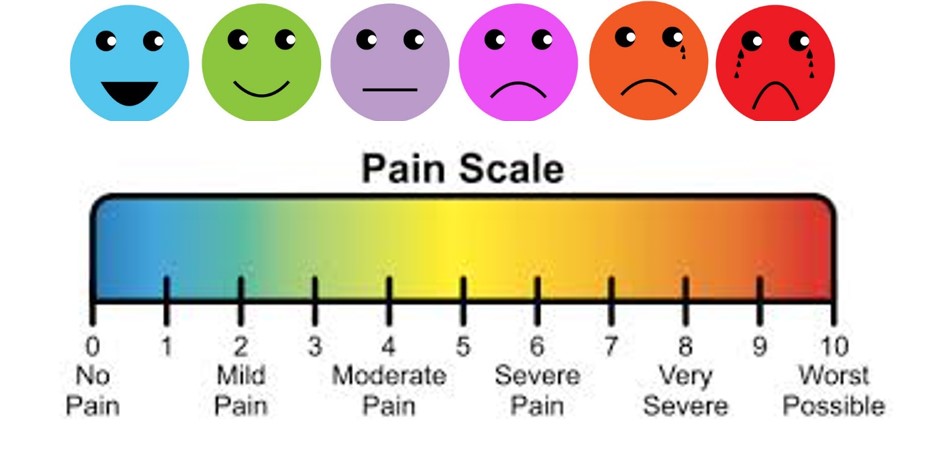
Pain scale-useAs part of the Abilities Care Approach to Dementia, the SLPs in Northern Pioneers are working to create a specialty program to better assess pain in people with dementia. The Northern Pioneers’ facilities are triggering high in the Quality Measures of pain management for long- and short-stay residents. Recently, the cluster SLPs held a skills workshop on the use of a standardized test to support this work: the FLCI, or Functional Linguistic Communication Inventory. Park View Post Acute’s Director of Rehabilitation, Jennifer Raymond, is leading this pilot program.

Overview of the Communication of Pain (COP) Assessment

The SLP program is designed as an adjunct to Abilities Care for residents with cognitive and/or communication deficits who cannot utilize the “Tell me your level of pain on a 1-10 scale” system. Referrals occur through pain committee, behavior and psychotropic committee, Abilities Care programming and Quality Measures. The program uses FLCI standardized testing to establish a patient’s communicative ability and strengths. The therapist works with the resident to establish the most effective pain scale tool that utilizes remaining abilities: reading words; ability to point; auditory comprehension at the word, phrase or sentence level; visual scanning/tracking; and verbalization. A variety of scales are available, organized in a “toolkit” and sent out by Therapy Resource Tamala Sammons. Once a successful method/scale is identified, training is completed with the charge nurse and CNAs. Nursing Care plans an individualized pain communication system, which is then used by all staff with that resident.

Research shows that negative and difficult behaviors in persons with dementia are often expressions of unmet needs that they are unable to communicate. Pain is a primary trigger for negative behavior. The pilot program is a great way for therapy to support the facility in reaching its quality-of-care goals for all residents.

By Jennifer Raymond, DOR, Park View Post Acute Care, Santa Rosa, CA

Contest - Importance of Incorporating Standardized Tests and Measures

hand-pen-noteOur practice standards expect evidence-based approaches to the care we deliver. More and more, health plans including Medicare, Medicare Advantage and various commercial insurances are requesting outcomes to measure the value of the services we provide. Just recently, the IMPACT Act was signed into law, which will require standardized reporting of outcome measures for patients receiving therapy services in Post-Acute Care Settings.


Standardized outcome measures provide a common language with which to evaluate the success of therapy interventions. This provides a basis for comparing outcomes related to different intervention approaches. Measuring outcomes of care within the relevant components of function, including body functions and structures, activity and participation among patients with the same diagnosis is the foundation for determining which interventions comprise the best clinical practice.

As professionals we need to capture evidence-based documentation. Incorporating standardized tests is an easy way to show evidence-based data to support our intervention.

There are a number of tests that are available for free and many are referenced in the POSTette located on the Therapy Portal entitled, “Therapy Tests and Measures.” Some tests do require purchase and can be expensive – we recommend focusing on the diagnoses you treat most and purchase accordingly.

Standardized measures also help to:

  • Identify dysfunction and deficits
  • Remove subjective factors from assessment
  • Provide results that can be generalized and repeated, which provides for external validity and reliability
  • Compare deficits to normative data by age group
  • Provide a “starting” point especially with the increased emphasis on evidence based practice
  • Provide measurable/objective outcomes for patient success from start of care to discharge to improve quality of care
  • Provide evidence based information to support intervention and reimbursement
  • Allow for tracking and trending of outcomes over time.

To Enter the Contest: Complete a blog entry below on how you successfully implemented the use of standardize testing into your clinical programming and documentation. A committee will review all entries to determine winners. The names of winners will be posted and prizes will be sent to you at your facility. HAVE FUN!!

The Deadline: Friday December 19th

Are Your Patients “Motivated to Move?”

Fall-Reduction Programming Ideas

We spend a lot of hours trying to stop our patients from moving. We stop them from getting up, picking things up off of the floor, leaving the facility and so on. What if we shifted our focus from the physical aspects of fall prevention and started looking at our patients’ social aspects of life? To put it simply, what if we stop trying to stop them?

motivated-to-moveAs humans, we are motivated by behaviors like meeting an unmet need or wanting to move. Residents who struggle with self-care and mobility might experience feelings of loneliness, helplessness and boredom if they are continually prevented from addressing their intrinsic desire to get moving. In fact, these three emotions account for the primary suffering among our elders! By utilizing social interventions, however, we can not only reduce the frequency of these feelings, but also help to reduce falls, medications, restraints, skin issues, weight loss, etc.

Some of our residents are able to sit for longer periods of time, engage in activities longer, etc., but others are not. We need to identify those residents. In other words, it’s more than a fall risk score to determine who is really at risk to fall. Two residents can have the exact same fall risk score, but one may be at a higher actual risk to fall because of his “motivation to move” behaviors. Our treatment interventions need to include the social aspects for these residents to develop individualized plans.

If you know you have a “mover” on your hands, find out the following from the staff:

  • Can he use the call light?
  • Does he wait for his call light to be answered? Or just transfer himself?
  • Is he independent with transfers?
  • Do you think he is safe if he would transfer himself independently?
  • Is he impatient?
  • Is he bored?
  • Is he in pain?
  • Is he uncomfortable?
  • Does he want to walk more?

Find out the following from the resident/family:

  • What did he like to talk about?
  • Describe his occupation in detail
  • What were his work hours?
  • Was he in charge at work?
  • What did he like to do on Saturdays and Sundays?
  • Did he have a lot of friends or a few close ones?
  • Was he social?
  • What does/did he like to talk about (military, farming, fishing)?
  • Was he busy with his hands?
  • What type of food did he eat at home?

What can we do at the facility to meet this resident’s needs socially?

  • Brainstorm with the recreation & social services departments
  • Review the list of your folks who are motivated to move and review them with the team
  • Ask them to do the investigation for “new” information from the family or the resident on motivation levels and details of social and independent things he preferred
  • Truly individualized interventions are what we are after
  • Think in terms of interests rather than problems when developing the care plan around social interventions

What interventions can be put in place besides the trifecta of alarm, low bed and fall mat? Consider:

  • 24-hour fall journal (1:1 the resident for 24 hours and document the routines)
  • Highlight known fallers on the Care Plan/Care Directives
  • Evaluate the room setup
    • Rearrange furniture
    • Velcro on the remote controls
    • Modifications to closets
    • Dusk-to-dawn lighting
  • Toilet resident consistently
  • Evaluate bathrooms
    • Nonskid strips by toilet
    • Raised/colored seat
    • Arm rests (if they need WC, are they available in the bathroom?)
    • them for sit-to-stand in
    • Lighting : dusk-to-dawn lighting for better lighting at night
    • Bathroom alarms
    • Grab bars/Add texture or color or change where they are located
    • Color difference with toilet seats
  • Evaluate seating and positioning
    • Elevate footrests
    • Recliners
    • W/C drop seats/inserts/adjustments
    • Anti-tippers
    • Auto locks for breaks
  • Evaluate bed positioning
    • The Liberty Bed Wedge (Keen Mobility)/Body pillows/Rolled up blankets/Swim noodles — Be mindful of the purpose of what is being used
    • “Egress Ez” Mattress
    • Bedside mats
  • Engagement — What are their passions/hobbies?
  • Activities designed around personal interests
  • Restorative programming
  • Personal contact

Skilled Rehab Intervention

  • Standardized tests (Be sure to discuss results with IDT)
    • Strength and muscle performance
    • Chair rise test
    • Getting up from lying on the floor test
    • Aerobic capacity
    • Six-minute walk test
    • Seated step test
    • Gait, locomotion and balance
    • Berg
    • Timed Up and Go (TUG)
    • Functional and modified functional reach test
    • Range of motion test
    • Chair, sit and reach test
    • Activities of daily living
    • Kohlman Evaluation of Living Skills (Kels)
    • Cognitive
      • Allen Cognitive Levels
      • Montreal Cognitive Assessment (MoCA) Cognitive Performance Test (CPT)
      • St. Louis University Mental Status Exam (SLUMS)
      • Cognitive Linguistic Quick Test
  • Assessment for positioning and support surfaces
    • How long are residents sitting? Do they have the right cushion? Are they comfortable? Is their skin protected? How long can you sit?
    • Older adults with balance impairments have twice as large trunk positioning errors.
    • Hip flexion contractures
    • Strength, coordination, ROM and position sense play a greater role in trunk repositioning than vision or LE somatosensation.
  • More skilled intervention
    • Strength and muscle performance
    • Aerobic capacity
    • Gait, locomotion and balance
    • Range of motion
    • Activities of daily living
    • Cognition
    • Addressing any pain
    • Core stabilizing exercises
    • Modalities

Restorative Programming Ideas

  • Functional ambulation programs
  • Transfer training/Sit-to-stand programs
  • Strengthening/ROM/Flexibility programs
  • Implement facility ambulation programs
    • Take the Dine OUT of Walk to Dine and JUST WALK.
    • Design ambulation programs around individuals’ motivation to move.
    • Anticipate their needs and walk them MORE throughout the day and every shift.
    • Most people will want to rest after exercise regardless of fitness level.
  • Integrate rest or movement periods out of chairs to avoid “slumping” and fatigue

If we do our part to identify wants/needs and activity preferences and help our patients become as independent as possible, we will improve their overall quality of life and see a reduction in falls.

By Tamala Sammons, Therapy Resource