
It’s a Tie! Two Winners Earn SPARC Awards

SPARCCongratulations to Lorena Hawkins of Salem, OR, and Sarah Ensign of Salt Lake City, UT, who tied this quarter as recipients of our quarterly scholarship award. Each will receive $2,000 to assist them in completing their Occupational Therapy education, Sarah intends to graduate in May 2015 from the University of Utah, and Lorena will graduate in August of 2015 from Pacific University. The SPARC judges unanimously agreed that the essays written by Lorena and Sarah embodied the “spirit of Ensign.” Read their essays below…we think you will agree!

By Sarah Ensign, OT Student, University of Utah Division of Occupational Therapy, Salt Lake City, UT, Grad Date: 05/08/15

I sat in anticipation, waiting for the show to start. The sky around me was darkening. As I gazed upward I saw the first few stars of the night sparkling bright. Only a few stars, not quite dark enough yet. I glanced around me and saw many families sprawled across the lawn. Other children seemed just as excited as me for the fireworks! I saw several children playing glow stick tag while others were admiring the fountains, flowers, tanks, and other small fireworks some families had brought for entertainment while awaiting the grand show. I noticed a few fire trucks across the golf course, ready in case anything happened to go wrong. One year a small tree had caught on fire, but it was quickly put out. A cool breeze ran through my hair, causing me to shiver slightly. Almost time, I could feel it. Even though this was a small town fireworks show, it was one of my favorites. I saw some dark figures moving, preparing to light the first fuse. First a spark, a few quiet seconds, and then BANG. I jumped as a blinding light and deafening sound shot out across the lawn. BANG. BANG. BANG. Panicked parents grabbed their children and started to run as they realized what was happening. The firework show had begun, but instead of being launched into the sky above us, they were exploding on the ground. Flashes of green, red, gold, and purple lit up the air as I ran to safety with my family. The firemen scrambled to pull out their hoses and rushed to help get people out of harms way. It was the fastest, scariest, but most breathtaking fireworks show I had ever seen. Everything exploded in a matter of a few brief, alarming minutes. Thankfully no one was hurt and the firemen got everything under control. I wondered what had caused the fireworks to explode on the ground. What had gone wrong?

I later heard someone explain that one of the fireworks had fallen over and exploded on the ground, which ignited all the other fireworks and caused them to explode. That fourth of July was the most memorable I have ever had. Since that day, I have reflected on that night many times. But it wasn’t until I started studying occupational therapy that I recognized the lessons I learned that night apply to more than just fireworks shows. They are lessons that apply to me as a future health care professional.

Lesson 1: To light a firework, you first need a spark. I recently performed a needs assessment for a private, Montessori school that currently does not have an occupational therapist. The first day I arrived, many eager teachers greeted me. Their excitement showed on their faces as they told me they already had lots of questions and many students they wanted me to help. Even though I was the one who was supposed to be advocating for occupational therapy, I realized someone else had already created a spark of desire in these teachers. They looked to me in anticipation because I had something they didn’t: an education in occupational therapy. Throughout the semester, I collaborated with them to answer their questions and teach them strategies they could implement to increase their students’ performance in the classrooms. Without that original spark of desire, the teachers may not have been as willing to collaborate with me, and my fieldwork experience at that school would have been very different. Not all of my clients will have that same spark inside of them. Many will be struggling with significant challenges that impact their daily lives and leave them feeling hopeless and in the dark. Some of these challenges will pass quickly while others may last a lifetime. For all of these clients, I can be the spark they need to realize there can still be fireworks in their lives. By sharing my knowledge, experience, and excitement for occupational therapy, I will help my clients achieve their goals, renew their zest for life, and find joy in their daily occupations.

Lesson 2: It takes time for the spark to travel down the fuse before the firework ignites. Fireworks don’t explode the moment they are lit. For safety reasons, every firework has a fuse for the spark to travel on before reaching the chemicals inside the firework, giving people time to distance themselves from harm. Likewise, it takes time for the spark to turn into grand fireworks in therapy. Healing, recovering, learning, changing, and adapting are all processes that take time. Just as I couldn’t expect to know everything about occupational therapy the moment I started OT school, I can’t expect my clients to understand everything all at once. It will take time for them to master a new strategy and increase their performance in their desired occupations. It will be important for me to teach this concept to my clients. I did one of my level II fieldwork experiences in an outpatient pediatric setting. One mother I worked with had the mindset that if she didn’t see immediate results in her daughter, it was the fault of the therapists. She wanted the magical solutions for her daughter. Unfortunately, there are few instant, magical solutions when it comes to therapy. Improvement .It takes time and practice. And then it takes more time and more practice. One limitation to providing enough time and practice comes from our health care system today. Due to therapy caps and reimbursement from insurance, therapists cannot always give clients the time and practice they need. We have to use the limited time we have, even if that time isn’t the most ideal for the client. If I had freedom from corporate limitations in healthcare, I would provide therapy for the amount of time my clients and I determined was appropriate, not the amount the insurance companies dictate. I would love to create an “occupational therapy gym” that follows the model of fitness gyms. I would provide several one-on-one consulting sessions and then clients could access the gym anytime they want with a small membership fee. The OT gym would include equipment and materials for a variety of daily activities and occupations. I would have occupational therapy assistants available to help clients when they came in and I would be available to provide additional consulting sessions to make adjustments to therapy plans as clients make progress towards goals.

Lesson 3: Extra precaution should be taken to make sure the firework has a stable, solid base. To prevent an unsteady, possibly harmful practice, every therapist should have a solid foundation in evidence. Evidence-based research provides therapists with current knowledge about effective and non-effective practices. An evidence based practice creates questions and provides answers. Frequently searching the literature will create a solid foundation of knowledge that therapists can use when needed. I heard a piece of advice at a leadership training that has stuck with me that relates to my future practice as an occupational therapist. The speaker said that when preparing lessons, teachers should saturate themselves with knowledge on the topic and then adapt every lesson to the needs of the students. As a therapist for my clients, I want to saturate myself with knowledge and then adapt to each individual client. Not all pieces of information will apply to all clients. As long as I have a solid foundation in evidence, I will be able to provide my clients with the pieces of knowledge that are specific to them.

Lesson 4: Too much at once is potentially hazardous. More isn’t always better. Too many fireworks exploding at once created a dangerous situation. I’ve learned in my fieldwork experience that this concept applies to therapy as well. When I started my first fieldwork experience, I was eager to share all the new knowledge I’d gained. As I talked to parents about their children, I found myself wanting to share everything all at once. I figured the more I shared, the better. But I was wrong. I quickly learned that too much information at once was complicated and overwhelming to the parents. Parents often failed to implement any of the strategies at home with their children because it was too much for their busy lives. But I found that if I focused on one or two strategies at a time parents were much more likely to understand and be willing to implement strategies at home.

Lesson 5: Be prepared for something to go wrong. Had the firemen not been present and ready for a possible disaster, many people might have been seriously hurt. But because they were prepared for something to go wrong, they were able to act immediately. As therapists, we can expect things to go wrong. Not every therapy session goes as planned. Some days our clients are tired while other days technology breaks down. There are many factors that can cause something to happen that wasn’t part of the original, ideal plan. However, we don’t have to worry as long as we are prepared. I plan on having plan b’s and plan c’s, and maybe even plan z’s. As a therapist, I will need to be flexible and adaptable so I can adjust my sessions according to my client’s needs.

Lesson 6: Even when something goes awry, admire the beauty in it. Even though this firework show wasn’t the typical one, I was still in awe of the brilliance and beauty of the bright lights around me. It was a different beauty than if the fireworks were bursting in the sky amidst the shining stars, but still beautiful nonetheless. As a therapist, I can help my clients recognize that even though their experiences might not be what they ever wanted or expected, they can still find beauty in their lives. I have an aunt whose life suddenly changed one day on a trip in Florida. She was bitten by a mosquito carrying a virus that caused encephalitis. Her brain swelled so much she went into a coma. Thankfully she woke up after a month, but when she did, her legs were paralyzed. She had three young sons and needed to adapt to being a mother in a wheel chair. One day, a few years later, my mom was helping her clean. While my mom was scrubbing the toilet, my aunt said she’d give anything just to be able to scrub her toilet independently again. My aunt realized the beauty of a monotonous, undesirable chore many of us take for granted. My aunt has been an example to me and everyone of finding joy in her situation. Many refer to my aunt now by her nickname- Sunny.

I will soon be making the transition from student to professional. Even though I will no longer be an official student, I will forever be a learner. I love to study, read, and learn from experiences and opportunities. For the past 20 years, I’ve had remarkable teachers share their knowledge and experiences with me to help me learn about various subjects. But most importantly, they’ve taught me the importance of learning and thinking for myself. Soon it will be my turn to share what I have learned with my clients. My desire is to not just impart knowledge, but to provide hope, inspiration, excitement, and joy to my clients through my kindness, sincere concern, and passion for learning. As I utilize these six lessons and all the other lessons I’ve gained from my education and training, I will help each one of my clients ignite the beautiful fireworks inside themselves.


By Lorena Hawkins, OT Student, Pacific University School of Occupational Therapy, Hillsboro, OR, Grad Date: 8/08/15

Answering the question, How do I envision using my education and training to be a spark in the lives of others, is a huge question. I went to school to become an occupational therapist because I wanted to use my training and education to influence people’s lives for the better, to restore hope in a place where hope might be only but a distant thought, to help others restore a life which has been interrupted due to illness or injury, and to offer dignity in a situation and time when dignity may be lacking due to the need for cares.

I am the daughter of two high school graduates from a small town in Eastern Oregon. I am the sister of two high school graduates from the same small town in Eastern Oregon, and I will be the first one to graduate with this amount of education in both my immediate family and my extended family. While I have enjoyed where my passion for learning has lead me, and the level of degree as a doctor of occupational therapy, I still hold a deep passion for rural health and reaching the underserved population in our rural communities. I will be using my education and training to further direct service opportunities for all rehabilitation services in rural areas with a focus of tele health as a support for those services.

My practice philosophy will define occupational therapy as, “the restoring of a life that has been interrupted or impaired. It is the restoring of the whole person through equality of partnership in therapy as areas of concern which prevent participation in meaningful and purposeful activities are identified and solved.” My clients will be those who come from all stages of life, all walks of life, and from all corners of the world. Their challenges are multifaceted and may pose physical, emotional, cognitive, and or spiritual barriers that prevent them from fully participating in their lives. They come to us in in partnership to address their challenges and to learn how to reengage in their wants and desires of performance. I will strive to provide individual client-centered therapy addressing barriers and supports of occupational participation. My desire is to provide a holistic approach to the client by learning who they are, what they like to do, and where they do the things they like to do through interview and conversation. Once these aspects are learned, we stand in the gap between desires and doing by educating and problem solving through interventions that and meaningful occupation based therapy.

The values which drive my practice as a future therapist will be:

  • All individuals are afforded the respect due them based on who they say they are.
  • Restorative therapy is a partnership between myself and the client and obtained through open, honest, and informative communication.
  • Individuals have the right to refuse service without judgment after expressing concerns and fears about participation openly and honestly from each side of the discussion.
  • Therapy is not a secret. Clients will be informed as to why they are doing what they are doing.

Finally, I am inspired by evidence based practice and research. Evidence based practice is the lens in which all models and frameworks must pass through on their way to existence, gives me a place to learn and grow as a practitioner, and affords me the opportunity to synthesize my knowledge and reasoning. My spark will be displayed in many ways and reach many people once I complete my goal which has been fueled by a passion for learning. For my clients it will be a spark of knowledge and insight to those opportunities for us to work together as we restore or adapt to life after interruption. For my nieces and nephews, I will be a spark which represents the importance of never giving up on education and the career and quality of life which can be gained through education. For myself, I will be a spark of accomplishment and confidence based on completing a long standing goal and never giving up. This spark will then be transferred to my clients to barrow when their confidence and belief is faltering.

Honestly, I am not a great prose writer. Nor am I 4.0 student, but I do care. I care so much for my clients and their situation which they are facing. I have a passion for the therapy that has taken dedications to see come to pass. It excites me to know I get to spend the rest of my life, as being an occupational therapist is really a lifelong career, influencing therapy. Not just among colleagues and patients but also on a political level through advocacy for the profession. The future is brighter than a spark for me. For me, the future is a star. The amazing thing about a star is this: the spark/event which created the light we view at night has long burned out. but we still see the evidence of that spark all these many light years later. In essence when we view the stars at night, we are looking at a memory. I so long to be such a spark for a client, and their family, that when they look back on the event of us meeting it is only a light shining of a memory in a dark time.



Developing a Post-Acute Cardiac Wellness Program

heart_pictureAs we are all well aware, CMS has begun penalizing hospitals for unplanned readmission of certain diagnoses, including acute myocardial infarction (AMI), heart failure (HF) and pneumonia (PN). This new rule brought into focus specialty areas where the post-acute care settings could partner with the hospitals for improved outcomes. Many skilled nursing and rehabilitation programs have always accepted patients with cardiac conditions, but they are now talking about their role in relation to reducing hospital readmissions. In many cases, the SNF, HH and outpatient programs are providing therapy to these patients under the general rehabilitation program.

We have seen the opportunity in some of our markets to further develop well-defined cardiac specialty programs with quality outcome measures in place (such as the CARE Item Set and NOMS), for the primary purpose of enhancing the transition of care for this highly specialized population. By implementing this type of specialty program, we believe that hospital readmissions, greater patient satisfaction and higher success with transitions of care will be achieved. When we add in the fact that we will be able to provide measurable outcomes using standardized tools such as CARE and NOMS, measuring the overall effectiveness of the program and evaluating opportunities for further development will be more distinguishable.

In 2012, your therapy resource team developed a tool that could be used to help facilitate the steps for developing a specialty program. In 2014, we refined it using the specialty of cardiac wellness as an example, sharing it through leadership meetings and the Therapy Portal. Three of our facilities took the information from the meeting and identified cardiac specialty physicians who were eager for a program that could help transition their patients from the acute hospital stage and back into the community. The facilities reached out for therapy resource support with development, and as we dug in with these three programs, we began to see the opportunity to create something special that could be shared across the organization. We then turned this support into a collaborative program development pilot, where we are asking them to be a part of creating a packaged program that can be implemented by our facilities throughout the organization. The pilot facilities are Sabino Canyon Rehabilitation & Care Center in Tucson, Brookside Healthcare Center in Riverside, and Victoria Care Center in Ventura.

Together with service center resource support, the three facilities have each identified the facility IDT interested in the program and developing the skills necessary to enhance expertise, identified a need in their communities by talking with health partners, invested in some of the equipment deemed essential for getting started with a post-acute cardiac wellness specialty program, helped to refine components of the guidelines being created, and are contributing to the development of clinical pathways relevant to our cardiac diagnoses and setting. One of the consistent questions that the teams were struggling with as they embarked on this specialty program development was where to start once they had secured internal interest and a potential need within their healthcare communities. Therapy Resource support was helpful with how to have those initial conversations for the facility to springboard into the next steps.

At Sabino Canyon Rehabilitation and Care Center, administrator Eli Robbins, DNS Quinny Mazzola, DOR Valerie Berg and a therapy resource met together with Dr. Tirrito, a local cardiologist, to discuss the need in the community for a transitional program such as this one. Dr. Tirrito was instantly intrigued, as he identified a significant need for the patients within his own practice. Dr. Tirrito is well-established in the Tucson community, working with Pima Heart and a variety of hospitals and health plans. He has helped us consider different definitions to the program. He provides rounds on a regular basis, he provides ongoing in-service education to the facility staff, and he assists with creating in-roads to various health partners for Sabino to spread their message. They are taking his patients and using the experience to continue to help with the development of the program. During the development phase, the Sabino Canyon Therapy Team was in need of more specific expertise. We are working with Ellen Strunk, who not only holds an Expert on Exercise with the Aging Adult and Geriatric Specialty Certification, but also has extensive experience with developing cardiac rehab and wellness models. Ellen has helped us to create and deliver a training and competency program for our own therapists.

At Brookside Healthcare Center, Matt Stevensen, in partnership with Vangie Bravo, Ron Layos and a therapy resource, began conversations with the Dignity Health Partners and local Hospital Liaisons about a need for this type of program. Dr. Slayyeh, a local Cardiovascular Surgeon, is a great partner and has helped to further define our admission criteria. He and the Dignity Health Partners are also helping to create a transition from the acute hospitalization to our setting, as well as transitions beyond the Skilled Nursing and Rehab stay.

At Victoria Care Center, the team has created a very strong physician advisory board with a variety of physician expertise. John Gardner, Juvie Lopez and Sacchin Bhatia, along with therapy resource support, began seeking areas of potential need for more post-acute care expertise within the community. Dr. Patel, a cardiologist and one of the board members, agreed with our suggestion of the need for a transitional post-acute cardiac wellness program. He brought the idea back to a group of surgeons and partners in the practice. As we were moving through the development phase of the program, he suggested involving an expert from the Cardiac Rehab Program at Henry Ford Hospital, Dr. Steve Keteyian. We have partnered with Dr. Keteyian to add his expertise in further development of the clinical aspects of the program. In addition to directing Henry Ford Hospital’s Cardiac Rehab Program, Dr. Keteyian is also a very accomplished educator and author on the subject of cardiac rehabilitation and is interested in helping with the work we are doing in the post-acute care settings.

Before the end of 2014, your therapy resource, clinical resource and PAC resource teams, in collaboration with the pilot facilities, expect to have a well-defined, fully executable cardiac wellness program guideline, training pieces and clinical pathways developed for sharing throughout the entire organization. There will be a Cardiac Wellness Guidelines Manual, clinical pathways for the program diagnoses, an educational training for the Clinical Program Coordinators, a CEU training and competency-based education program for the therapists, educational flyers for patients on subjects such as smoking cessation, dietary considerations, exercise and self-assessment, as well as a marketing and education campaign for use with the local healthcare community and potential consumers. If you and your team are interested in getting started with a specialty program, please reach out to your local therapy resource for assistance with how to get started. We are here to support you and your interdisciplinary team with living your vision.

By Deb Bielek, Therapy Resource

Preparation Is Key as the IMPACT Act Becomes Law

Prepare for IMPACT
The Improving Medicare Post-Acute Care Transformation (IMPACT) Act signed by President Barack Obama on Oct. 6, 2014, directs the U.S. Department of Health and Human Services (HHS) to standardize patient assessment data, quality and resource use measures for PAC providers, including home health agencies (HHAs), skilled nursing facilities (SNFs), inpatient rehabilitation facilities (IRFs) and long-term care hospitals (LTCHs).

It is believed that the standardization of patient data across Post-Acute Care settings will allow HHS to compare quality across PAC settings, improve hospital and PAC discharge planning, and use this standardized data to reform PAC payments in the future.

The new law will:

  • Require PAC providers to begin reporting standardized patient assessment data at times of admission and discharge by Oct. 1, 2018, for SNFs, IRFs and LTCHs and by Jan. 1, 2019, for HHAs.
  • Require new quality measures on domains beginning Oct. 1, 2016, through Jan. 1, 2019, including functional status, skin integrity, medication reconciliation, incidence of major falls, and patient preference regarding treatment and discharge.
  • Require resource use measures by Oct. 1, 2016, including Medicare spending per beneficiary, discharge to community and hospitalization rates of potentially preventable readmissions.
  • Require the secretary of HHS to provide confidential feedback reports to providers. The secretary will make PAC performance available to the public in future years.
  • Require MedPAC and HHS to study alternative PAC payment models, with reports due to Congress in 2016 for MedPAC and 2021–2022 for HHS.
  • Require the secretary to develop processes using data to assist providers and beneficiaries with discharge planning from inpatient or PAC settings.

CMS and other entities have worked together to strategically identify an efficacious tool for collecting quality measures in PAC settings. The CARE (Continuity Assessment and Record Evaluation) Item Set is the frontrunner as the tool for collecting data on self-care and mobility. The CARE Item Set was developed by a PAC Outcomes Workgroup being led by Dr. David Gifford, with members from the National Association for Support of Long Term Care (NASL), American Health Care Association (AHCA), American Physical Therapy Association (APTA), American Occupational Therapy Association (AOTA) and others. Extensive research has been collected on the tool using over 12,000 cases. There is overwhelming support for this tool.

The tool for measuring swallowing, cognition and communication has not yet been determined by the PAC Outcomes Work Group. The National Outcomes Measurement System (NOMS), developed by the American Speech-Language Hearing Association (ASHA), is felt to be the frontrunner at this time.

Optima Health Care Solutions (Optima HCS), the maker of our rehab software, Rehab Optima, has been selected to serve as a national repository for the collection of data from the CARE Item Set, which will be used to collect data regarding self-care and mobility at admission and discharge. Optima HCS has also worked with the ASHA and has been authorized to build NOMS into the documentation for use by our SLPs certified in NOMS. Ensign has been selected as one of three organizations nationally to test the external NOMS collection site in Optima. As an organization, greater than 50 percent of our therapists have been certified in NOMS and/or CARE and we are collecting data on our Post-Acute Care admissions. We are also beginning to use the data to speak to our healthcare partners, including those affiliated with hospitals, home health agencies and outpatient treatment centers. By using CARE Item Set and NOMS to measure outcomes, our programs are preparing for the requirement to measure and improve quality of service delivery to our Skilled Nursing Facility rehabilitation patients.

The data collected during the CARE Item Set demonstrations completed by the PAC Outcomes Workgroup will be presented to the National Quality Forum on Nov. 7.

Read more information about CARE Item Set.

Read more information about ASHA NOMS.

Second SPARC Awarded

SPARC

Congratulations to Trevor Pettigrew of Medford, Oregon, our second winner of Ensign Therapy’s SPARC. To assist him in completing his Physical Therapy education, he will receive a check for $2000.00. Trevor is a student who will graduate from the DPT program at the University of Washington in June of 2015. He is recognized by his academic mentors as someone who is ethical, caring, conscientious, thorough and personable. He is also the kind of student who consistently requests feedback and constructive criticism and is able to apply it to his practice. The SPARC judges unanimously chose Trevor and were touched and impressed by his personal story, a “must read” (below).

Essay by Trevor Pettigrew

Staring at the run-down “single-wide” in the middle of nowhere, I could barely believe my parents as they told my siblings and me that this would be our home for awhile. We had just moved from a pleasant neighborhood in a suburb of Los Angeles. The move itself had been stressful–caravanning up north, with merely the hope of a job and a home, and our pared-down belongings left in storage.

My dad’s company had been bought out and the employees laid off while I was in elementary school. While not extravagant, our comfortable lifestyle disappeared as my family was caught in the country’s economic downturn. After thousands of resumes, several low-paying jobs, and depleted savings, my parents decided to take a leap of faith and move to an area where my dad had often dreamed of living: southern Oregon.

The stark contrast of these two locales highlighted the fact that I had spent my early years in an area that in itself was filled with individuals of rich diversity. Unlike my mom’s stories of culture shock when she moved from a small town with a fairly homogeneous population in upstate New York to an inner-city neighborhood in Los Angeles she could afford as a graduate student/teaching assistant, I was, in fact, shocked by the relative homogeneity of my new surroundings.

Perhaps it was the fact that I had been homeschooled and had participated in activities with students from a widespread, metropolitan area. Unlike public school students who went to school with the same children they played with at home, my friends were spread out in various towns whose neighborhoods, homes, and families often varied drastically from mine. Quite frankly, because of the changes in my family’s circumstances, my lifestyle quickly changed from that of my neighborhood friends.

All these factors resulted in feelings of frustration, restlessness, and a subconscious, smoldering desire, a desire as yet un-named. The spark that ignited this desire came at a high price. It involved bigger losses than before, beginning with the incarceration of my older brother shortly before I started college. As devastating as that was, it paled in comparison to the losses to come. One week after I started college, my father died of a massive heart attack while out for a morning run–the first half of an incredible one-two punch that I felt would level me. And as stressful as it was when my mother underwent open-heart surgery a little over two years after that, the final blow of that one-two punch came several months afterwards when my younger sister passed away in her sleep due to an undiagnosed congenital heart defect. While certainly dazed, I am thankful I was not knocked out and I didn’t submit. Instead, these devastating personal losses were the spark that caused that un-named desire that had been smoldering since after my earlier life circumstances to burst into full flame: I wanted to pursue life in a career that would allow me to make a positive difference in people’s lives by encouraging others not to lose faith and to keep on “keeping on” when they have been dealt blows in life, and I wanted to do that in a career that would not only allow me to be physically active but would also engage my mind as well.

All these circumstances–my homeschooling, the change in my family’s socioeconomic status, our move, and our losses—have helped me develop not only an ease with, but an interest in, widely disparate people as well as unique friendships that have enriched my life. They have driven me to pursue learning how to attain one’s best overall health through nutrition, exercise, stress management, and other lifestyle changes so that in addition to helping people in need of rehabilitation, I can contribute to the well-being of my patients by approaching them holistically.

At this point in my life and after these past two years of physical therapy education, when I think of how I hope to be a unique spark in the lives of my patients, I recall myself watching the evening news the day after Steve Jobs, the founder of Apple, died. I find myself agreeing with a man in Tokyo who said, “Someone who did so much makes me want to do more.”

Just as the news story described Jobs as having “democratized” the digital world with his ideas and products, I would like to “democratize” the world of physical therapy, making it more directly accessible to everyone. This has many implications from the idea of integrated practices of physical therapists and other medical providers and the accompanying expansion of patient choices in treatments to the development of more cost-effective interventions which would open up direct access to physical therapists to the uninsured, for example. One of my goals is to be running a pro bono physical therapy program helping to promote primary injury prevention and wellness in our community as well as to educate the general population about the physical therapy profession as a whole.

In addition, based on my student experiences working with patients in physical therapy settings as well as on witnessing my mother’s past experiences in physical therapy, I envision promoting investigation into and consideration of the effects of factors such as a patient’s personal life and environment when developing a plan of care to better insure the patient’s adherence to the plan and thereby improve the prognosis. Every patient’s story and background is different, and I believe my life’s diverse experiences in combination with my physical therapy training have given me a unique well of expertise on which to draw to serve my patients with skilled physical therapy care, understanding, and compassion to the highest ability.

First Winner of SPARC Announced

SPARC

Anar Veliyev is the inaugural winner of Ensign Therapy’s SPARC. To assist him in completing his Physical Therapy education, he will receive a check for $2000.00. Anar is a student in his final year of the DPT program at the University of Washington and is recognized by his academic mentors as someone who is ethical, caring, conscientious, thorough and personable. He is also the kind of student who consistently requests feedback and constructive criticism and is able to apply it to his practice. The SPARC panel of judges was touched by Anar’s personal story as well.

Anar and his family are refugees from Azerbaijan. As he describes it, “being half Armenian and half Azeri is the deadliest split ethnicity one can have when living in either Armenia or Azerbaijan.” Anar and his family transformed themselves from struggling refugees sharing a one-bedroom apartment to a family that has worked hard to support themselves financially and obtain degrees in healthcare. Anar’s mother is completing an advanced degree in Nursing while working as a registered nurse, and Anar’s older brother is a college graduate who continues to help support his family in achieving their goals.

Anar decided early on that it was his manifest destiny to use his skills to help the elderly through rehabilitation. “Giving the elderly help by strengthening their muscles, bones and tendons greatly increases their chances of living a longer and better life. Bringing awareness to their diets and activities is a vital process. Simply showing the elderly that we care could be all the difference in convincing them to voluntarily receive the assistance that they need,” writes Anar.

Ensign Therapy is proud to demonstrate our support of Anar and the excellence we are sure he will bring to caring for our elderly patients.

Leadership Opportunities with Ensign

Being a Director of Rehabilitation at an Ensign-affiliated facility is a unique and rewarding experience. Our organization is not bogged down with layers of middle management and corporate red tape. Instead, our therapy leaders have the freedom to make choices based on what is best for their patients as well as their therapy and facility teams. This freedom is paired with exceptional support from our Therapy Resources and Service Center team. One of the rewards for our therapy leaders is our annual DOR meeting, an event usually held in Southern CA just steps away from the beautiful beaches. We are fortunate to have amazing speakers with thought provoking presentations, great food, and lots of goofy fun with a team of great people who really enjoy each other.

Build Something GreatWe currently have leadership opportunities in the following locations: Victoria, TX and Clarion, IA. For details please click on the links above or contact Jamie Funk at (877) 595-0509 or e-mail jfunk@ensignservices.net.

Solid Opportunities for New Grad PTs in Beautiful Mendocino County

Vineyard at Sunset
Ensign Therapy needs you! We are currently recruiting for mid-level physical therapists who are seeking a shorter path to repay student loans. Our in-house therapy programs in beautiful Mendocino County, CA are offering a $10,000.00 Student Loan Repayment Program as well as a highly competitive compensation and benefits package tailored to your individual circumstances and professional goals. In addition we can offer paid CEU’s, and many career growth opportunities with our growing organization.


Click here for more information about the PT job opening in Ukiah and to apply online, or contact Jamie Funk, 877-595-0509, jfunk@ensigngroup.net

Puget Sound Home Health is Growing in Tacoma!


As one of our busiest home health operations, Puget Sound Home Health is actively recruiting for therapy professionals to treat in homes throughout a 30 mile radius of Tacoma. Enjoy a flexible but stable work schedule, a great team of nursing and therapy clinicians to work with, great hourly pay and full benefits at 32 hours/week.

To learn more, click on a discipline that interests you: OT and PT

Wound Care Treatment Approach for Physical Therapists

The PulseCare Medical Closed Pulse Irrigation™ system was founded by Dr. Patrick Marasco, an American Board Certified physician specializing in wound cleaning and care and reconstructive plastic surgery. The result is a unique Closed Pulse Lavage/Closed Pulse Irrigation™ system that allows patients to receive wound care by physical therapists at bedside. The system includes products that enable wounds to be safely sealed and isolated while they are irrigated by trained clinicians. PulseCare has been proven to reduce bacteria (biofilm) from the surface of wounds by 86.9 percent. PulseCare products eliminate the possibility of contamination through aerosolization and splash back, and they enable all byproducts of wound irrigation to be safely collected and disposed.

Advantages of using PulseCare as part of the wound care program:

  • Removes necrotic tissue and slough
  • Reduces biofilm by 86.9 percent with each treatment
    • No other wound treatment can selectively debride, cleanse and remove bacterial biofilm with the same level of efficiency and safety.
    • Biofilm can regenerate within 48 hours. This procedure is an essential selective debridement for removal of biofilm that sharp debridement cannot combat.
  • Portable — can be used in skilled nursing facilities without risk of contamination
  • Safe — eliminates aerosolization and splash back
  • Cost-effective — eliminates cost and time of operating room debridement, because PulseCare can be safely administered at bedside
  • Uses physical methods to eliminate biofilms (MRSA, PS, MDR-AC) without harming normal tissues
  • Can be used to eliminate biofilm in conjunction with Negative Pressure Dressings (Wound VacTM and Blue SkyTM), Hyperbaric Oxygen Treatments
  • Well-tolerated with minimal discomfort during treatment
  • Daily treatments by a physical therapist for enhanced wound bed preparation

A variety of patients can benefit from this wound intervention, including but not limited to patients with acute or chronic (non-healing) open wounds (surgical, vascular and pressure); patients with contaminated or infected wounds, including: MRSA (Methacillin Resistant Staph Aureus) and MDRB (Multi-Drug Resistant Bacteria).

Find demonstration videos and product information at http://www.pulsecaremedical.com/.

Postural Restoration: Treating the Unique Asymmetry of the Human Body

James Anderson is a physical therapist for Horizon Home Health & Hospice, and he brings to us a wealth of knowledge and experience in postural restoration. In his former practice at ProActive Physical Therapy in Burley, Idaho, one of the first clinics in the country to be designated a Postural Restoration Certified Center, James attained clinical exceUomo ai raggi x camminata scheletrollence in the nonsurgical treatment of back, hip, knee, shoulder and neck pain. Through a combination of extensive continuing education and collaborative research, James has become an authority on postural restoration and now teaches national courses for the Postural Restoration Institute®.

Over the years, James has provided course instruction and consultation to thousands of physicians, physical therapists, athletic trainers and strength and conditioning professionals nationwide. His expertise with biomechanics has led to invitations to serve as a sports performance consultant for a wide variety of collegiate and professional athletic organizations. These include regular consultation with athletes, trainers, and strength and conditioning professionals in the PGA, MLB, NFL, MLS, WNBA, UFC and several NCAA Division I men’s and women’s collegiate athletic programs. James’ passion for educating students, clinicians and other medical professionals has led to appointments as clinical instructor for several graduate programs and guest lecturer for a wide variety of local, regional and national events.

James received his Master’s Degree in Physical Therapy from the University of Nebraska Medical Center in Omaha in 1998. He completed his undergraduate studies at the University of Nevada Las Vegas, where he majored in kinesiology. He has been a faculty member for the Postural Restoration Institute for the past eight years.

James was a member of the first class to earn the designation of Postural Restoration Certified (PRC) as a result of advanced training, extraordinary interest and devotion to the science of postural adaptations, asymmetrical patterns, and the influence of polyarticular chains of muscles on the human body as defined by the Postural Restoration Institute®. We are pleased to welcome James to the Ensign family!

A Word on Postural Restoration

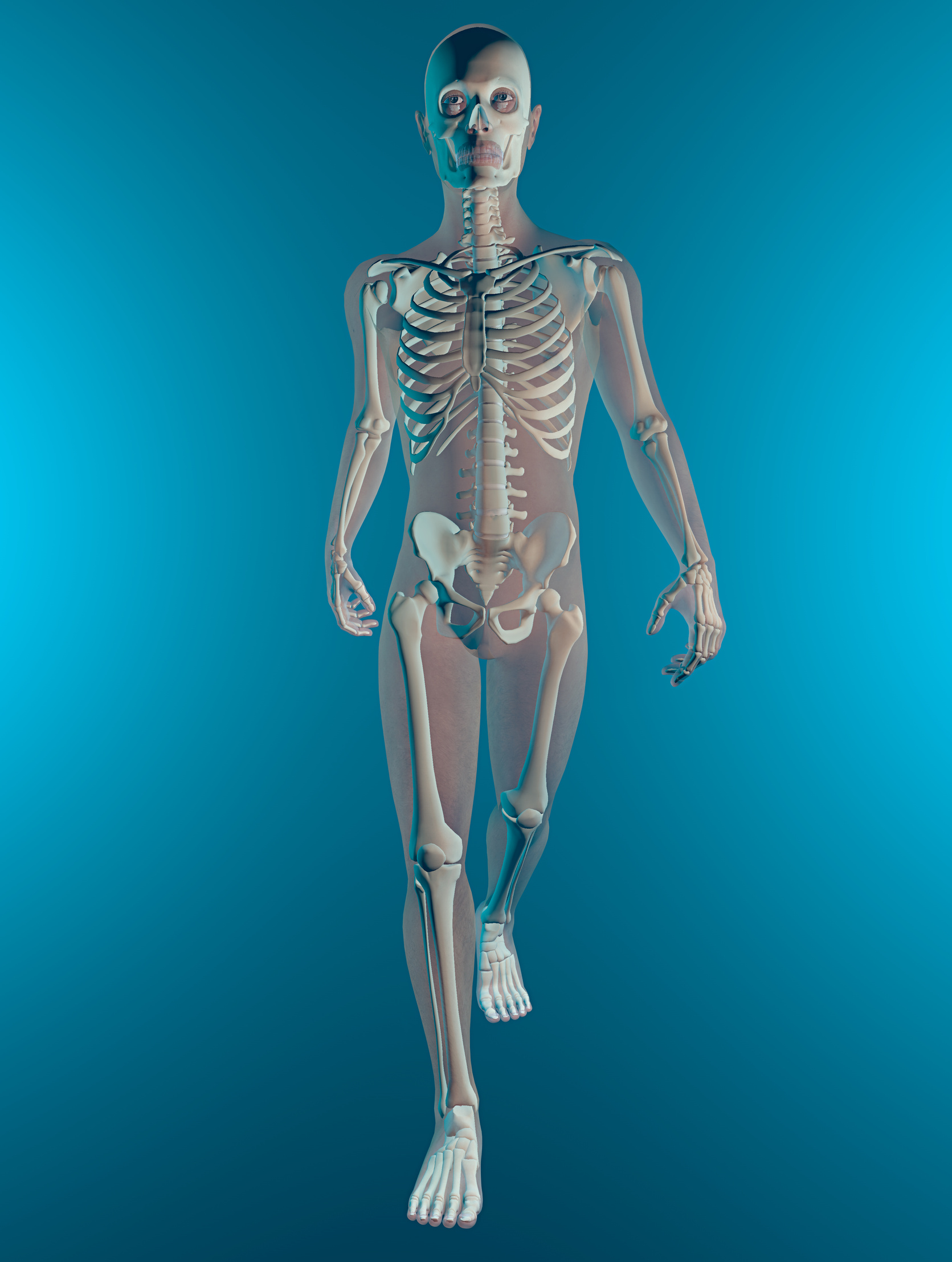
Postural restoration recognizes the unique asymmetry of the human body, whose intricate neurological, respiratory, circulatory, muscular and ocular systems differ on each side of the body. It is these differences, in fact, that work to balance the body — for instance, the torso is balanced with a liver on the right and a heart on the left.

Through exercise programs, therapists such as James who are trained in postural restoration are able to identify and correct imbalances that may result from the dominant overuse of one side of the body and the resultant system overuse on the other. These therapists also understand how the two hemispheres of the brain affect the balance of the body and incorporate reciprocal function to balance muscle activity around the sacrum (pelvis), the sternum (thorax) and the sphenoid (middle of the head).

To learn more about postural restoration, please visit http://www.posturalrestoration.com/.