Our Newest SPARC Award Winner!

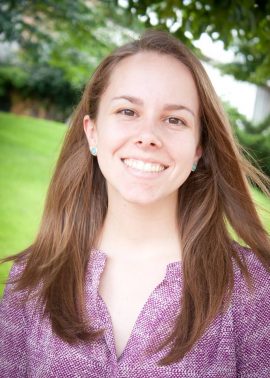
Congratulations to our newest SPARC Award Winner, Hannah Ruth Downing, SLP Student at Sacramento State University, Grad Date 5/19/2019

Read her Winning Essay Here:

“What do you want to be when you grow up?” is the question I was continually asked as a child. Being raised in the Filipino culture, one is expected to become a nurse, doctor, or have almost any job relating to the medical field, but this did not seem like something I wanted to do. From a young age I enjoyed the idea of becoming a teacher. As I grew older I tutored elementary students at a local middle school, and there my ardor for helping kids increased. The thought of becoming a teacher continued to linger in my mind, but the voices of others encouraged me to choose otherwise. Going into college, I chose to pursue occupational therapy due to the fact that it was in the medical field, and I could specialize in pediatrics. However, I quickly realized that occupational therapy was not the career choice that suited me best. I then stumbled upon speech pathology. This career field had both aspects that I was looking for, teaching kids while being in the medical field. The classes I began to take and the volunteer work that coincided, sparked my interest.

Having finished my first two semesters in the communication sciences and disorders major, I was taught the basics such as the anatomy that is used for speech and swallow, language disorders in children, how effects to the brain can disrupt the language process, and various other topics. I soaked up the majority of the information given to me by my professors and I enjoyed learning everything, but by putting the knowledge I had obtained, over the two semesters into practice, I was enabled to truly comprehend the things that were taught to me.

During the first two years in college I was a childcare attendant at California Fitness. I was able to observe and interact with typically developing children, and with the knowledge I held at the time, I was able to distinguish kids that incorrectly produce sounds that were typical for their age and others who could not. This was the first encounter where I was able to practice what I had learned. This aroused my desire to learn more in order to implement the information I was attaining, so I decided that I needed more exposure to the field that I was working towards. During my third year, I got hired at Genesis Behavior Center as a behavioral therapist working with children with autism. This job has allowed me to apply a lot of the information about autism that was taught by my professors because a lot of the clients on an SLPs case load are on the spectrum. The most impactful thing that I have obtained, as well as what has driven me to learn more from being a behavioral therapist, is the struggle of communication that someone with autism faces. As a behavioral therapist, I have to train my clients how to communicate their emotions in the most effective way. In training a child with autism, how to do this can be complicated and it can take weeks, months, or even years to accomplish. However, when the child finally understands that when they are mad the inappropriate thing to do is throw a chair across the room, and instead they can simply state that they are mad and take some deep breaths to calm down, this is the moment that brings me so much joy. I have learned that communication is extremely important, and when communication is hindered, by a developmental disorder like autism or aphasia from a stroke, it can cause a copious amount of stress on the person with a disability as well as the people around them.

Working at Genesis reaffirmed my love for working with children, and although my passion for helping kids had increased, I still needed to gain experience by working with adults. I began getting involved with several organizations such as Elk Grove Adult Community Training (EGACT) and Training Toward Self Reliance (TTSR) where they both work with adults with developmental disabilities such as Down’s Syndrome, cerebral palsy, or autism, Head Trauma Support Program (HTSP) where they work with clients who have had a traumatic brain injury, and lastly stroke support group. Volunteering at these organizations was an immense revelation that left me heartbroken. There were two paramount concepts that I gained from my experience, first was the fact that kids grow up. I knew that kids obviously grow up, but I forgot that even though they get older their disabilities do not disappear. There is so much focus on early intervention, which is not a bad thing, but people often forget that adults with disabilities still need guidance and assistance. I was so happy to see day centers like EGACT and TTSR assist adults with disabilities go to and interact with each other as well as guide them so that they can continue to be a part of society regardless of their condition.

The second concept was the fact that before the patients had a stroke or TBI, they lived functionally. When going to HTSP meetings I noticed that a lot of the clients had tattoos. In order to get those tattoos they had to have the ability to make the executive decision to get something that would be permanently on their body, however, when you see them now they cannot even form a sentence, let alone a word. I realized that a lot people that encounter patients with TBIs or strokes were treating them as a person with a disability, and not just as a person. We often forget they used to have normal lives and were capable of accomplishing daily tasks themselves, and that they are just working to get back to what they remember as normal. One of the patients at the stroke support group meeting stated that, “It was like tracing out your ABC on the wide rule paper like you were in kindergarten again, but in kindergarten I probably did it better. I have to learn everything over like I’m a child.” This statement impacted the way I saw patients that had gone through a stroke or TBI. It made me realize how frustrating ever day must be for them, and going to school to potentially become someone that could help them try to get back to living functionally really encouraged me. Even though my passion is working with children, volunteering at these organizations has not only opened my eyes to many misunderstood concepts, but it has also driven me to want to understand and learn more about working with adults.

Overall, the classes I have taken for communication sciences and disorders, have aided me when I am volunteering. It allowed me to understand the absence of pragmatic skills in kids with autism, and the many different aphasias one can experience after enduring a stroke. I can easily see and pinpoint things I am learning in class to what I experience as I work and volunteer. I am aware that I still have so much to learn because even though with all the knowledge I have obtained, I continuously ask myself questions when I encounter certain situations. These questions can only be answered as I learn more, which has driven me to want to continue in my education. This scholarship money will allow me to further this desire of learning in order to gain more experience, enabling me to treat my future clients with the utmost excellent care they deserve.
A Season of Change

By Deb Bielek, Therapy Education Resource

SUMMER!! It’s the season of the year when we celebrate sunny days, spending time at the beach or outdoors boating, camping, barbecuing with family and friends and we plan family vacations, while the kids are on break from school. For those of us who serve as therapy and nursing providers in skilled nursing, summer also carries with it another meaning. Each year and usually on the last Friday in April, the SNF Notice of Proposed Rule Making (NPRM) is made public by the Federal Government. While we often have ideas about some of the proposed regulations we may find in the NPRM, we also eagerly await the public notice so we can dive in to see if it contains any surprises. We then spend time processing, analyzing and putting together thoughtful comments for the Federal Government to consider before releasing the SNF Final Rule, which is typically published sometime in August. The Final Rule directs our next season of reimbursement and regulatory requirements.


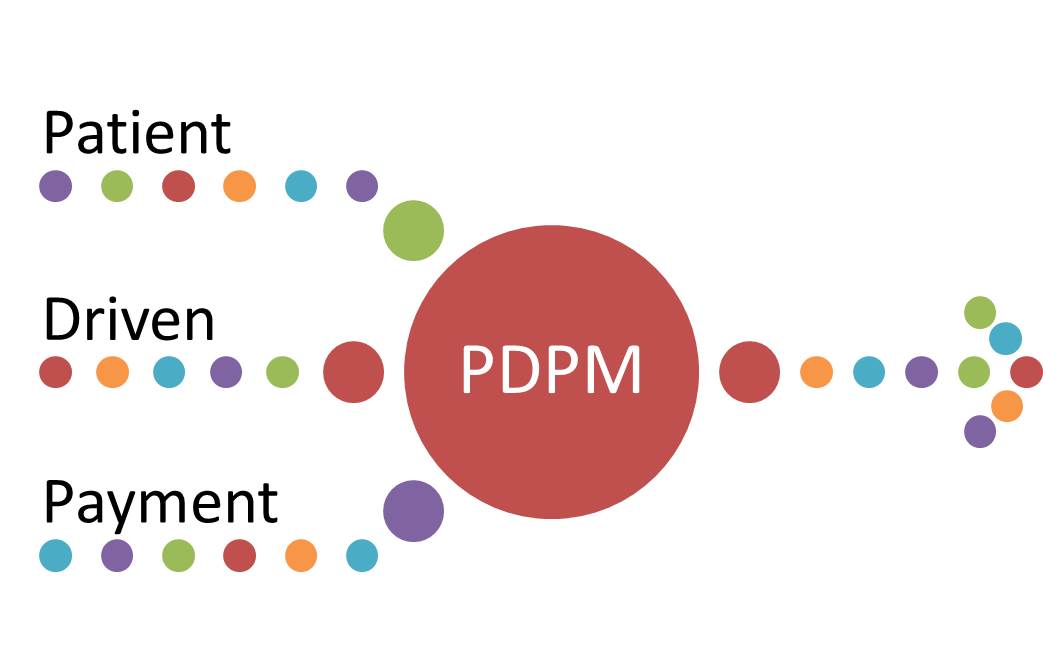
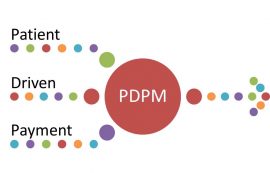
The proposed rule Fiscal Year 2019 has been considered by many to be the most anticipated rule proposal since the introduction of the Medicare Prospective Payment System in 1998. The NPRM was released to the public on Friday, April 27, 2018, and introduced us to a new payment model entitled, the Patient Driven Payment Model (PDPM), which is suggested in the rule to become effective in October 2019.
CMS Administrator, Seema Verma, describes the proposed rule in this way:

“We envision all elements of CMS’ healthcare delivery system working to reward value over volume and decisively focus on patients receiving quality care from their Medicare benefits. For skilled nursing facilities, we are taking important steps through proposed payment improvements that will reduce administrative burden, and foster innovation to improve care and quality for patients.”

CMS further describes PDPM as an innovative new system for SNF payment that ties payment to patients’ conditions and care needs rather than volume of services provided. PDPM is proposed to simplify complicated paperwork requirements for performing patient assessments by significantly reducing the MDS reporting burden. The proposed new PDPM is designed to improve the incentives to treat the needs of the whole patient, instead of focusing on the volume of services the patient receives. This approach advances CMS’ efforts to build a patient-driven healthcare system beginning with innovation throughout Medicare’s payment systems.

We recognize that under the newly proposed SNF case-mix model, skilled nursing facilities which offer services tailored to individual patient conditions rather than the specific individual services provided by the SNF will become most important. You will want to think more about the outcomes you achieve when treating a patient who has had an acute neurological condition, for example. Do your patients go home more often? Do they improve more significantly? Do they stay free from readmission to the hospital longer after discharge from the SNF? If this model becomes the final rule, data such as this will be more accessible to your patients, allowing them to be more informed as they evaluate their options for post-acute care.

As an industry, we have opportunities to be the setting of choice under a value-based model, but we MUST continue our focus on providing interdisciplinary, patient-centered care, while measuring and analyzing our results, and making adjustments where needed. Standardized Tests, interdisciplinary communication, CARE & NOMS data (Section GG), evidence-based practice, reducing re-hospitalization through predictive assessments such as the LACE Tool, better discharge planning and enhanced patient engagement are all the keys to success as the Improving Medicare Post-Acute Care Transformations Act of 2014 continues to make its IMPACT through rules refinement. How will you and your program continue to be the provider of choice in the Healthcare Communities where you operate this summer and all year long—Best in the World!

Compliance Corner

Your Friendly Neighborhood Compliance Partner

By Billye J. Lee, PT, GCS, RAC-CT, Therapy Compliance Partner — Keystone

My family recently went to see the new “Avengers” movie, being Marvel comic fans and all. Action flicks are a rare treat for our busy family, and the latest in the series did not disappoint. In one intense scene where young Spiderman decides he will stay and fight alongside his team, he states, “You can’t be a friendly neighborhood Spiderman if there’s no neighborhood!” Now, I’m not saying Compliance is nearly as cool as Spiderman, but I would agree with his premise: We are nothing without those we serve.

This statement is so true throughout our Ensign family and is a common thread within our CAPLICO culture. Without our employees, there would be no “who,” no bus to drive. Without our residents, there would be no purpose or “what,” no mission. And for Compliance, without our facilities and markets, there would be no team, no momentum.

As much as I would love to get high-fives, slow clapping and gasps of relief when I enter a building (Yay, Spiderman is here!), I know in reality, Compliance visits are not always joyous events. However, we would love to challenge that perception! Yes, it can be uncomfortable “turning over rocks and looking at the squiggly things,” but identifying our risks keeps us tethered to our process toward greatness. You see, we are on the same team! We love our markets, buildings, resources and staff members. We want to help you achieve your goals and add value to your systems. Being sustainable in a competitive industry means we have more time together to do what we are most passionate about.

Although Audits, IRO support and Investigations are critical to our role, Compliance can also provide education, in-services, clarification, observe meetings, answers to questions, and assistance with goals — dare I say, it can be the web that pulls it all together. As service providers, please reach out to your Compliance Partners if you need us or have questions. Even if you don’t have questions, but would like more information about a Compliance topic, please don’t hesitate to contact us. If you’re not sure who your Compliance Partners are, you can locate us on the Portal, under Compliance, at the very bottom of the page, at “Compliance Contacts.”

-“Greatness is not a matter of circumstance. Greatness is a matter of conscious choice and discipline.” Jim Collins ..OR, “Remember, with great power, comes great responsibility.” Uncle Ben

Congratulations SPARC Award Winner Sarah Gromko!

Essay By Sarah Gromko, SLP Student, Southeastern Louisiana University, Grad Date: 7/2018

Music and language both are universal and innately human, develop at the same time, and are culturally dependent. Speech, in particular, utilizes pitch, rhythm, and timbre—all elements of music (Smith, 2011). Because of these significant areas of overlap, music and speech carry a natural relationship. But most obviously, music moves people. The right song can bring back the fondest of memories. Hearing the sweet sounds of the right melody can turn a hopeless situation into hopeful. Singing in particular, reverberates the music inside one’s body. In these ways, I hope to use music to spark energy, motivation, and happiness into the lives of my patients.
Throughout my life, I had cited music as my primary motivation. To declare allegiance to such an amorphous concept may seem frivolous to some, but without it, I may have lacked the basic skills needed for language reception or expression. Music was my childhood method for learning to read, speak, listen, and understand prosody. That knowledge of music’s importance was what spurred me to embark on my journey to pursue a master’s in communication sciences and disorders. Only now, however, am I being shown how my lifelong endeavors in music, specifically my vocal training, can benefit a much larger population through clinical application of evidence-based research and expanding on that research in my own clinical studies.

Much of my early comprehension of vocal therapy was limited to my formal training as a singer. When I began working as a choral conductor, I started to discover my passion for teaching those skills to others. Training others then piqued my interest in the field of speech-language pathology but, with an almost exclusively music background, I had little exposure to its other applications. As I enthusiastically explore the vast field, I am becoming enlightened to how vocal therapy (and many other music-based therapies) can positively affect the lives of patients with neurological disorders, cancer patients going through radiation, children with language delays and disorders, and so many more. This exploration took a turn when one of my professors pulled me aside one day. She was well aware of my eagerness for a research project and suggested that I investigate music use in speech-language pathology interventions. “On my own?” I asked. I felt I had been thrown into deep waters. “Yes,” she said, “there is a conference in our city this summer. Why don’t you submit a proposal to present a poster?” I somewhat bemusedly took her suggestion and submitted a proposal for a systematic review of all therapies in the vast field of speech-language pathology that use music. Much to my surprise, my poster was accepted to be presented at ASHA Connect in New Orleans. “Oh no! Now I have to do the research!”

Over the spring and early summer, as I pored over hundreds of articles, I learned just how many aspects of our field are benefitting from music. Pandora’s box was opened and my view of therapy expanded. The more research I read, the more I wanted to know. Yet the more I wanted to know, the more I realized how many different etiologies and service delivery areas were not being studied with music interventions. I decided that my mission going forward was not only to often incorporate music therapies I read about as appropriate for my clients, but to further the research in the therapy room. In fact, when I presented my research again, in a flash presentation at ASHA 2017, that was my call to action.

My education and training will be a spark in the lives of my patients both directly and indirectly: in the therapy room;and by turning the spark into a fire with research that can be used by others to spark lives of their patients. My first opportunity to try some research-based therapies came in my first field-based clinical placement: The Bright School, a pre-school for deaf children and children with hearing impairment and language delay. I began to use a general music therapy program that Kaplan originated in 1955 with children with hearing impairment and speech delay. By listening, singing, and playing songs, one of the children in particular has responded well by demonstrating expanded utterances and improved intelligibility.

Another early, yet effective study was done by Deutsch and Parks in 1978. It used contingent music to set routine. Two of my autistic clients are especially enamored by music, and it has served as a calming effect and incentive to focus on specific therapy goals. I hope before the semester is over to use some research by Katongo and Ndhlovu (2015). These researchers used singing simple songs to increase speech intelligibility in 60 children with post-lingual hearing impairment. They found that not only did it improve speech intelligibility, but also motivated the children during speech drills.

Next semester, I will be placed at Ochsner’s Voice Center in New Orleans. This is the placement I have been waiting for since starting the program. It is what most directly brought me to speech-pathology and hopefully the area in which I will continue. Nine of the studies in my systematic reviews covered voice interventions with music, and I hope to try them while there with willing patients. One of them in particular (Vatanasapt, Vatanasapt, Laohasiriwong, & Prathanee, 2014) is for patients with laryngectomies to increase utterances using esophageal speech. It incorporates music with movements and breathing and had a 75% success rate with 16 patients.

Neurogenics is another area that interests me greatly, specifically aphasia. Music Intonation Therapy was developed by Albert, Sparks, & Helm (1973) and utilizes music skills in the complementary right hemisphere to compensate for damage to the language center of the left hemisphere. It melodizes speech in order to elicit utterances and gradually is faded out until speech has returned. To witness this much-researched and tear-jerking therapy, let alone practice it, would be a life changer for the clients and myself. Another therapy I hope to do if I am placed with adults with aphasia is to start an aphasia choir. I would be able to use the techniques outlined in the literature (Tamplin, Baker, Jones, Way, & Lee, 2013) and marry it with my choral background in order to bring purpose, challenge, joy, and semantics to the lives of those I would serve. Of course, there are many other therapies (89 total, to be exact) that showed positive effects of music in speech-language pathology interventions. I hope to use many of them as I embark on my career and gain experience.

Though there are many therapies to choose from the research, there were several aspects of speech-language pathology that did not exist in the literature. My goal is to fill in some of the gaps and educate others on what to research in order for our clients to be served with spark-inducing music. When using ASHA’s list of realms of service delivery (http://www.asha.org/policy/SP2016-00343/#Domains), the areas of feeding and swallowing, fluency, resonance, and elective therapies all could benefit from more research. Language was a domain that was generally well-represented in the literature, but morphology and paralinguistic communication were each only studied once in the early 1980s. I have several thoughts on how to fill these gaps.

It may seem counter-intuitive to facilitate feeding and swallowing with music, since mature humans cannot sing and swallow simultaneously. But the use of background music has been used as early as 1969 by Carol Traub. Outside of speech-language pathology, in 2008, an article was published entitled “Sound Level of Environmental Music and Drinking Behavior: A Field Experiment with Beer Drinkers” (Guéguen, Jacob, Le Guellec, Morineau, & Laurel). It determined that the louder the music in a bar, the faster and more quantity was drunk by an individual. It could be implied from this study that calming music may have a more controlled effect on the swallowing of dysphagia patients, but only more research could solidify that hypothesis.


Only one therapy involved music for intervention of fluency. Chenausky, Kernbach, Norton, and Schlaug (2106, 2017) recently published two studies using Auditory Motor-Mapping Therapy, which is an intonation-based treatment originally intended to improve fluency in spoken output. The recet studies on that particular therapy (although only one covered fluency) gives hope that more studies are forthcoming, but there should be more therapy options to investigate for fluency clients. Even the use of video games similar to Guitar Hero could motivate clients while regulating their fluency.

Thirdly, there were many studies done using vocal therapy, but few covered resonance explicitly. Besides focusing on resonance issues in normal repertoire of the singer, instrumental and vocal music may be considered as models for mimickry. For instance, a comparison between the perceived nasality of a clarinet sound versus that of a violin could serve as qualitative tools for singers and non-singing voice clients, alike to model, since speaking and singing output is so heavily dependent on perception. Based on the list of ASHA’s specified elective therapies (transgender communication, preventative vocal hygeine, business communication, accent/dialect modification, and professional voice use), only transgender communication has been studied (once) with music. Business communication and professional voice use may benefit from using musical soundtracks in preparation for negotiations or speeches, and accent/dialect modification may benefit from a common choral technique of vowel modification used in singing.

Finally, as discussed earlier, language and music go hand-in-hand. It can be broken down into elements in much the same way. For instance, a morpheme may coincide with a musical note, semantics may pair with a musical measure (a series of notes separated by bar lines), and semantics may be seen as a musical phrase or sentence. For this reason, a study on morphology may benefit from assigning each morpheme a note when teaching language. Furthermore, since paralinguistic communication (signs, gestures, and body language) is not only used by the deaf and those with hearing impairments, musical phrases may be used in conjunction with a series of gestures, for instance.

In the words of the old hymn, “it only takes a spark to get a fire going.” I hope that one spark instilled in a patient from any of these techniques will set afire the souls of my patients and spread like wildfire to their loved ones and the others around them. Mahatma Gandhi exposes my selfishness in his words, “The best way to find yourself is to lose yourself in the service of others.” My choices for service are both metaphorically and literally to give voice to the voiceless. There is nothing else I have ever sought with such longevity. I will continue to light the industry through using evidence-based research and adding to the literature for others.

References:

Albert, M. L., Sparks, R. W., & Helm, N. A. (1973). Melodic intonation therapy for aphasia. Archives Of Neurology, 29(2), 130-131. doi:10.1001/archneur.1973.00490260074018

Chenausky, K., Norton, A., Tager-Flusberg, H., & Schlaug, G. (2016). Auditory-Motor Mapping Training: Comparing the Effects of a Novel Speech Treatment to a Control Treatment for Minimally Verbal Children with Autism. Plos ONE, 11(11), 1-22. doi:10.1371/journal.pone.0164930

Chenausky, K., Kernbach, J., Norton, A., & Schlaug, G. (2017). White Matter Integrity and Treatment-Based Change in Speech Performance in Minimally Verbal Children with Autism Spectrum Disorder. Frontiers In Human Neuroscience, 111-13. doi:10.3389/fnhum.2017.00175

Deutsch, M., & Parks, A. L. (1978). The use of contingent music to increase appropriate conversational speech. Mental Retardation, 16(1), 33-36.

Guéguen, N., Jacob, C., Le Guellec, H., Morineau, T. and Lourel, M. (2008), Sound Level of Environmental Music and Drinking Behavior: A Field Experiment With Beer Drinkers. Alcoholism: Clinical and Experimental Research, 32: 1795–1798. doi:10.1111/j.1530-0277.2008.00764.x

Kaplan, M. (1955). Music therapy in the speech program. Exceptional Children, 22112-117.

Katongo, E. M., & Ndhlovu, D. (2015). The Role of Music in Speech Intelligibility of Learners with Post Lingual Hearing Impairment in Selected Units in Lusaka District. Universal Journal Of Educational Research, 3(5), 328-335.

Smith, R. S. (2011, October 4)). Speech-Language therapy and music therapy collaboration: The dos, the don’ts, and the “why nots?” log post] Retrieved from

http://blog.asha.org/2011/10/04/speech-language-therapy-and-music-therapy-collaboration-the-dos-the-donts-and-thewhy-nots/

Tamplin, J., Baker, F. A., Jones, B., Way, A., & Lee, S. (2013). ‘Stroke a Chord’: The effect of singing in a community choir on mood and social engagement for people living with aphasia following a stroke. Neurorehabilitation, 32(4), 929-941.

Traub, C. (1969). The relation of music to speech of low verbalizing subjects in a music listening activity. Journal Of Music Therapy, 6(4), 105-107.

Vatanasapt, P., Vatanasapt, N., Laohasiriwong, S., & Prathanee, B. (2014). Music Speaks the Words: An Integrated Program for Rehabilitation of Post Laryngectomy Patients in Khon Kaen, Thailand. Music & Medicine, 6(1), 7-10.

Emergency Fund Spotlight

The Emergency Fund

This week the Emergency Fund helped one of our wonderful employees in Utah whose husband died tragically in an accident, leaving her and their six children with minimal support. The fund helped the family with necessities through their very difficult time.

The Emergency Fund has helped over 2,700 of our Ensign-affiliated team members. To give hope and show your commitment to our core value of “Love One Another,” please contribute by visiting www.theemergencyfund.net or contacting your HR/Payroll department.

Emergency Fund Spotlight

The Emergency Fund
 
This week the Emergency Fund helped one of our outstanding dietary aides in Arizona who was going through a hardship after suffering from heart failure. The fund helped his family with rent and necessities through their difficulties.
 
The Emergency Fund has helped over 2,700 of our Ensign-affiliated team members. To give hope and show your commitment to our core value of “Love One Another,” please contribute by visiting www.theemergencyfund.net or contacting your HR/Payroll department.
SPARC Therapy Scholarship

Congratulations to SPARC Winners Corinne McGownd and Colleen Fitzgerald!

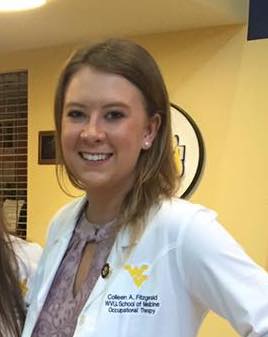
Congratulations to our SPARC winners (Corinne McGownd) and runner-up (Colleen Fitzgerald)! The judges felt their awesome essays below demonstrated they were both very special people.

Corrine McGownd, SLP, Saint Louis University, Grad Date: 05/18/2018

My grandparents are in their late 80s and every day I am able to witness them show their love to each other as well as to others. Over the years, my grandparents have taught me compassion, putting others first, and being able to laugh even when things aren’t going my way. Everyone has something to teach no matter their age, cognition level, or disability. It is important to create an environment that provides people the ability to show their strengths while maintaining a positive attitude in order to increase their quality of life. When I am able to start practicing speech pathology, I plan on using my passion for helping others and learning to aid in increasing patient’s well-being in all aspects of their lives.

The most important thing I have learned from my academic coursework is to assess and treat patients with regards to their whole person and not to the disability. Speech therapists are treating the whole person during therapy, not just the disability; therefore, that is how assessment and treatment should be set up. I have seen this action while at my clinical practicum sites over the past year. I am currently at a specialty school for children on the autism spectrum. Although this is not a skilled nursing facility, I believe that these concepts can be transferred to any setting. At the school I am working in, the interdisciplinary care meetings about the each student are done on a regular basis. As a representative of speech therapy, I do not just discuss the student’s speech therapy goals within the meeting, but how the student is doing overall when I see him or her: transitions, overall attitudes, the conversations we have that don’t revolve around speech, and the generalization of what we are working on to other areas of the student’s schooling. The main goal of those meetings are to assess where the student is and how the team can best fit the needs of the student to improve his or her overall school experience.

Now translating this to a skilled nursing facility, I hope to be able to take an interdisciplinary approach by focusing on how the team can best increase the patient’s quality of life in all areas. Instead of simply working on word finding with the patient only in the context of their room, for example, speech therapy could focus on word finding in everyday activities: dining hall, getting dressed, communicating with nurses and family, or participating in desired activities. By working with other therapies and professionals, I will be able to assist the others on the team to provide best care for the patient that extends beyond the therapy room. Working on an interdisciplinary team also requires learning. I am eager to learn from my colleagues about best practice in their specialties and individualized patient care in regards to a specific patient in order to treat the whole person. Interdisciplinary care meetings would not be beneficial for the patient if there was no learning involved between the professionals. By learning from others, all professionals will be on the same page as well being able to provide the best care for the patient as possible.

In addition to learning from professionals, I envision myself learning from the patient themselves in order to contribute to their well-being. In order to provide patient centered care, it is important to learn what the patient wants to accomplish, what their abilities are, and what they are interested in. For example, my grandmother really enjoys playing golf. If I were to do speech and language therapy, I would want to learn from her about the difficulties she may be having when golfing in relation to her communication. By working on those things to increase her golf experience, whether that be socializing with the other players or being able to keep score, her quality of life in regards to her activities will increase because I spent the time to listen and learn from my patient. In addition to learning from others, I envision myself being a life-long learner. Through my schooling, I have always been curious and gone the extra step to understand the why behind doing something. By understanding why a therapy technique works and who it best works for, I would ultimately be increasing the patient’s therapy successes because I would be able to use evidence based practice when designing therapy plans.

I was fortunate to attend the American Speech-Language-Hearing Association annual convention this past November. While there I witnesses professionals of all levels of experience learning from others. They all had the same goal in mind: to learn and take back the new evidence to incorporate into their therapies with their patients. What a wonderful experience to witness! People from all over the country with the same passion! By keeping up with the research and the new therapies, I will be able to provide the most updated evidence based practice to my patients.

Learning is a passion of mine. Throughout my childhood, my grandfather taught me how to play basketball and the dedication it took to develop a skill. My grandmother taught me how to play cards and the patience it takes to play with others. Throughout my academic career, my professors have taught me how to look at the whole patient and how to critically assess evidence. Throughout my clinical placements, my supervisors have taught me how to use compassion with every patient. My patients have taught me how to really listen and look at the big picture. I hope that I can take all of these life lessons over the years and apply them while working with my patients. Every opportunity presents with a learning experience. Whether that opportunity involves working with a patient, sitting in an interdisciplinary care meeting, or independent learning about a specific treatment technique. Being able to recognize what that experience is teaching me is the first step. Then being able to take that experience and apply it to future experiences is the important next step. Without applying what is learned, then no one benefits. Ultimately, the end goal is to enhance the well-being of every patient. With that goal in mind, learning is a must in order to assist that patient in what they need to contribute to their quality of life. I want to make a difference in every patient I work with. In order to do that, I need to listen and learn from the team members and their expertise, the patient and their desires, and the others in my field and the ever growing knowledge base they present with.

Colleen Fitzgerald, OT, West Virginia University, Grad Date: 05/13/18


E.D. Nixon once wrote, “Your spark can become a flame and change everything.” As an occupational therapy student, I feel that this quote is important because as OT’s we enable our patients to light their spark in order to bring back meaning to their lives. Once we light that spark for our patients it opens many doors for them. This may give them the motivation to work towards their goals and get back to their normal lives. Throughout the therapy process we collaborate, using our knowledge and our patients needs and interests, to get them back to where they want to be in life.

For example, this past summer I was treating a patient during my fieldwork that was very down. She was not allowed to bear weight on her left leg because of a surgery that she just had. She was not motivated to get dressed in the morning or shower. I began to ask her about herself and what was important to her. She stated that she felt uncomfortable being in the therapy gym without makeup and did not feel like herself. I had her family bring in some of her makeup and scheduled her therapy in the morning. I would have her practice transferring to the sink and keeping weight on only her right leg as she applied her makeup. This was a more meaningful way of increasing her balance, strength, and endurance that she needed to complete her daily occupations. Incorporating something that she loved to do enabled her to recover.

Along with this experience, I had many more this past summer while on my first level II fieldwork at Health South Rehabilitation Hospital. I was able to see how I will be using my knowledge and education in the future to better patients and allow them to become independent. Really listening to patients and using your therapeutic use of self is a great way to get to know your patients when you first start to work with them. There were many cases that if I hadn’t taken my time to get to know the patient I would have never figured out what some of their barriers were to a safe and independent discharge. I feel that with my education and my upcoming fieldwork, that I will be able to understand patients and work with them to meet their goals in the future.

I feel that I was very fortunate to go away to good school, better my education, and get into a great OT program. These past few years, I have taken every opportunity that is placed in my path to improve upon myself and the care that I will be giving to my patients. Throughout my time as an OT student and my fieldwork experiences, I have learned that the most important thing is to be patient and create good rapport between you and your patients. Once you have a good relationship with the patient, they will trust you and open up about other troubles or barriers that may be preventing them from reaching their goals. When working with patients, I feel that the three most important traits to have in order to become close with them and really understand what is going on in their lives is compassion, empathy, and patience. This will allow for your interventions to be holistic; meaning the physical, mental, and emotional aspects of the person are all taken into consideration.

One specific setting that I recently found interest in is the mental health and homeless population. This is considered non-traditional OT, but still views each patient holistically. I was fortunate enough to have one of my level one fieldwork’s at a mental health/homeless drop in facility in West Virginia. This experience really opened my eyes to the stigma that individuals with a mental health illness face. Every day we would complete some sort of art activity or have a music group to relax and then have a discussion group. Getting to know these individuals and help them work toward or reach their goals was something that really interested me. During my time at the facility, I was able to work with many individuals and figure out what I could leave them with that would best help them. I was able to put together a portfolio to assist them in getting a job, including things such as how to make a resume, what to bring to an interview, mock interview questions, how to manage money once getting a job, etc.

I am glad that I am already beginning to see the impact that I have made on some of the patients that I have worked with. I realized this almost immediately at each of my fieldworks. Seeing such amazing results before I even graduated was a great feeling. Knowing that I am able to help and possibly change someone’s life is very rewarding. Every day my passion for OT is growing and allowing me to learning new things. Along with my love for working with patients, I am very interested in reading articles regarding OT practice. Every night I try to research some of the newest information for evidence based practice. I try to do this because no matter what setting I am in I am going to get thrown in situations. Even if I am not an expert at something, having some knowledge about the situation can help. Finding this information and using it with my patients will allow me to give them the best care possible. Getting in a habit of doing this will increase my knowledge and quality of care for my patients.

As I watch each patient that I work with grow, I always think back to where my passion for OT started. When my younger cousin was born she was diagnosed with Down’s syndrome. She eventually began to receive OT and I would sit in on some of her sessions. I had to opportunity to watch how OT changed my cousin’s life and this was very inspiring. Her OT was extremely knowledgeable and humble throughout the entire process. I immediately aspired to be just like her. I began shadowing in multiple settings to see if I really did love OT. I continued to shadow for a few years and my love grew. I eventually got into WVU’s OT program and have continued to gain knowledge on how to help our patients. I can only hope that one day someone’s family has the same feelings towards me just like my family did for my cousin’s OT.

North Mountain Medical and Rehab Introduces “The SPOT”

The North Mountain Therapy Department specializes in Pulmonary Rehab, encouraging a multi-disciplinary approach to meet our respiratory patients’ goals of being decannulated, which typically is dependent upon the patient’s ability to return to a regular diet. In an effort to contribute to the greater independence of our patients, the Therapy Department created the SPOT (Speech Pathology Occupational Therapy), a holistic approach to a specialized dining experience to facilitate independence with safe swallow techniques and self-feeding.
The SPOT is a private, home-like, therapeutic dining room that allows our speech therapists and occupational therapists to provide a specialized treatment to our respiratory patients. The SPOT provides a quiet area to concentrate on safe swallow techniques, facilitate functional positioning, assess for any adaptive equipment needs to enhance the ability of our patients to regain their independence and return to the community.

The SPOT includes a small ADL kitchen and is stocked with adaptive equipment for the patients to trial during meals including a deltoid aid, weighted/built-up utensils, specialized drinking cups, and divided plates/plate guards. Additionally, ST has a quiet environment to perform vital stim or cognitive treatments.

The SPOT dining: helping North Mountain serve up independence!

Submitted by Kelly Schwarz, DOR
North Mountain Nursing & Rehabilitation, Phoenix, AZ


Student Resource Manual for the Clinical Instructor

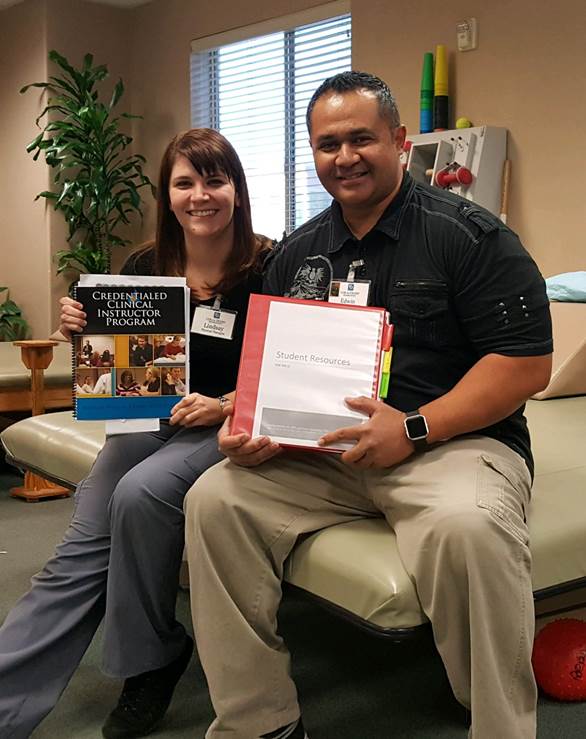
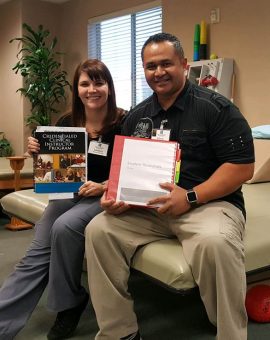
What was initially simply a continuing education experience for two therapists has inspired a brand-new program here at Coral Desert Rehabilitation. Recently, a Coral Desert physical therapist, Lindsay Rankin, and a physical therapist assistant, Edwin Stevenson, attended a course to become credentialed clinical instructors. They both enjoy having students, so they were excited to go. After attending the course, they came back with a desire not only to improve their own abilities, but also to help revamp the student program at Coral Desert.
The program was loosely managed before and not standardized from one therapist to the next, so the students often had varied experiences and subjective learning/feedback depending on the therapist. Lindsay and Edwin decided to set a BHAG together to create and implement a better student program based on the principles and recommendations of the course they attended.

With a lot of after-hours work and trial and error with a current student, Lindsay and Edwin were able to create a student resource manual for the clinical instructor. This manual is specific to our building, patient population, etc. and loaded from A to Z with information on how to properly supervise a student of any discipline. They didn’t stop there. They also created a manual for each incoming student, both a PDF file to have prior to arriving and a hard copy for when they get here for reference.

Once both manuals were completed, after many rough drafts, it was presented to our therapy team during an in-service to give an in-depth look at how to use this information and apply it when a student is assigned to a therapist. This has already proved to be valuable with our current students and should continue to be a great resource for students and therapists for a long time to come. Because we have seen a steady increase in the number of students coming to CDR in the past two-plus years, it is just what we have needed since our therapists are at varying levels of experience with having students. We already have seven students committed to CDR from now until November of next year! We are crazy excited about the Passion for learning combined with Ownership shown by our own therapy team, which saw the need and responded in a big way.

Submitted by Asa Gardine, DOR, Coral Desert Rehabilitation, St. George, Utah

Congratulations to Our Newest SPARC Winner!

Congratulations Kristi Crozier, our Newest SPARC Winner!
Kristi is an OT student at Midwestern University in Glendale, AZ and will graduate in November 2017.

Read her awesome essay here:

As a wilderness therapy guide, I camped in the high desert with at-risk teenage students and taught outdoor survival skills. The most difficult and rewarding skill I taught was making matchless fires using bow drills. The process began by helping students search for the tools needed to create a spark: a straight stick and string for a bow drill, a flawless log for a fire board, dry grass for tinder, and a notched rock for a socket. Using these tools, the students learned the techniques to create fire and began to practice. The process was extremely challenging and weeks of bow drill practice typically yielded only bruised fingers and tears of frustration. However, the students’ frustration melted away when they were able to properly align their tools, find a rhythm, and persevere until they created heat, then smoke, and finally a tiny, glowing ember. Even the most reserved students celebrated and proudly proclaimed their accomplishment to the world when they created a spark. The creation of this spark was significant event and marked the first major step in each student’s journey of transformation and healing.

The creation of a spark, whether physical or metaphorical is a difficult process which yields great rewards. As an occupational therapist, I want to help my clients by creating sparks inside them that can generate blazing fires of achievement and wellness. I will use my knowledge and training from a rich variety of life experiences to help my clients by providing tools, knowledge, and support to ignite sparks of independence, understanding, and hope. Helping others has always been rewarding for me and I relish the satisfaction that comes from doing something for a person that they cannot do for themselves. However, I have learned through my training that the true purpose of therapy is not to help others by doing things for them, rather, it is to provide individuals with the tools they need to spark their own successes. I recently achieved this with a client during a clinical rotation. My client had a goal to live independently in her home but was challenged by a lack of active finger flexion which prevented her from grasping items. Using my training in orthotics and assistive devices, I fabricated a glove with a fastening system that could be strapped to tool handles. This glove enabled her to use both hands to complete cherished gardening and yardwork activities. When my client used this glove to hold a broom and sweep the floor of the therapy room, her eyes glowed with pride. The use of this simple tool allowed her to independently participate in an activity that she was unable to accomplish before and she was elated by her increased independence.

Using this physical tool generated a spark of independence and pride in my client. However, it was not the most effective tool I provided. The most important tool I provided was knowledge. As I worked with this client exploring ways to use the glove, we problem-solved modifications to overcome barriers to many of her occupations. Using basic principles of activity modification and assistive equipment, we identified ways to increase participation in various tasks. As we worked, I helped her to understand principles that she could employ in a variety of situations to facilitate her independence. She was a willing student and soon reported using her new knowledge to create adaptations at home. This knowledge created sparks of innovation and which will fuel her independence for the rest of her life.

The example above shows the power of a spark of knowledge, but before that spark can be used, it must first be acquired. To ignite sparks of knowledge in future clients, I plan to use a model I learned as a PATH therapeutic horseback riding instructor: the “what, why, how” model. First, clients must know “what” they are supposed to learn. This involves using language appropriate to the client’s understanding to explain an overview of the concept. Next, a client must be told “why” this concept is important. This step is imperative to ignite a client’s motivation and gain their trust. The final step is to teach “how”, which is to teach the actual concept in an organized, stepwise manner. This process is meant to shed light on the motivational and practical aspects surrounding a concept in order to help clients be more accepting of new knowledge and facilitate a deeper understanding.
This method of teaching was crucial when I taught a horseback riding class for students with high-functioning multiple sclerosis. I taught clients to perform physically and emotionally demanding tasks by explaining the task and providing a “big picture” of what was expected. Then I gained their trust and “buy in” by teaching them why the task was important and why it would improve their performance. And finally, I taught them the specific steps needed to achieve success. Using this method, I saw greater motivation for change in my students. When they understood what they needed to do, why they should do it, and how they could accomplish the task, they were more willing to listen and follow my recommendations. As a result, my students received sparks of understanding which erupted into success both in the riding arena and in their daily lives. I plan to continue using this method to generate sparks of understanding in my future clients and help them on their path to success.

Before I can ignite sparks of knowledge and understanding in my clients, I must first ensure that my own fires are fueled by actively seeking opportunities for professional development. This spring, I was a co-presenter at both the national American Occupational Therapy Association conference and the Assistive Technology Industry Association. These experiences fanned my flames of knowledge and fueled my enthusiasm for professional growth as an occupational therapist. At these conferences, I shared knowledge with other professionals and learned a great deal from them in turn. My mind was expanded by new ideas, innovative products, and novel research. This knowledge was indispensable during my clinical rotations and I was able to use the ember set aglow by my experiences to enlighten the minds of clients and therapists with whom I worked.

While knowledge and understanding are key elements of change, they are of little use without the spark of hope, a belief that something good can come from one’s efforts. Rehabilitation is a difficult process that takes great toll on clients. The physical and emotional strain can reduce a client’s spark of hope to smoldering embers. As a therapist, it is important to possess genuine concern and use therapeutic interactions to bolster the spirits of clients and rejuvenate their hopes. I witnessed the importance of rejuvenating a client’s sense of hope during my medical mission to Guatemala. The patients I saw struggled with injury and degeneration resulting from years of manual labor. These good people were in great physical pain and were weary of fighting their conditions. With limited resources and a limited knowledge of the Spanish language, it was difficult to find ways to ease their pain. However, I found that I could perform a great service by simply lending emotional support. Through listening and demonstrating concern, I bridged the communication barrier to connect with my patients and renew their sputtering flames of hope. Watching the darkness of despair dissipate as clients perceived my genuine concern and accepted my meager assistance was a powerful experience. I hope to continue that same level of concern and therapeutic connection to spark hope in my future clients. Armed with knowledge, training, and a genuine concern for my clients, I will be a catalyst for change in the lives of my future clients. Just as I helped my students in wilderness therapy create physical sparks, I will use my knowledge and training to ignite metaphorical sparks of independence, knowledge, and hope for my future clients. By providing tools, knowledge, and support I will set the therapy world ablaze.