Congratulations SPARC Award Winner!

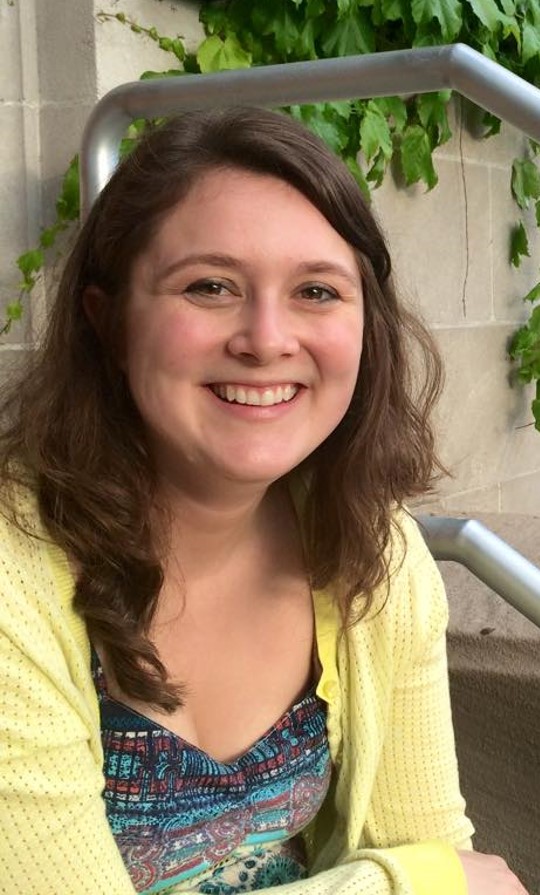
SPARC Winner croppedCongratulations to our newest SPARC Award Winner, Rebecca Stadler, who is studying Speech/Language Pathology at Marquette University, Milwaukee, WI. Rebecca graduates in May 2016. Read her winning essay below:

I was introduced to the field of speech-language pathology at a young age when my brother Bobby was born with cerebral palsy. From that day forward, I went along to countless doctors’ appointments, therapy sessions, and even day camps. I quickly grew into a wide-eyed five year old who asked Bobby’s neurologist about his brain scans and was shown around the clinic during his speech therapy session. My childhood observations contribute to my interest in communication sciences and disorders, and have begun to prepare me for my future as a speech-language pathologist.

I personally experienced language acquisition when I studied abroad in Granada, Spain, influencing the way I approach speech-language pathology. Along with working towards my Spanish major, I volunteered my time teaching science classes to Spanish-speaking middle school students. I facilitated the students’ first exposure to a new language by recapping the material they learned that week in English. I experienced a language barrier first hand through the students’ frustration in understanding the material, and through the challenge I faced working with their teacher who spoke solely Spanish. Ever since this unique experience of immersing myself in another culture, I have been eager to work with a diverse clinical population. My firsthand experience provided me with a unique point of view as I approach therapy with my own clients. My passion for learning the Spanish language and also learning about language development contributes to my ability to provide therapy that is the best for the patient’s wellbeing. I am eager to continue learning the most current evidence based practices to best meet the needs of my individual patients.

After my involvement with adolescents in Spain, I was eager to learn more about the research aspect of speech/language pathology. I began research as an assistant in Dr. Leann Smith’s Transitioning Together lab at the Waisman Center. I worked on the Transitioning Together project providing intervention and a support group for adolescents with autism spectrum disorders (ASD) and their families focusing on the transition after high school. In addition, I worked with CSESA (Center on Secondary Education for Students with ASD), which is a research and development project that supports optimal outcomes for students after graduation. By providing support as a leader of the teen intervention group, I put research into practice as I encouraged teenagers with ASD to set goals and plan for their future. Throughout my research experience, their robotic speech and inability to easily pick up on social cues became more apparent. I saw first hand that speech and language intervention is not only crucial early in life, but also for adolescents. As such, this area of research investigating new methods to evaluate and eventually treat adolescents with communicative disorders is one I would like to continue as a clinician. Clinically, I am drawn towards working with children and adolescents with social disorders, but have been exposed to a variety of other patient populations at Marquette University. My eyes have been opened to multiple methods for assessment and treatment and have given me insight as a clinician to always consider the patient’s functional outcomes. Everything I have learned over the last year has made the decision of where and with what patient population to work much more difficult.

In the Speech and Hearing Clinic at Marquette, I have worked with patients ranging from ages 2-65. My clients had diagnosis of aphasia, Down syndrome, autism, Dandy-Walker syndrome, cerebral palsy, and multiple disabilities. Collaborating with my supervisors, clients, and their families allowed me to take into consideration the patient’s diagnosis, abilities, and difficulties to create therapy activities that would lead the most functional outcomes for each client. My coursework and clinical experience over the last year have given me a unique perspective to take with me as I enter my second year as a graduate student. For example, I worked with 2 six year olds with autism spectrum disorders in a dyad therapy session and I used the current, evidence-based program, The Incredible Flexible You to teach and apply social skills necessary for their age. I planned lessons around the curriculum, modified the curriculum to meet each of their needs, and collaborated with my supervisor to create appropriate activities for each girl’s strengths and weaknesses. Their parents were extremely supportive and involved, so I created homework assignments and activities to use at home in order to see generalization of skills and to contribute to each girl’s well-being outside of the therapy room. With my one of my adult clients with aphasia, I discussed his goal ideas with him at the beginning of the semester in order to make sure I was working on his goals in therapy.

Over the last year, I have begun to understand that my client’s physical, social, emotional, moral and cognitive development influence learning as I was able to take this into consideration when working with all of my clients. I adjusted sessions when activities were too easy or too difficult and I modified materials that were not appropriate for individual clients. For example, with my 10 year old client with Down syndrome, I was able to recognize that further developing his expressive language would later lead to increased and more positive social interactions with peers to meet social and emotional needs. I was able to work with him to target appropriate conversations to be had and to include nonverbal communication to make sure listeners are aware he is attending to the conversation. I adjusted my sessions by providing more visual supports for him to begin understanding the importance of expressive language and social language skills. I understand that students have different learning styles, and was able to adapt my sessions in order to meet the needs of my clients. For example, my child clients’ sessions were after school causing them to be distractible. I created movement-based activities to keep them engaged. One client’s mother reported she was concerned at the beginning of the semester that the therapy time right after school would negatively affect her son’s performance. At the end of the semester, his mother reported she appreciated my effort to keep him engaged and learned that he still benefitted from therapy despite the time of day due to my abilities to adapt to his behaviors and meet his needs.

Throughout my clinical experience, I learned the value of self-reflecting in order to best maximize my client’s outcomes in therapy. Before each session, I used the previous session’s data to reflect upon my client’s progress in order to plan activities and create lesson plans. I valued short and long-term planning with my supervisors, clients, parents, and relevant professionals. With an ever growing eagerness and passion to immerse myself in the study of speech-language pathology, I am confident that both my experiences and my drive have prepared me for my clinical practicums in both the medical and school setting, as well as positioning me as a future asset to the field of speech-language pathology.

About SPARC

Ensign Therapy SPARC (Scholarship Program And Recognition Campaign) is inspired by its namesake and the sense of liveliness and excitement that therapy students and new graduates bring to our facilities and in-house therapy programs. With this scholarship program, we are deliberately seeking out those individuals who ignite a desire for excellence in themselves, their patients, their colleagues and co-workers.


Healthcare Reimbursement Updates

Part B Cap Exception Extended. Transition to Value-Based Service Model Continues.

Some of our rehabilitation therapy revenue is paid by the Medicare Part B program under a fee schedule. Congress has established annual caps that limit the amounts that can be paid (including deductible and coinsurance amounts) for rehabilitation therapy services rendered to any Medicare beneficiary under Medicare Part B. The Deficit Reduction Act of 2005 (DRA) added Sec. 1833(g)(5) of the Social Security Act and directed the Centers for Medicare and Medicaid Services to develop a process that allows exceptions for Medicare beneficiaries to therapy caps when continued therapy is deemed medically necessary.

healthcare-news-part-b-cap-ext-300x300Annual limitations on per beneficiary incurred expenses for outpatient therapy services under Medicare Part B are commonly referred to as “therapy caps.” All beneficiaries began a new cap year on January 1, 2015, since the therapy caps are determined on a calendar year basis. For physical therapy (PT) and speech-language pathology services (SLP) combined, the limit on incurred expenses is $1,940 in 2015. For occupational therapy (OT) services, the limit is $1,940 in 2015. Deductible and coinsurance amounts paid by the beneficiary for therapy services count toward the amount applied to the limit.

An “exceptions process” to the therapy caps was expected to expire on March 31, 2015; however, the U.S. House of Representatives and Senate each voted to extend the Cap Exceptions process through December 31, 2017. For claims exceeding the $1940 therapy caps, therapy service providers and suppliers may request an exception when one is appropriate. When using the Cap Exceptions process to continue treatment beyond the $1940, the provider is attesting that the services are reasonable and necessary and that there is documentation of medical necessity in the beneficiary’s medical record. The passage of this bill repeals the sustainable growth rate (SGR) and moves toward payment systems based on quality, but does not end the Medicare outpatient therapy cap.

Instead of a full repeal, the therapy cap exceptions process will extend until December 31, 2017. The vote on the SGR ends payment system that would have resulted in 21% reductions in Medicare Part B Fee Screen. One of the most significant features of the bill is that it sets the stage for a transition to value-based health care services, and away from the fee-for-service model. The Centers for Medicare and Medicaid Services (CMS) has submitted the CARE (Continuity Assessment/Record Evaluation) Item Set as the Functional Outcome Measure for Proposed SNF, LTACH and IRF in the Final Rule. For the SNF, it has been built into the MDS for Data Collection. By partnering with Optima Health Care Solutions, the maker of our therapy software Rehab Optima, we are one step ahead of the curve. Optima HCS has built the CARE Tool into our documentation system and was also approved as a national repository for the data because the CARE Item Set is geared toward mobility and self-care, we have also incorporated NOMS (National Outcome Measurement System) as the functional outcome measurement tool for our SLP Services. Optima HCS has also made this tool available in our documentation system. We are beginning the transition to requiring these tools as a part of our Evaluation and Discharge Process. The tools are standardized through the therapist certification in their use. These standardized measures incorporated into the evaluation and discharge process of our patients, further support the efficacy of our services and helping to position us for the ongoing changes expected in healthcare. Ensign Therapy is staying ahead of the curve!

DORs: You’re Not Alone

I want to give a big shout-out to all the DORs to remind you that you are not alone out there. Every DOR in every Ensign facility shares your struggles and wants to celebrate your successes. We do our best to be strong leaders for our teams, but we also need to remember to lean on each other when times are tough. support

What makes a strong leader? The dictionary defines a leader as one who inspires and guides others. He or she must possess certain qualities such as honesty, confidence, a good sense of humor, a positive attitude, good communication skills and intuition for reading people.

As a leader, you set the mood every day when you enter the office. Staff members feed off of the energy you exude; whether it is positive or negative is entirely up to you. Remember to take a moment before you walk through that door to put on your game face for the day. You get what you give.

You are probably the first one in the door in the morning and the last to leave at night. You try to lead by example, but not everyone realizes the time and effort it takes to stay on top of productivity, census, compliance audit updates, case mix, clinically appropriate RUGs, staffing challenges, continuing education and great outcomes in patient care. You are always on call. If you are truly honest, I bet you have worked on your computer while on vacation! (I know I am guilty.)

You work your hotlist daily and spend time analyzing reports to make sure everything is done on time. You hold your therapists accountable for their treatment minutes, paperwork, productivity and outcomes while never forgetting to provide each and every one of them with respect and encouragement, for a job well-done. One of the things I enjoy the most with my team is setting team goals together and then celebrating together as each goal is met. The importance of celebration can’t be overstated!

Remember, your therapy team is a group of highly educated professionals who can help you in your daily tasks if you delegate appropriately. Allow them to be creative in their treatment approaches, provide monthly continuing education, explore their career interests, and find new ways to assist them in advancing patient care to new levels in your facility. Ask their opinion on goals for the department in the coming year. Have them discuss the group strengths and areas for improvement. These educated people are a strong resource for all DORs when you are feeling stuck. Set your goals as a team, and your team will shine.

By Donna Black, DOR, The Courtyard Rehabilitation and Healthcare, Victoria, TX


Celebrate Better Hearing and Speech Month!!

For over 75 years, May has been designated as Better Hearing and Speech Month — a time to raise public awareness, knowledge, and understanding of the various forms of communication impairments to include those of hearing, speech, language, and voice. Communication impairments often affect the most vulnerable in our society — the young, the aged, and the disabled.

Helen Keller once noted that of all her impairments, she was perhaps troubled most by her lack of speech and hearing. She elaborated that while blindness separated her from things, her lack of speech and hearing separated her from people — the human connection of communication.

For a fun way to share some common speech disorders – click here for a video with our favorite Looney Tunes characters!

https://youtu.be/UASW6zSuXaE?list=PL6GgE3NLyHD6WlIsVXhi-rThjkF25f8E0

For more information on Better Hearing and Speech Month: http://www.asha.org/bhsm/

Littleton Celebrates OT Month!

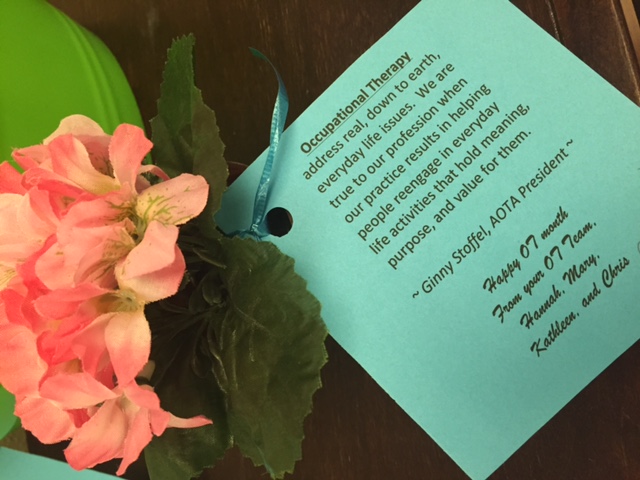
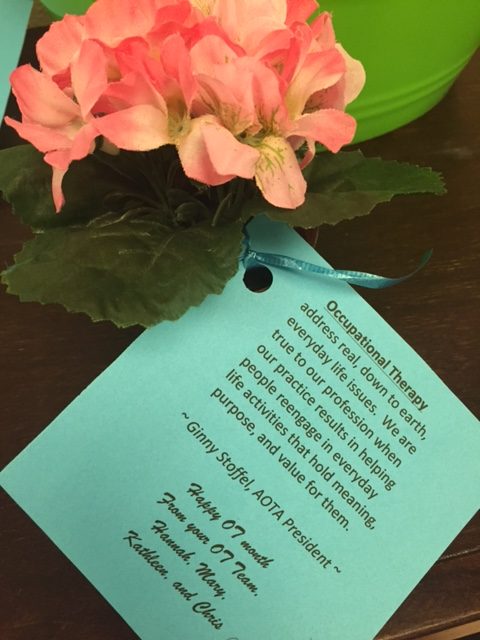
Littleton Rehab’s OT team once again promoted OT Month in their facility to educate residents, staff and families. They not only hung a large informational and colorful board in the hallway, but each of the Littleton staff was given a small gift with a message about occupational therapy. The message was written by AOTA president Ginny Stoffel: “Occupational therapy addresses real, down to earth, everyday life issues. We are true to our profession when our practice results in helping people reengage in everyday life activities that hold meaning, purpose and value for them.”

What is Occupational Therapy? Spread the word!OT Month 1

Occupational therapy is the only profession that helps people across the lifespan to do the things they want and need to do through the therapeutic use of daily activities (occupations). Occupational therapy practitioners enable people of all ages to live life to its fullest by helping them promote health, and prevent-or live better with-injury, illness, or disability. Common occupational therapy interventions include helping children with disabilities to participate fully in school and social situations, helping people recovering from injury to regain skills, and providing supports for older adults experiencing physical and cognitive changes. Occupational therapy services typically include an individualized evaluation, during which the client/family and occupational therapist determine the person’s goals, customized intervention to improve the person’s ability to perform daily activities and reach the goals, and an outcomes evaluation to ensure that the goals are being met and/or make changes to the intervention plan. Occupational therapy practitioners have a holistic perspective, in which the focus is on adapting the environment and/or task to fit the person, and the person is an integral part of the therapy team. It is an evidence-based practice deeply rooted in science. Learn more at:http://www.aota.org/Conference-Events/OTMonth/what-is-OT.aspx#sthash.of9qsny6.dpuf

Working With Cognitively Impaired Patients

Memory loss and brain aging due to dementia and alzheimer's disease as a medical icon of a group of color changing autumn fall trees shaped as a human head losing leaves as intelligence function on a white background.

Cognitively impaired patients are described as those whose skills and abilities they had before their accident or medical problem are now either absent or have some defect that compromises their ability to function. Cognitive impairments can be caused by head trauma, neurological conditions, Dementia, anoxia, encephalopathy, etc.

Diagnostic Coding

When selecting the medical and treatment codes for this population, select the codes that best describe the change in medical condition that warrants intervention from each discipline. Avoid using the admitting diagnosis if it does not support intervention for cognitive impairments (i.e. using a hip fracture diagnosis would not be appropriate for SLP intervention).

Evaluation Considerations

Both OT and SLP scope of practice allows for assessment of cognitive/ cognitive-linguistic impairments. It is important for each discipline to differentiate how the assessment and scores will tie into their specific discipline for intervention. It is also important to use standardized assessments to further support the need for skilled intervention especially in clinical cases where the change is cognitive function is noted after a medical procedure or surgery that is not of neurological nature. Remember: Describing how the medical history impacts current functional status helps determine the circumstances that led to the need for skilled intervention.

OT Cognitive Assessments include interviewing the client / caregivers, cognitive screening, performance based assessments, environmental assessments, and specific cognitive measures, which taken together identify and describe:

  • The impact of cognitive deficits on everyday activities, social interactions, and routines. OTs assess the cognitive demands of functional activities, and design intervention plans that enhance performance through remediation or adaptation.
  • The relationship between cognitive processes and performance of daily life occupations, roles and contextual factors
  • Information processing functions carried out by the brain that include: attention, memory, executive functions, comprehension and formation of speech, calculation ability, visual perception, and praxis skills

SLP Cognitive-Linguistic Assessments are conducted to identify and describe:

  • Underlying strengths and weaknesses related to cognition, language, and social/behavioral factors (see Signs and Symptoms) that affect communication performance
  • Effects of cognitive-communication impairments on the individual’s activities and participation in ideal settings, everyday contexts, and employment settings;
  • Contextual factors that serve as barriers to or facilitators of successful communication and participation for individuals with cognitive-communication impairment;
  • The impact on quality of life for the individual and the impact on his or her family/caregivers
  • Review and include relevant case history, including medical status, education, occupation, and socioeconomic, cultural, and linguistic background
  • Assessment identifies the specific deficits along with preserved abilities and areas of relative strength in order to maximize functional independence and safety, and to address the deficits that diminish the efficiency and effectiveness of communication.

Physical Therapy will need to assess how cognitive functioning impacts their ability to participate in skilled services and what modifications / adaptations will be required for maximum progress.

Establishing Goals

Goals need to tie back to the deficits noted on evaluation and PLOF. Goals may be focused on improving safety during functional tasks and structuring care to allow the patient to perform at their best functional ability consistently during activities.

Skilled Intervention Considerations

For this patient population interventions need to be tailored to the unique needs of the individual (avoid too many electronic documentation “builds”). If the patient is instructed in tasks, include documentation that cognitive ability to learn is present. Ensure skilled interventions provided tie back to the goals identified at evaluation. The skills and techniques that can be taught to this population will not only improve the quality of their functional abilities but also improve their quality of life.

Skilled Documentation Considerations

Use terminology that reflects the clinician’s technical knowledge. Be sure to indicate the rationale (how the service relates to functional goal), type, and complexity of activity. Report objective data showing progress toward goal including: accuracy of task performance, speed of response/response latency, frequency/number of responses or occurrences, number/type of cues, and level of independence in task completion, physiological variations in the activity.

Specify feedback provided to patient/caregiver about performance (i.e. trained spouse to present two-step instructions in the home and to provide feedback to this clinician on patient’s performance). Explain the clinical decision making that resulted in modifications to treatment activities or the POC. Explain how modifications resulted in a functional change and evaluate patient’s/caregiver’s response to training.

Progress Reports

Be sure to capture patient progress and/or need for continued skilled intervention at each progress reporting period. This can be done by breaking down goals and reporting accuracy of task performance, speed of response/response latency, frequency/number of responses or occurrences, number/type of cues, level of independence in task completion, and physiological variations in the activity.

If no progress is noted, then explain why progress is expected to occur with continued treatment by listing any barriers to progress: Co morbidities, medical complexities, cognition helps justify continued services and/or explaining the “flat lines” when the goal status is the same progress report to progress report. This may also be an indication to modify the goals to better capture the patients’ functional status.

Justification Statement

This justification statement is the opportunity to further describe the need for continuation of skilled intervention. Simply stating “continue per plan” does not meet this criteria. Justification statements need to address: what skills were demonstrated/ achieved during the progress note reporting period; what deficits remain; and what is the clinician going to do about it. Strong justification statements at progress reporting periods are critical to supporting skilled intervention.

At Discharge

The discharge summary is the last documentation opportunity to support the skilled services provided. Use this opportunity to recap the patient’s status from evaluation to discharge. Summarize any programs established (i.e. functional maintenance); caregiver training; and patient’s current functioning status. Also consider providing a description of any complicating factors that impacted progress; emphasizing the skilled services and the treatment methods provided; and concluding with a brief statement of how skilled intervention has improved the patient’s function and/or quality of life.

In Summary

The need for skilled intervention must make sense; support medical necessity and tie back to the goals. It is important to ask what could happen if skilled rehabilitation services were not initiated, such as safety risks and possible further decline.

Medicare will only pay if it is clear that a therapist must provide the care that allows the patient to make progress. If the treatment seems routine or repetitive, Medicare will assume restorative could provide the treatment or the patient could spontaneously recover on their own.

By Tamala Sammons, Therapy Resource

Steps to Assessing Pain in Patients With Dementia

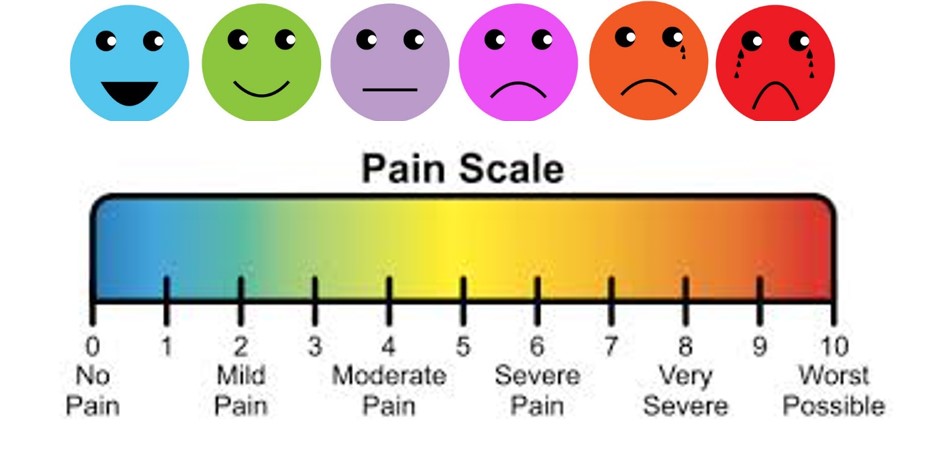
Pain scale-useAs part of the Abilities Care Approach to Dementia, the SLPs in Northern Pioneers are working to create a specialty program to better assess pain in people with dementia. The Northern Pioneers’ facilities are triggering high in the Quality Measures of pain management for long- and short-stay residents. Recently, the cluster SLPs held a skills workshop on the use of a standardized test to support this work: the FLCI, or Functional Linguistic Communication Inventory. Park View Post Acute’s Director of Rehabilitation, Jennifer Raymond, is leading this pilot program.

Overview of the Communication of Pain (COP) Assessment

The SLP program is designed as an adjunct to Abilities Care for residents with cognitive and/or communication deficits who cannot utilize the “Tell me your level of pain on a 1-10 scale” system. Referrals occur through pain committee, behavior and psychotropic committee, Abilities Care programming and Quality Measures. The program uses FLCI standardized testing to establish a patient’s communicative ability and strengths. The therapist works with the resident to establish the most effective pain scale tool that utilizes remaining abilities: reading words; ability to point; auditory comprehension at the word, phrase or sentence level; visual scanning/tracking; and verbalization. A variety of scales are available, organized in a “toolkit” and sent out by Therapy Resource Tamala Sammons. Once a successful method/scale is identified, training is completed with the charge nurse and CNAs. Nursing Care plans an individualized pain communication system, which is then used by all staff with that resident.

Research shows that negative and difficult behaviors in persons with dementia are often expressions of unmet needs that they are unable to communicate. Pain is a primary trigger for negative behavior. The pilot program is a great way for therapy to support the facility in reaching its quality-of-care goals for all residents.

By Jennifer Raymond, DOR, Park View Post Acute Care, Santa Rosa, CA

Use of Meaningful Activities to Redirect Negative Behaviors

What if there were something besides a medication that could assist with redirecting negative behaviors? What else can we offer, after looking at basic needs — cold, hungry, in pain, needing to use the bathroom — when behaviors persist? What if we could tap into a resident’s past and provide meanConceptual image about losing your mind or thoughts.ingful activities to engage the resident and redirect their behaviors?
For Ron, that is exactly what he needed. At first glance, many said Ron was not able to attend to any task. He wandered around throughout the day, pacing the halls and knocking on the tables — a behavior the other residents and staff found annoying as he invaded personal space, knocking on the tables regardless of what was going on. Staff might be able to redirect him momentarily, but within seconds, he was back knocking away.

When we first picked up Ron for OT, there was skepticism — he won’t be able to do anything, he can’t pay attention, he doesn’t even talk. As an OT, I knew that all was not hopeless. I knew there was a way to tap into his past and engage him in meaningful activities. With a little research to find out his past interests, hobbies and jobs, and an assessment of his current cognitive level, we were able to identify activities he enjoyed and tailor them to his current cognitive level. Before we knew it, Ron was smiling and attending to tasks for over 15 minutes at a time. Who knew he could write and answer questions on paper, read a book, sit and do math worksheets or play a game of cards?

With a little staff education and a few supplies, when Ron starts knocking on the table while another resident is eating, he can be easily redirected to a meaningful activity he enjoys and can engage in — ultimately, improving his quality of life and that of those around him.

By Jeanelle Kintner, OT/R, San Marcos Rehabilitation and Healthcare, San Marcos, TX

Understanding Patients as Persons Using the Abilities Care Approach

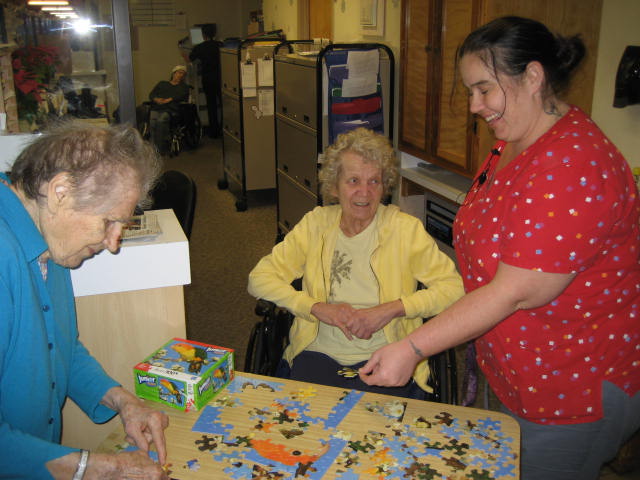
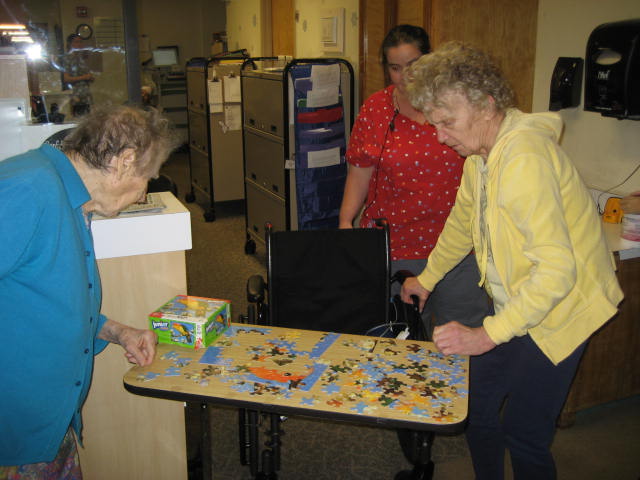
Northbrook 2Helen is a long-term care resident at Northbrook Healthcare Center. Initially when she was admitted, staff was having difficulty caring for Helen because of her cognition, and she was sometimes combative and anxious. When we started implementing the Abilities Care Approach to Dementia, she was one of the initial six residents enrolled in the program. Occupational Therapy identified her Allen Cognitive Level, and with the support of Social Services, we obtained her Life History Profile during an interview with Helen’s daughter, enabling us to better understand her habits, preferences and long-term memories.

By integrating what we knew from her Allen Cognitive Level and the individualized information we obtained from her life profile, we were able to train staff on how to communicate and support Helen to avoid her becoming agitated during care. Puzzles and flower arrangements were identified during the family interview as areas of past interest and skill. The therapist also identified that due to her cognitive challenges and her personality profile, large group settings were difficult for Helen, and that she had a higher quality of engagement in activities if she was by herself.

One day, Helen’s behavior had escalated, and staff wondered what happened. We thought she might be experiencing a change of condition. Upon further observation, we identified that Helen had a change in her routine related to her roommate discharging from the facility. Helen was finding it difficult to cope with this change. Having identified the situation, staff was able to use information from the Life History Profile to calm Helen and help her feel safe, preventing a potential episode of further agitation.

This situation illustrates how important it is that we not only identify the physical and cognitive functioning of our patients, but also understand them as people — what makes them happy and what makes them sad. Understanding the emotional and social component during our interventions can help us effectively approach an individual, thereby helping us to be effective clinicians. We deal with different emotions every day, whether it is happiness due to a goal being met, or sadness due to temporary loss of function or pain. These emotions are expressed by our patients, ourselves and our coworkers. Being equipped with the understanding of not only our patients’ needs, but also our own needs makes us better clinicians and much better people.

Included with this article are pictures of Helen (wearing the yellow jacket) completing her puzzles at the nurse’s station during her period of agitation. Staff was able to decrease the agitation by providing meaningful activities (adapted to meet her Best Ability to Function) that reminded Helen of the person she has always been. By engaging in a familiar task at which she could be successful, Helen gained the confidence to socialize and even got some other residents and staff to help her with the puzzles.

By JB Chua, DOR, Northbrook Healthcare Center, Willits, CA

Modified Cooking Group

The purpose of a modified cooking group is to facilitate participation in a meaningful occupation for individuals with disabilities.

Family preparing lunch together at home

Population

  • Individuals with cognitive or physical disabilities and diagnoses such as fractures, ORIF, TKR, THR, laminectomy, CVA, Parkinson’s disease, Alzheimer’s disease and dementia
  • A modified cooking group is more appropriate for individuals who want to return to living independently

Relevance to Therapy

  • Occupational therapists specialize in assessing for deficits in occupational performance and facilitating participation in occupations through restoration, compensation or adaptation.
  • Cooking and meal preparation is categorized under Instrumental Activities of Daily Living.
  • Cooking or meal preparation is a prerequisite for living independently with no assistance from family members, friends or caregivers.

Standardized tests can be used to evaluate cooking performance and skills related to cooking:

  • Rabideau Kitchen Evaluation – Revised
  • Kitchen Task Assessment
  • Executive Function Performance Test
  • Performance metrics include: strength, endurance, ambulation distance, gait quality, transfers, static and dynamic sitting and standing balance, gross and fine motor coordination, safety awareness, memory, sequencing skills, problem solving skills, etc.

A modified cooking program will enable therapists to:

  • Assess the patient’s ability to participate in cooking
  • Educate and train the patient in necessary skills to improve performance
  • Modify the environment or task and/or train the patient in utilizing adaptive equipment/devices to facilitate successful participation in cooking
  • Design and implement therapy exercises/activities to target specific skills required to participate in cooking
  • Recommend programs or assistance as part of discharge planning

Methods

Occupational therapists will train and educate clients in:

  • Writing down steps and checklists
  • Using energy conservation strategies
  • Using compensatory techniques
  • Delegating tasks to assistants
  • Modifying the environment for ease of access to necessary tools, supplies and working space
  • Using adaptive equipment/devices such as built-up eating and cooking utensils, long handled equipment, pan handle holder, tray mounted on a wheelchair, four wheel walker or front wheel walker, and kitchen trolley
  • Using technological devices such as analog or digital timers with sound or visual reminders, electronic can openers, digital thermometer with sound indication, cooking equipment with presets that automatically adjust for speed, time and temperature

By Ann Marie Hulse, DOR, Lemon Grove Care and Rehabilitation Center, Lemon Grove, CA