Sensory Integration Coding

By Brian del Poso, OTR/L, CHC, RAC-CT and Tamala Sammons, MA, CCC-SLP, Therapy Resources
Sensory Integration (SI) Therapy was originally invented by OT, Jean Ayres, in the 1970s to help children with sensory processing problems. Although less prevalent, SI techniques and theory used to modulate the sensory and proprioceptive systems can also be used with the adult population.

We’ve had a few questions recently around the appropriate use of the 97533 Sensory Integration CPT code. In general, this is an allowable code and covered by our MACs. However, since we know SI is predominantly used with the pediatric population, if utilizing this code as part of therapy intervention with the adult population, it is important that we use evidence-based practice, research, and have clear supportive documentation to demonstrate that sensory processing/modulation is a cause of functional deficits and that the interventions being billed truly fall within SI intervention strategies.

Here is the Sensory Integration 97533 code descriptor:
This activity focuses on sensory integrative techniques to enhance sensory processing and to promote adaptive responses to environmental demands, with direct one-on-one contact by the qualified professional, each 15 minutes.
From AOTA:
“Occupational performance difficulties due to sensory modulation challenges or poor integration of sensation can result from difficulties in how the nervous system receives, organizes, and uses sensory information from the body and the physical environment for self-regulation, motor planning, and skill development. These problems impact self-concept, emotional regulation, attention, problem solving, behavior control, skill performance, and the capacity to develop and maintain interpersonal relationships. In adults, they may negatively impact the ability to parent, work, or engage in home management, social, and leisure activities.”
From the AOTA article: Sensory Integration Use with Elders with Advanced Dementia
“Research of current approaches in treating older adults with dementia to decrease negative symptoms and increase quality of life, revealed the trend of using a multi-sensory protocol designed for this population (Chitsey, Haight, & Jones, 2002; Knight, Adkison, & Kovach, 2010; Kverno et al., 2009; Lape, 2009; Letts et al., 2011; Padilla, 2011). Kverno et al. (2009) noted in their literature review of non-pharmacological treatment of individuals with dementia that “individuals with advanced levels of dementia benefited to a greater extent from nonverbal patterned multisensory stimulation” (p. 840). Multisensory stimulation incorporates the use of tactile, visual, auditory, olfactory, and gustatory sensory pathways, along with movement, to help the individual interpret his or her environment (Lape, 2009).”
The occupational therapy evaluation and treatment plan is designed to “structure, modify, or adapt the environment and to enhance and support performance” (American Occupational Therapy Association, 2015, p. 6913410050p1), in order to re-engage patients.

Adding sensory integration as a treatment approach starts with assessing any comfort or discomfort when a patient is participating in: ADLs (grooming, dressing, bathing, etc.); Meals; Upper extremity movement; Functional transfers; Seating and positioning.
Goals can be developed around any identified areas of discomfort by creating situations to increase episodes of comfort with those tasks.

What do the MACs say? Here is the language from the Novitas as an example:
Sensory Integration 97533
This activity focuses on sensory integrative techniques to enhance sensory processing and to promote adaptive responses to environmental demands, with direct one-on-one contact by the qualified professional, each 15 minutes.

The patient must have the capacity to learn from instructions. Utilization of sensory integrative techniques should be infrequent for Medicare patients.

For more resources, documents, and tools to help provide information to you and your staff, please see the Sensory Integration section under Therapy > Clinical Programming on the Portal.
Local Community Children Spreading the Love

By John Patrick Diaz, DPT, DOR, Magnolia Post Acute Care, El Cajon, CA
We all know that the mental health of our residents has been directly (through a specific medical condition) or indirectly (via communal isolation or psychological stresses) affected by this pandemic. Any type of interaction, whether it be through Facetime, window visits, regular phone calls, or even texting our loved ones, makes a huge difference in getting them through their day.

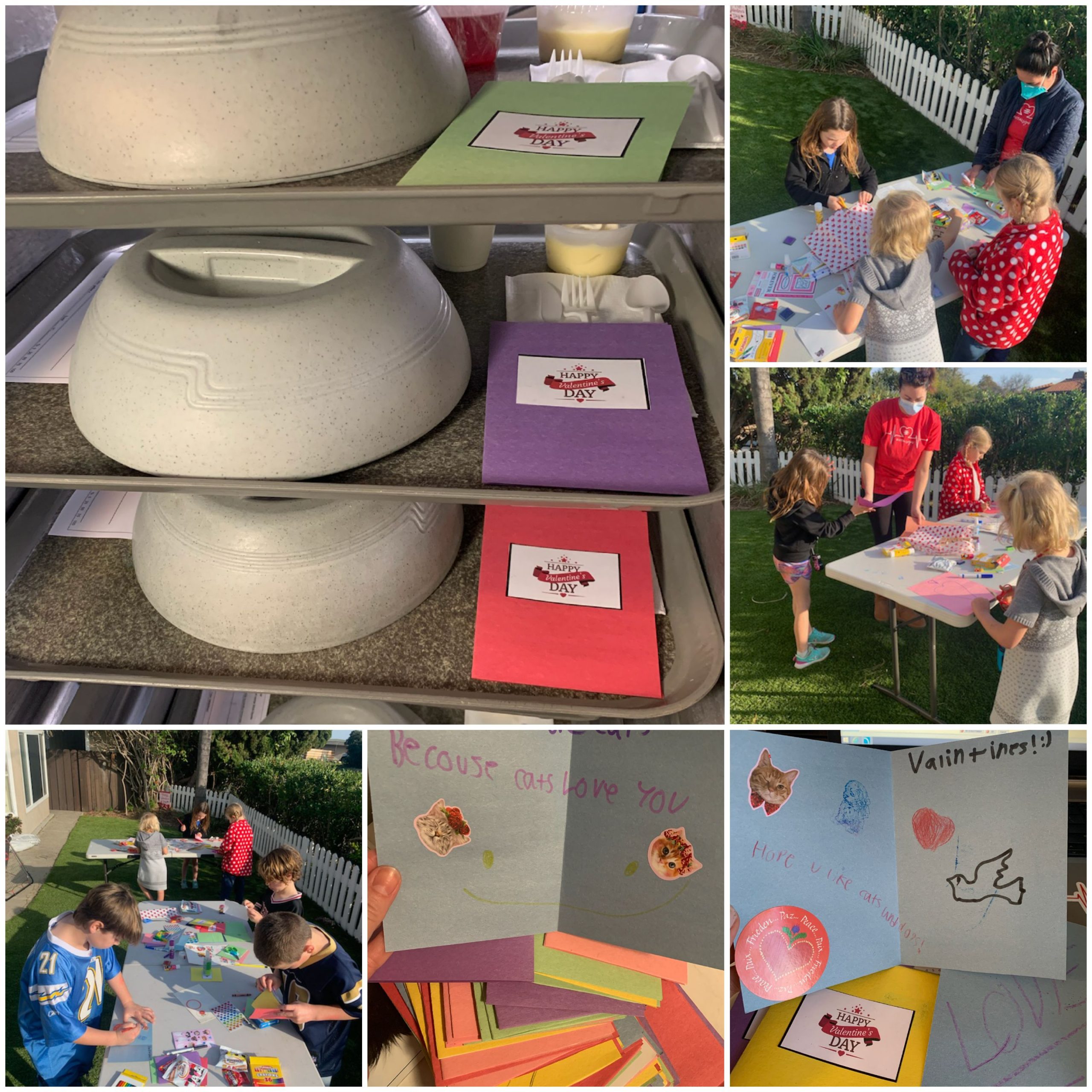
As part of Celebration and Loving One Another, Caitlin Dablow, SLP, and Jacalyn Leigh, COTA, guided a group of local community kids in creating Valentine’s Day cards for our residents at Magnolia Post Acute. The parents of the kids were so supportive in getting them together and designing simple but meaningful cards.

The cards were distributed to each resident with the assistance of our kitchen staff during their lunch meal. As each resident read their card, it was such a great sight to see that everyone had a smile on their faces while others became teary-eyed. Everyone appreciated the gesture knowing that the community cares. We may not be able to celebrate together as a group, but we for sure have felt the love and positive vibes within the facility.

The Importance of SLP Intervention for Respiratory Function

Why is respiratory function so important for SLP involvement?
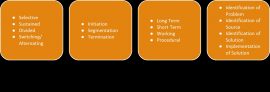
● Successful phonation is dependent upon effective respiration.
● Uncoordinated breathing patterns or open vocal folds increase risk for aspiration. Compromised breath support limits cough strength and effectiveness to remove any substances that pass the vocal folds.
Low oxygen levels can affect:
● The heart due to the need for it to pump harder
● The brain, resulting in mood changes, reasoning and memory deficits (i.e. decreased cognitive function; increased safety risk)
● Physical abilities due to decreased sensory or motor planning (i.e., increased risk for falls)

The focus of SLP respiratory intervention is to improve the patient’s quality of breathing patterns for improved communication, swallow, and patient performance during ADLs or other physical activities. The goal of Respiratory Muscle Strength Training (RMST) is to increase the “force-generating capacity” of the muscles of inspiration and expiration; RMST can be used to target inspiratory or expiratory muscles, depending on patient needs (Sapienza, Troche, Pitts, Davenport, 2011).

Always measure the patient’s oxygen level and respiratory rate pre-, during and post-therapy activities. If oxygen falls below 90%, cue for deep nasal inhalation and/or other breathing techniques such as pursed lip breathing until levels resume. If levels are unable to resume, notify Nursing immediately. Additionally, assess and document the patient’s demeanor/anxiety levels during intervention.

Respiratory treatment interventions need to address:
● Proper breath control/breathing patterns
● Pursed lip/diaphragmatic breathing
● Sustained phonation
● Phrase production
● Respiration with swallow when issues are identified
● Airway protection

Create a Breath Support Tool Kit
● Straws, whistles, cotton balls, pinwheels, party horns, bubbles, etc.
● Professional tools, i.e., The Breathertm; EMST 150/75

Resistive Device Training Videos:

The Breather
https://www.pnmedical.com/lessons/in-service-video/

EMST 1500
https://emst150.com/how-to-train/

Sustained Airflow/Phrasing
● Have patient draw circles or other items while sustaining “ah”
● Blow bubbles at a target, blow cotton balls across a table/into a cup, blow pinwheels, whistles, etc. Add a straw for resistance.
● Utilize pre-made phrases already established in the number of syllables needed.
● Dual task: have patient read phrases while on exercise bike

Refer to SLP Respiratory Rehab POSTette for additional information


CPT Coding Tips - Wound Care CPT Codes 97597 and 97598

Wound debridement codes are intended for acute wounds that are debrided of devitalized tissue. Debridement is measured in total depth and surface area, going from skin level down to the bone.

● 97597 Debridement (e.g., high pressure waterjet with/without suction, sharp selective debridement with scissors, scalpel and forceps), open wound (e.g., fibrin, devitalized epidermis and/or dermis, exudate, debris, biofilm), including topical application(s), wound assessment, use of a whirlpool, when performed and instruction(s) for ongoing care, per session, total wound(s) surface area; first 20 sq cm or less.

● 97598 Debridement each additional 20 sq cm, or part thereof (list separately in addition to code for primary procedure). Use 97598 in conjunction with 97597. Note: Log 97598 for each occasion of 20 sq cm after the initial 20 sq cm.

Example: If the treatment area is 60 sq cm
Log codes as follows:
97597 x 1
97598 x 2

Please see WoundCare POSTette for additional information and clinical examples when using the Wound Debridement CPT codes.

CPT Coding Tips - 96125 (Standardized Cognitive Performance Testing, Per Hour)

Log this code when:

  1. The combined time it takes to conduct the evaluation, interpret the results, and write the evaluation report* is at least 31 minutes to report the first hour, 91 minutes to report the second hour, and so on.
  2. The test is completed using a standardized assessment, independently or in conjunction with subjective observations and findings.

*Note: Clinicians may count interpretation and documentation time toward the minimum minutes only when billing for 96125, and only for Medicare Part B patients. Medicare Part A minutes still follow RAI manual guidelines of direct face-to-face time, which is followed regardless of code definition. Additionally, when administered as the initial evaluation, this code is non-MDS for Part A payers.

Completing standardized assessments supports evidence-based practice and helps to clearly identify where to target intervention for the best results. While tools like the SLUMs offer insight as to where a deficit may be occurring, they only allow a general categorization of cognitive impairment: normal, mild, or severe/dementia.

Utilizing formal standardized assessments for cognition will help determine which component of the cognitive impairments need intervention. With so many components of cognition, it’s best to assess as many areas as possible. Cognition is the greatest predictor of function. The more areas assessed, the stronger the plan of care and better patient outcomes.

Please refer to the Cognitive Performance Assessment POSTette for additional information.

Carly Peevers — Passionate About Think Thin

Submitted by Dominic DeLaquil, Therapy Resource, ID/NV

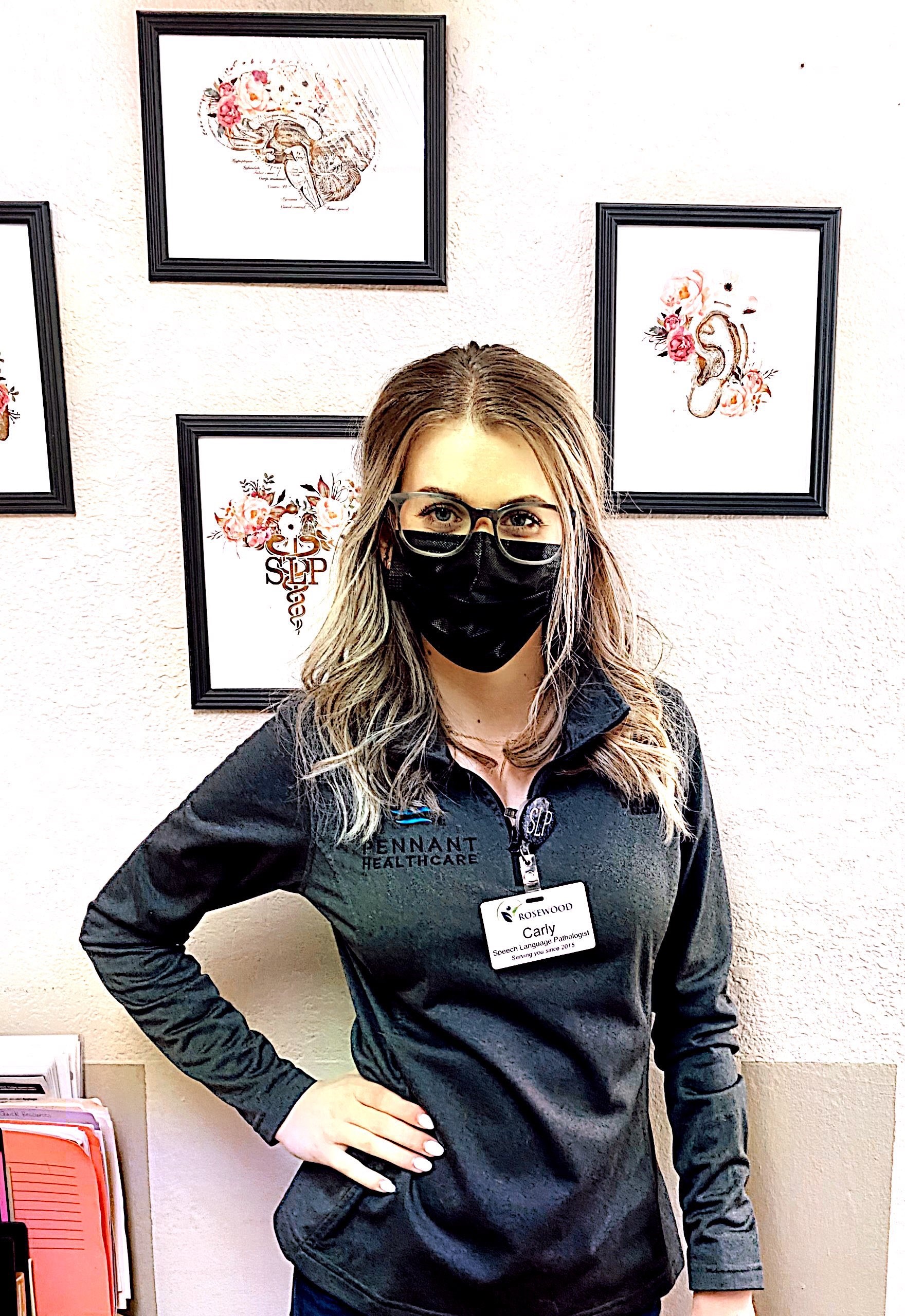
Carly Peevers is an SLP out of Rosewood Rehabilitation in Reno, Nevada. Carly is passionate about giving great clinical care and has recently taken on an educational role within the Pennant, Idaho/Nevada, market.
Carly has been an employee at Rosewood since 2015. In her first year at Rosewood, she worked collaboratively with the kitchen team to revamp the menus so that the diet recommendations match with the diets provided by the food services company. Since then, she has worked hard to train new and existing kitchen staff on diet restrictions and make sure they are comfortable with the administration of current diet orders. She has also worked with CNA and nursing staff to communicate actively when diets change to ensure the entire team is collaborating with regard to patient care.

Carly, along with the entire speech team at Rosewood, believes passionately in upgrading patients to thin liquids as quickly and safely as possible. Carly leads this initiative by educating staff on current lists of patients on thickened liquids and directing care in such a way that they are upgraded as quickly as possible. At any given moment, Rosewood never has more than a few patients on thickened liquids. She also recently trained the SLPs in her cluster on the value of reducing thickened liquids.

When the International Dysphagia Diets Standardization Initiative (IDDSI) was released in May 2019, Carly championed the transition by talking with the kitchen managers and Registered Dieticians and educating nursing staff on the levels to prepare us for the change. She attended trainings with speech therapists from all over the city to create a collaboration through the SLP network of acute, Rehab, SNF and Home Health SLPs.

Carly is truly a dedicated therapist, and Rosewood is so proud of all of her hard work!


Thinking Outside the Box: Modified Diets That Are Tasty and Appealing!

Submitted by Shelby Donahoo, Therapy Resource, Tucson, AZ
When Sara Mohr, CFY at Sabino Canyon in Tucson, Arizona, was a SLP graduate student at the University of Arizona, the reality for those on modified diets became clear. Often a diagnosis of dysphagia brings confusion and worry. Getting modified diets right seems obvious, but actually can be quite hard. Options seemed few: mashed potatoes, blended meat and yogurt. She found few resources out there for patients in terms of appealing and tasty recipes with easy instructions for cooking and modifying.
She and her colleague, Louisa Williams, had an idea. What if they created a food blog to improve accessibility to quality information on modified diets?

So they established realmealsmodified.com and began creating recipes and posting foods that meet texture requirements of the International Dysphagia Diet Standardization Initiative (IDDSI) while looking appetizing and tasting flavorful!

Sara says her goal with modified diet recipes is that “it should be good enough to bring to a potluck, share with the group, and not be embarrassed.” They do the cooking, test the recipes in various consistencies, and essentially take the guesswork out of modified diets.
If a recipe doesn’t work well modified, they don’t post it. Last year, Sara was working on a potato salad recipe using cauliflower (potatoes would just end up mashed) but reported it was “too soupy, too vinegary.” She’s recently perfected it and it will post the recipe soon.
Recipes include items such as Chicken Pot Pie Puree, Sopa Azteca, Chocolate Chip Banana Bread, Minced Pancakes and Salmon! Portions can be made for individuals or the whole family.

Sara and Louisa are planning a “puree road trip” this summer, with the goal of finding options for those on modified diets to eat when traveling.

What a great resource for our SLPs to share with clients and families!

Importance of Therapy Intervention for Patients Post-COVID

By Tamala Sammons, MA, CCC/SLP, Therapy Resource
COVID-19 is a respiratory viral disease with multi-organ involvement resulting in potentially temporary and episodic health challenges such as impaired lung function, physical deconditioning, cognitive impairments, impaired swallow and communication, and mental health disorders.

The effect of the virus on the respiratory system appears to range from a simple respiratory tract infection to acute respiratory distress syndrome (ARDS) with multi-organ failure.
People with COVID-19 may also develop coagulopathy that can lead to venous thromboembolism (VTE) and microvascular thrombosis throughout the body, increasing the risk of negative mental health outcomes (https://academic.oup.com/ptj/article/100/12/2127/5903663).

Older adults respond to their own stress and that experienced by staff, which can increase the risk of behavioral problems. Isolation and lack of stimulation may also lead to loneliness and depression. Each of these negative psychological outcomes has a significant impact on an individual’s immune system and the ability to fight infection.

An increasing number of patients recovering from COVID-19 are having lingering cognitive symptoms, including confusion and impaired executive functions, short-term memory issues, and learning difficulties. For those who had compromised cognitive-communication status before COVID-19, we need to be ready for ongoing exacerbation of symptoms.

New survey standards: Surveyors are advised to investigate any concerns as part of the focused infection control survey related to residents who have had a significant decline in condition. Emphasis is on decline with the resident’s condition, both physical and/or psychosocial.
Therapy Interventions must address the clinical changes in our patients from this pandemic.

Occupational Therapy Intervention/Strategies
● Measure the effects of cardiac function and respiration, including any increased oxygen and/or oxygen weaning with ADLs (respiratory rehab ADLs; OT COPD treatment protocol)
● Assess functional mobility — high fall risk
● Provide energy conservation and work simplification interventions
● Consider cognition, cognitive rehabilitation and occupational performance; and address cognitive impairments
● Address psychosocial (OT psychosocial interventions), mental health (AOTA OT’s role with mental health recovery), stress (HRV training), and coping-related PTSD or anxiety disorder post-COVID-19
● Community reintegration

Physical Therapy Intervention/Strategies
● Measure the effects of cardiac function and respiration, including any increased oxygen and/or oxygen weaning with physical performance (respiratory rehab physical exercise; PT COPD treatment protocol)
● Provide strength and mobility interventions — exercise prescription, fall risk, take longer to regain strength
o Note: For exercise prescription, go back to pulmonary rehab principles and exercise prescription for older adults and modify based on symptoms, vital signs and RPE
o Aerobic exercise, strength training, flexibility intervention
o It is critical that physical therapists are aware of the clinical implications of coagulopathy and the prevalence of venous thromboembolism (VTE) in patients diagnosed with and recovering from COVID-19 through the promotion of early mobility and physical activity
● Provide pain assessments and intervention
● Community reintegration as indicated
● Need for outpatient services

Speech-Language Pathology Intervention/Strategies
● Measure the effects of cardiac function and respiration, including any increased oxygen and/or oxygen weaning with communication and swallow (respiratory rehab breathing interventions and using resistive devices; SLP COPD treatment protocol)
● Assess effective communication as it relates to respiratory function
● Assess cognition (great opportunity to use comprehensive cognitive assessments), provide cognitive rehabilitation to address cognitive impairments
o Note: Studies are emerging that suggest some type of association between neurological symptoms and COVID-19. Symptoms like headache, stiff neck, and loss of taste and smell raise suspicion of central nervous system involvement.
● Assess swallow; airway protection and cough strength. Integrate resistive breathing devices for intervention.
● Assess for continued loss of taste and smell and how that impacts hydration and nutrition.
● Need for outpatient services.

A Trio of Wellness: Oral Health, Overall Health and Quality of Life

By Razan Malkawi, M.S., CF-SLP, Rose Villa Healthcare Center, Bellflower, CA
Research indicates a clear link between oral hygiene and the overall health of patients. Poor oral hygiene can contribute to new arising medical conditions, and it may worsen the existing disease and interfere with the outcomes of treatment. Continuous education and awareness in oral hygiene are essential in our facility. We hold weekly, if not daily, in-services to discuss preventative measures collaboratively. Members of the interdisciplinary team, including but not limited to the speech therapist, occupational and physical therapists, CNAs, nurses, and the administrators, are all involved in providing evidence-based resources to assure a high quality of life for our patients here at Rose Villa Healthcare Center.

Causes of poor oral hygiene may be related to genetic, developmental and environmental factors. Most of our patients receive medications that may have side effects. For example, Xerostomia (i.e., extremely dry mouth) is a common problem that contributes to poor oral hygiene; causes include drugs, smoking, radiation therapy, diabetes Mellitus, etc. (Kapoor et al., 2014). Our role is to assist with and provide instructions and education regarding the different mouth care approaches for our patients. Mouth cleaning and care, including brushing teeth, mouth wash, and the use of sponge sticks, are all vital behaviors to prevent the existing disease’s escalation and the emergence of new ones. A speech therapist often works with patients who suffer from swallowing problems (i.e., dysphagia), as swallowing dysfunction may cause the entry of food or drink particles into the airways, and bacteria from the mouth may reach the patient’s lungs and cause aspiration pneumonia (Shun-Te HUANG, 2020). Safe swallowing strategies like posture adjustment, proper oral care, and motor-exercises contribute to treating dysphagia and reduce the prevalence of aspiration pneumonia (Shun-Te HUANG, 2020).

In a recent in-service, we discussed the necessity of providing oral care to NPO patients as a preventative measure. Education in this area is essential; one may think that if patients do not eat or drink, mouth cleaning is not a priority! Well, this is not true; NPO patients are at risk for infections, aspiration pneumonia, Xerostomia, and dehydration if oral care is neglected (Liddle, 2014). The state of NPO, along with the presence of dysphagia, may cause aspiration or pulmonary pneumonia if appropriate oral hygiene regimens are not in place. The patient may still aspirate on his/her own saliva; commonly, such incidences occur at nighttime when HOB (i.e., head of bed) is minimally elevated. As healthcare providers, let us all take the initiative to provide our patients with the highest quality of life by spreading awareness.

Refer to our SLP Dehydration Risk Free Water Protocol, for additional information including an Oral Health Assessment Tool (OHAT) for non-dental professionals.

Temple View Transitional Care Improves their Self-Care GG Scores

By Cory Robertson, Therapy Resource, Idaho

Temple View Transitional Care Center in Rexburg, Idaho, Therapy led by Susie Swetter, DPT, DOR, joined the organization in the fall of 2019 during the transition from PPS to PDPM. One area in particular they have been focused on is improving their Self-Care GG scores. The challenge to improve was brought to the team, and their new OT, Neil Marion, stepped up to own it.

The team met to review their GG scores and their coding process. Neil looked at the metrics and said, “I want Temple View to lead the market in the self-care increase score.” At the time, Temple View was behind several other buildings in the Market in self-care. However, within several weeks of continued improvement in self-care scores, Temple View grabbed the top spot in percentage improvement in self-care scores for the ID/NV market.

When asked how Neil did it, his response to getting the top spot was amazing:

“Thanks for all the congratulations! I appreciate that, and when Susie asked me to respond about what I did to increase self-care scores, I simply said, ‘I’m just doing my job as an OT. Don’t hide your skills as an OT or COTA; we can offer so much to the people we care for, from the core self-care tasks with adaptations or full restoration of their skills, positioning in bed or w/c, home assessments, splinting/orthotics, neuro-rehab, cognitive rehab as it relates to ADLs, IADLs, fine/gross motor training, power w/c assessment, and strengthening of the specific muscles to increase independence and so much more! Don’t lose who you are as an OT; that identity is important … what makes us different than PT or ST? My answer: so, so much, and it’s our job to proudly proclaim who we are and show our facilities what we can do.”

Thank you, Team Temple View and Neil, for your ownership of this important measure and ensuring your patients get the very best care!